
Complete Agra Travel Guide for First-Time Visitors


Introduction to Agra
Welcome to this complete Agra travel guide that covers everything you need to know before visiting the historic city of Agra. From the iconic Taj Mahal to Mughal architecture, local markets, delicious food, and travel tips, this Agra travel guide will help you plan the perfect trip.
Located on the banks of the Yamuna River in the state of Uttar Pradesh, Agra is one of India’s most famous historical cities. The city is globally recognized for being home to the magnificent Taj Mahal, a UNESCO World Heritage Site and one of the Seven Wonders of the World.
Agra was once the capital of the Mughal Empire and continues to showcase the grandeur of Mughal architecture, culture, and heritage. From majestic forts and royal palaces to bustling markets and delicious Mughlai cuisine, Agra attracts millions of tourists every year.
Key Facts About Agra
1. Agra is Home to the Taj Mahal
- The Taj Mahal was built by Mughal Emperor Shah Jahan in memory of his wife Mumtaz Mahal.
- Constructed using white marble, it is considered a symbol of eternal love.
- Best visited during sunrise and sunset for breathtaking views.
2. Agra Was the Mughal Capital
- Agra served as the capital of the Mughal Empire during the 16th and 17th centuries.
- Several Mughal emperors, including Akbar and Jahangir, ruled from here.
- The city flourished as a center for art, architecture, and culture.
3. Agra Fort is a UNESCO World Heritage Site
- Agra Fort is a massive red sandstone fort built by Emperor Akbar.
- It contains beautiful palaces, halls, and mosques inside its walls.
- The fort offers stunning views of the Taj Mahal.
4. Fatehpur Sikri is Near Agra
- Fatehpur Sikri is located around 40 km from Agra.
- Built by Emperor Akbar, it was once the Mughal capital.
- Famous attractions include Buland Darwaza, Jama Masjid, and Panch Mahal.
5. Agra is Famous for Mughlai Cuisine
- Agra is known for delicious Mughlai dishes such as biryani, kebabs, and korma.
- The city is also famous for its sweet delicacy called Petha.
- Popular street food includes Bedai-Kachori and Dahi Bhalla.
6. Agra Has Vibrant Local Markets
- Markets like Sadar Bazaar and Kinari Bazaar are popular shopping destinations.
- Visitors can buy marble handicrafts, leather goods, carpets, and souvenirs.
- Agra is especially known for marble inlay work inspired by the Taj Mahal.
7. Agra is Well Connected
- Agra is connected by road, rail, and air to major Indian cities.
- The Yamuna Expressway makes travel from New Delhi to Agra faster and smoother.
- Agra Cantonment Railway Station is one of the city’s main transport hubs.
Why Visit Agra?
This Agra travel guide is designed for travelers looking to explore the city’s top attractions, hidden gems, shopping streets, and authentic local cuisine. Whether you are planning a weekend getaway or a family vacation, this Agra travel guide includes everything in one place.
Highlights of Agra
- Home to the iconic Taj Mahal
- Rich Mughal architecture and history
- UNESCO World Heritage Sites
- Delicious Mughlai cuisine
- Marble handicrafts and leather shopping
- Perfect weekend getaway from Delhi
Best Places to Visit in Agra
1. Taj Mahal


About the Taj Mahal
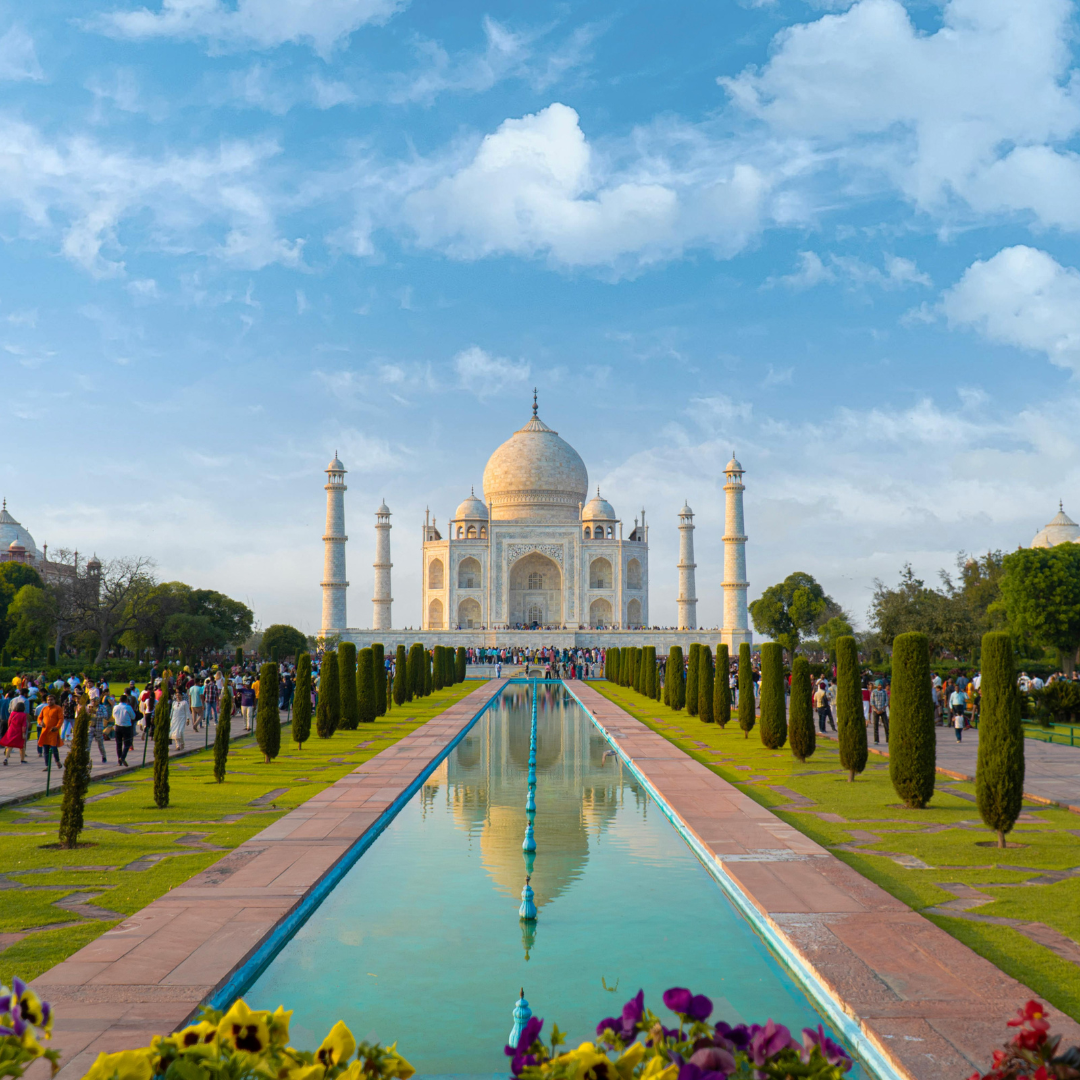
The Taj Mahal is one of the most iconic monuments in the world and a UNESCO World Heritage Site located in the historic city of Agra. Built by Mughal Emperor Shah Jahan in memory of his beloved wife Mumtaz Mahal, the monument is considered the finest example of Mughal architecture in India. Constructed entirely from white marble, the Taj Mahal attracts millions of visitors every year for its breathtaking beauty, intricate carvings, symmetrical gardens, and romantic history.
Construction of the Taj Mahal began in 1632 and took around 20 years to complete. Skilled artisans, craftsmen, and architects from across Asia contributed to its design and construction. The monument beautifully combines Persian, Islamic, and Indian architectural styles, making it one of the Seven Wonders of the World.
Located on the banks of the Yamuna River, the Taj Mahal looks especially mesmerizing during sunrise and sunset when the marble changes shades with the sunlight. The surrounding gardens, fountains, and reflecting pools further enhance its beauty, making it a must-visit destination for travelers visiting Agra.
Key Facts About the Taj Mahal
- Location: Agra, Uttar Pradesh, India
- Built By: Mughal Emperor Shah Jahan
- Dedicated To: Mumtaz Mahal
- Construction Started: 1632
- Completed In: 1653
- Architecture Style: Mughal Architecture
- Material Used: White Marble from Rajasthan
- UNESCO Status: UNESCO World Heritage Site (1983)
- Famous For: Symbol of love and architectural masterpiece
- Visitors Per Year: Millions of tourists from around the world
- Best Time to Visit: October to March
- Nearby Attractions: Agra Fort, Mehtab Bagh, Fatehpur Sikri
- Special Feature: The marble changes color depending on the time of day
- Recognized As: One of the New Seven Wonders of the World
2. Agra Fort


About Agra Fort
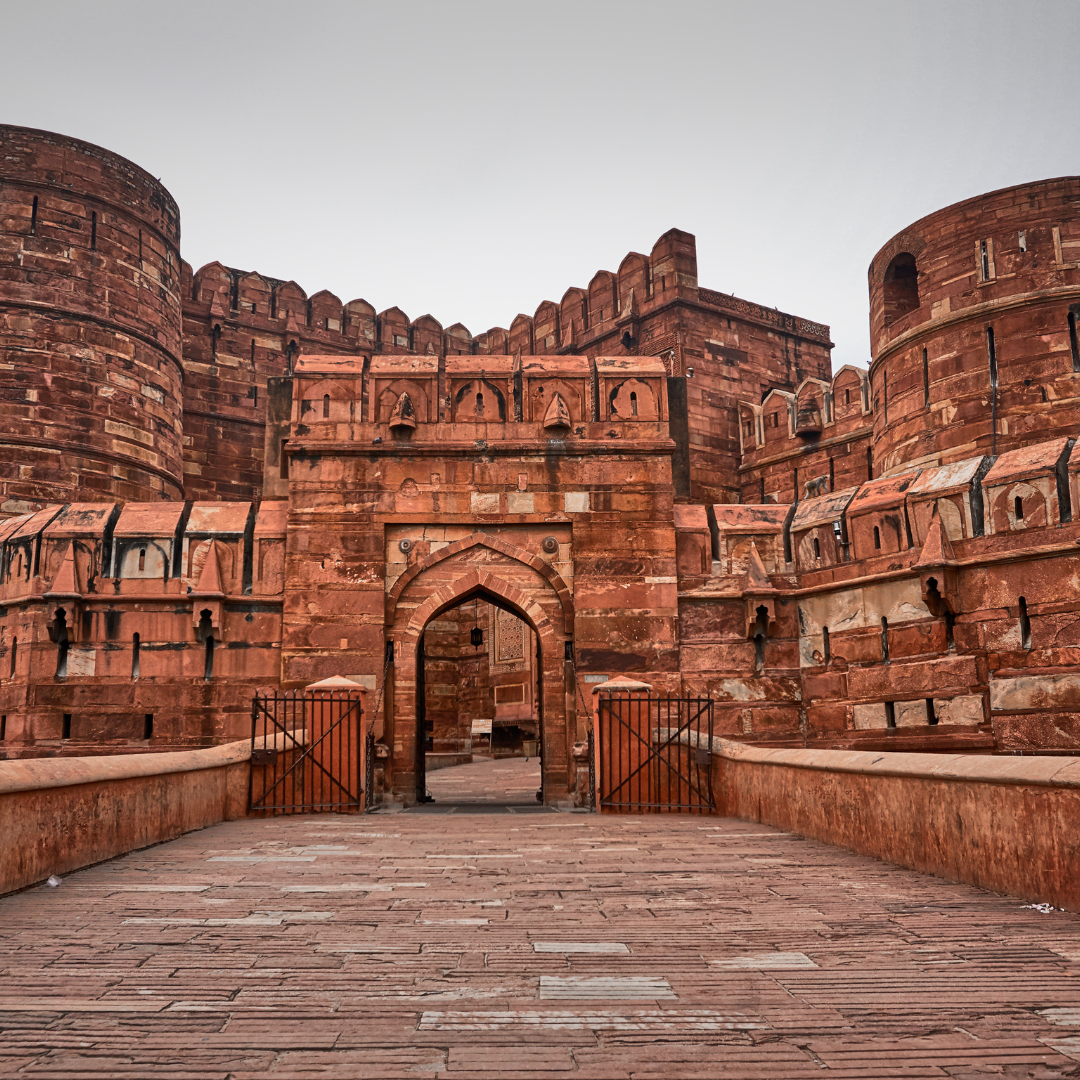
Located on the banks of the Yamuna River in Agra, Agra Fort is one of India’s most magnificent Mughal-era monuments and a UNESCO World Heritage Site. Built primarily by Emperor Akbar in 1565, the fort served as the main residence of the Mughal emperors before the capital shifted to Delhi. Constructed using striking red sandstone, the massive fort complex combines royal palaces, audience halls, mosques, and beautifully designed courtyards.
Often overshadowed by the nearby Taj Mahal, Agra Fort is equally fascinating for history lovers and architecture enthusiasts. The fort reflects a blend of Islamic and Hindu architectural styles, with later additions in white marble made by Emperor Shah Jahan. It is also famously known as the place where Shah Jahan was imprisoned by his son Aurangzeb during the final years of his life.
Visitors can explore several iconic structures inside the fort, including Jahangir Palace, Diwan-i-Khas, Diwan-i-Aam, Musamman Burj, and Sheesh Mahal. The fort offers stunning views of the Taj Mahal from certain sections, making it a must-visit attraction during any Agra trip.
Key Facts About Agra Fort
- Location: Agra, Uttar Pradesh, India
- Built By: Emperor Akbar
- Construction Started: 1565
- UNESCO World Heritage Site: Declared in 1983
- Architectural Style: Mughal architecture with Islamic and Hindu influences
- Main Material Used: Red sandstone and white marble
- Historical Importance: Main residence of Mughal emperors until 1638
- Famous For: Royal palaces, grand halls, and views of the Taj Mahal
- Popular Attractions Inside the Fort:
- Jahangir Palace
- Diwan-i-Aam
- Diwan-i-Khas
- Musamman Burj
- Sheesh Mahal
- Best Time to Visit: October to March
- Nearest Landmark: Around 2.5 km from the Taj Mahal
- Ideal Visit Duration: 2–3 hours
- Photography: Allowed in most areas
- Entry Fee: Separate charges for Indian and foreign tourists
- Nearest Railway Station: Agra Cantt Railway Station
3. Mehtab Bagh


About Mehtab Bagh
Located on the northern bank of the Yamuna River in Agra, Mehtab Bagh is one of the most peaceful and scenic Mughal gardens in the city. The name “Mehtab Bagh” means Moonlight Garden, and it was originally designed during the Mughal era as the final garden in a series of 11 parks built along the Yamuna River.
This beautiful charbagh-style garden offers a breathtaking rear view of the iconic Taj Mahal, making it a favorite spot for photographers, couples, and travelers seeking a quieter alternative to the crowded monument complex. During sunrise and sunset, the reflection of the Taj Mahal over the river creates an unforgettable experience.
Mehtab Bagh was built by Mughal Emperor Babur and later restored by the Archaeological Survey of India. The garden features lush greenery, symmetrical pathways, fountains, and flower beds that perfectly complement the Mughal architectural style. It is especially popular among visitors who want panoramic views of the Taj Mahal without entering the main monument premises.
The calm atmosphere, cool river breeze, and stunning landscape make Mehtab Bagh an ideal place for relaxation, photography, and evening walks while exploring Agra’s rich Mughal heritage.
Key Facts About Mehtab Bagh
- Located across the Yamuna River from the Taj Mahal
- Known as the “Moonlight Garden” of the Mughal era
- Built in the traditional Mughal charbagh garden style
- Offers one of the best sunset and sunrise views in Agra
- Popular photography spot for Taj Mahal reflections
- Less crowded compared to the Taj Mahal complex
- Originally commissioned during the Mughal period by Emperor Babur
- Restored and maintained by the Archaeological Survey of India
- Ideal for nature walks, sightseeing, and peaceful relaxation
- Best visited during winter and early morning hours
- Entry fee is affordable for both Indian and foreign tourists
- Easily accessible from central Agra by road
4. Fatehpur Sikri

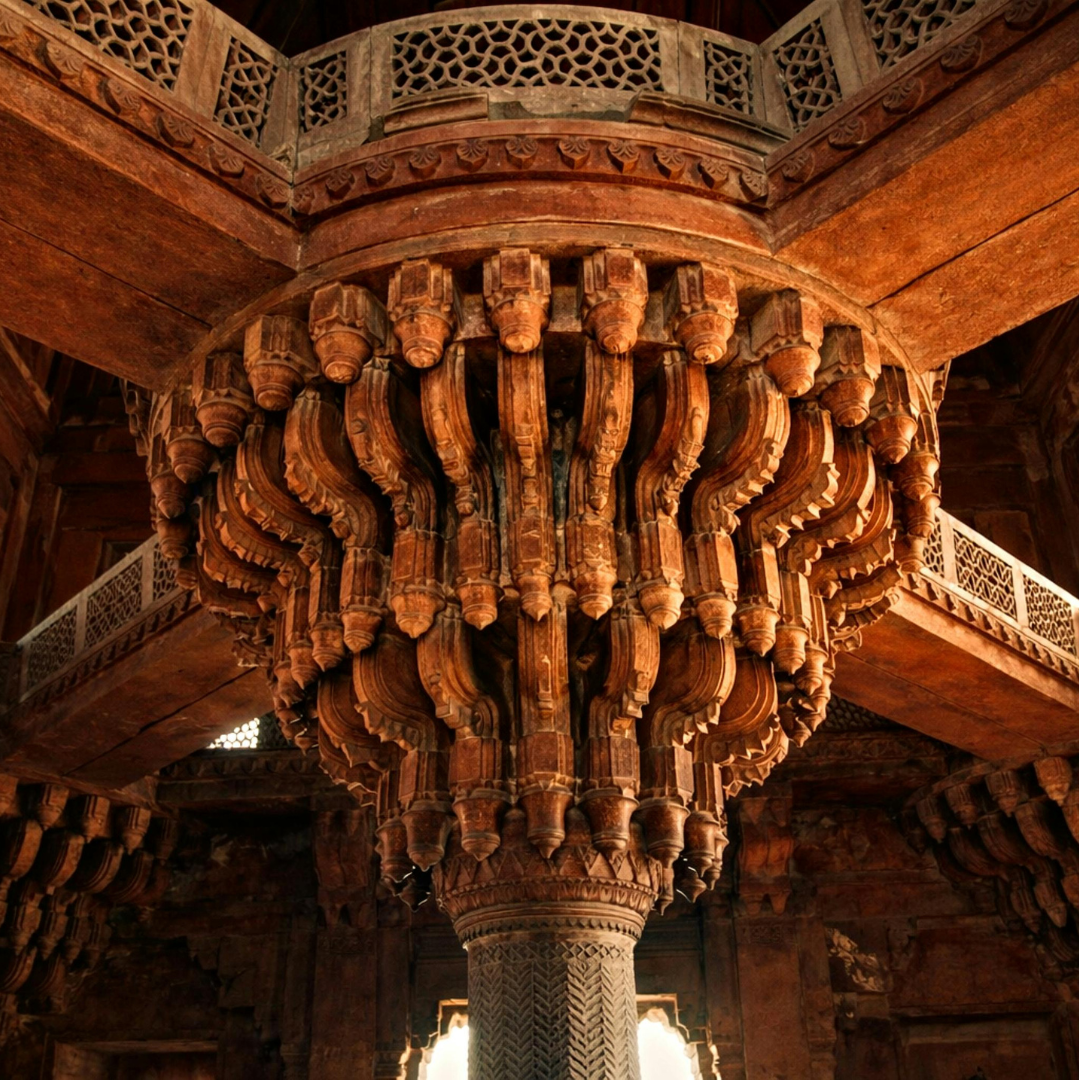
Introduction to Fatehpur Sikri
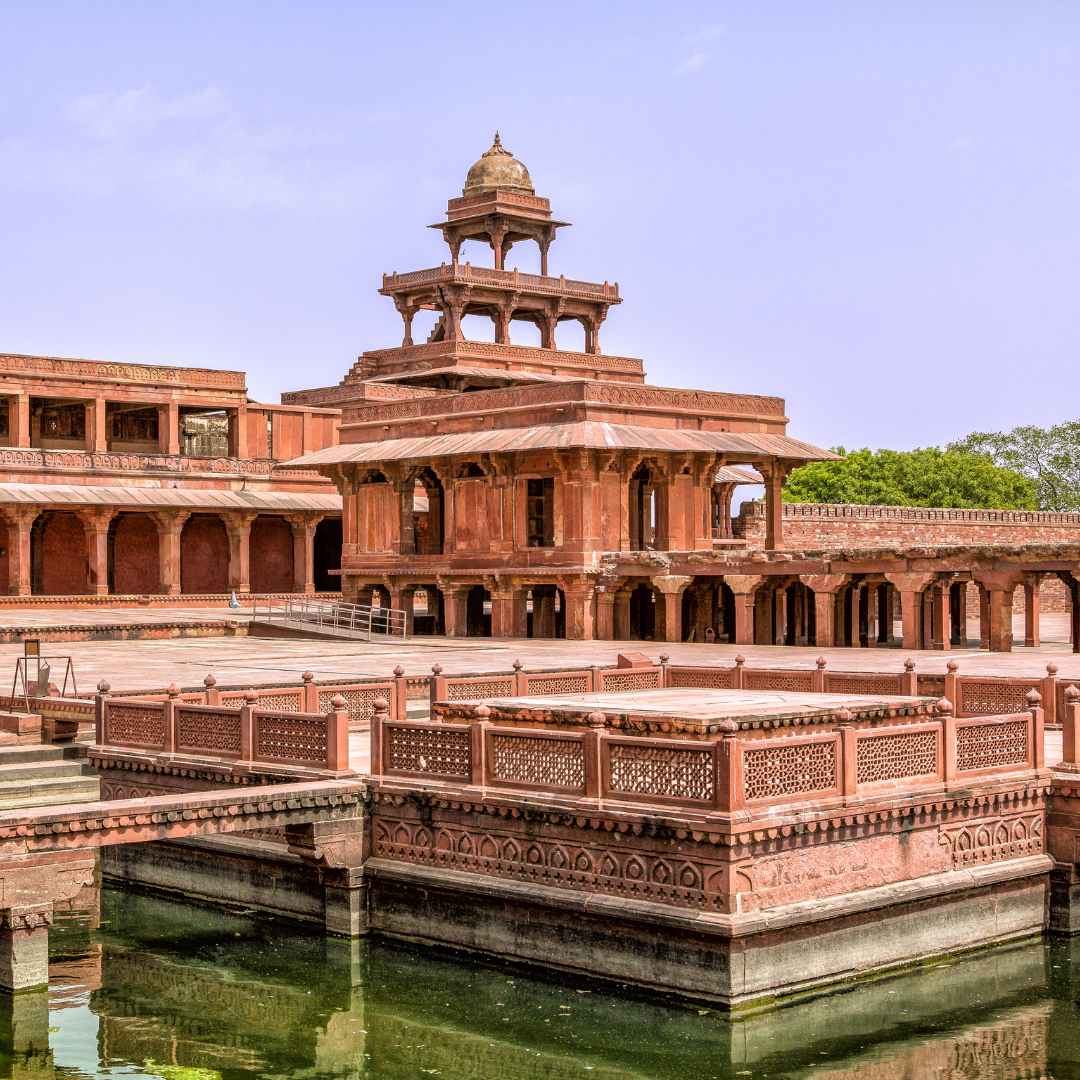
Located near the historic city of Agra, Fatehpur Sikri is one of India’s most fascinating historical destinations. Built by the Mughal emperor Akbar in the 16th century, this UNESCO World Heritage Site is famous for its grand palaces, red sandstone architecture, royal courtyards, and spiritual significance.
Often called the “Ghost City of the Mughals,” Fatehpur Sikri served as the capital of the Mughal Empire for a short period before being abandoned due to water scarcity. Today, it stands as a stunning example of Mughal architecture and attracts travelers, photographers, and history lovers from around the world.
Top Attractions in Fatehpur Sikri
- Buland Darwaza
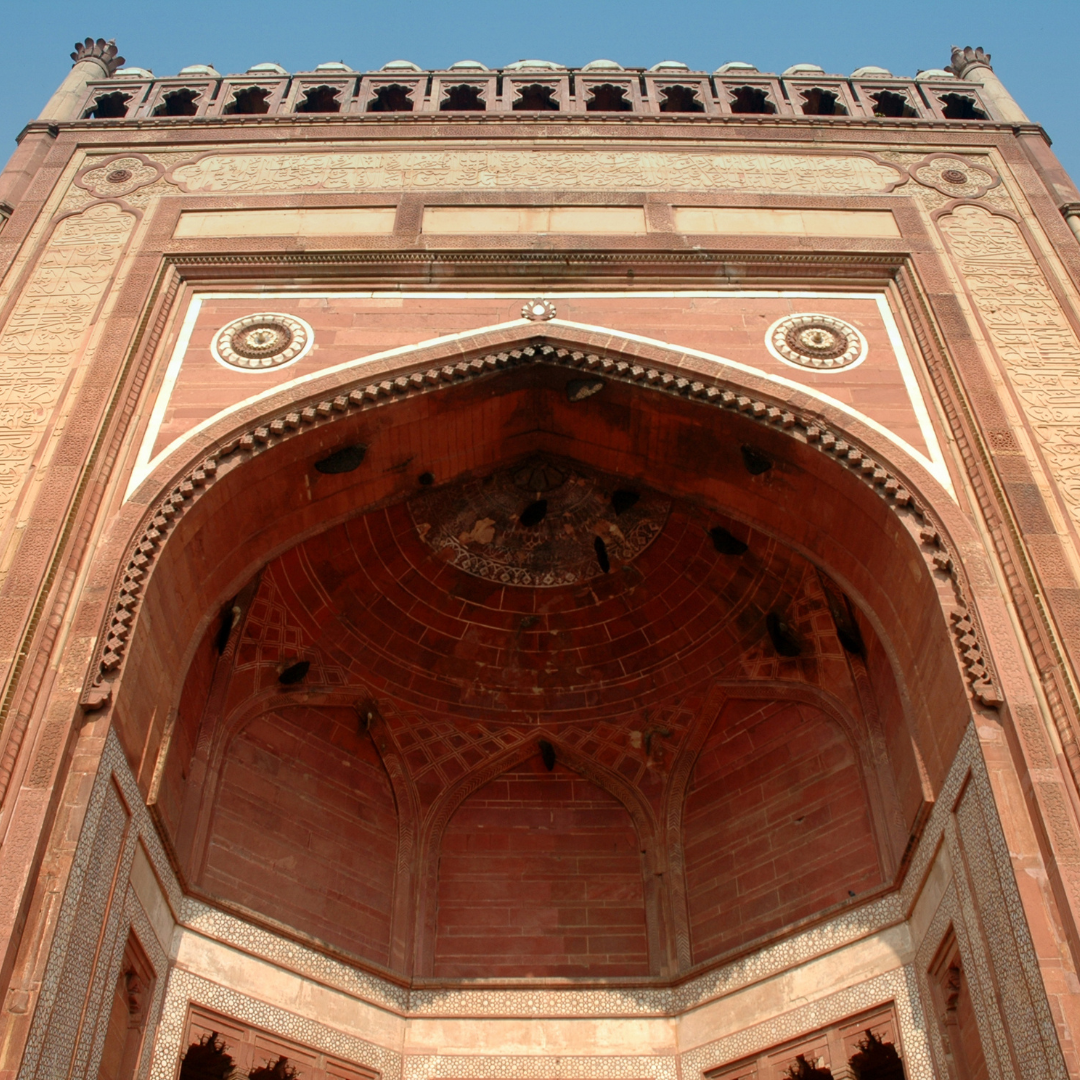
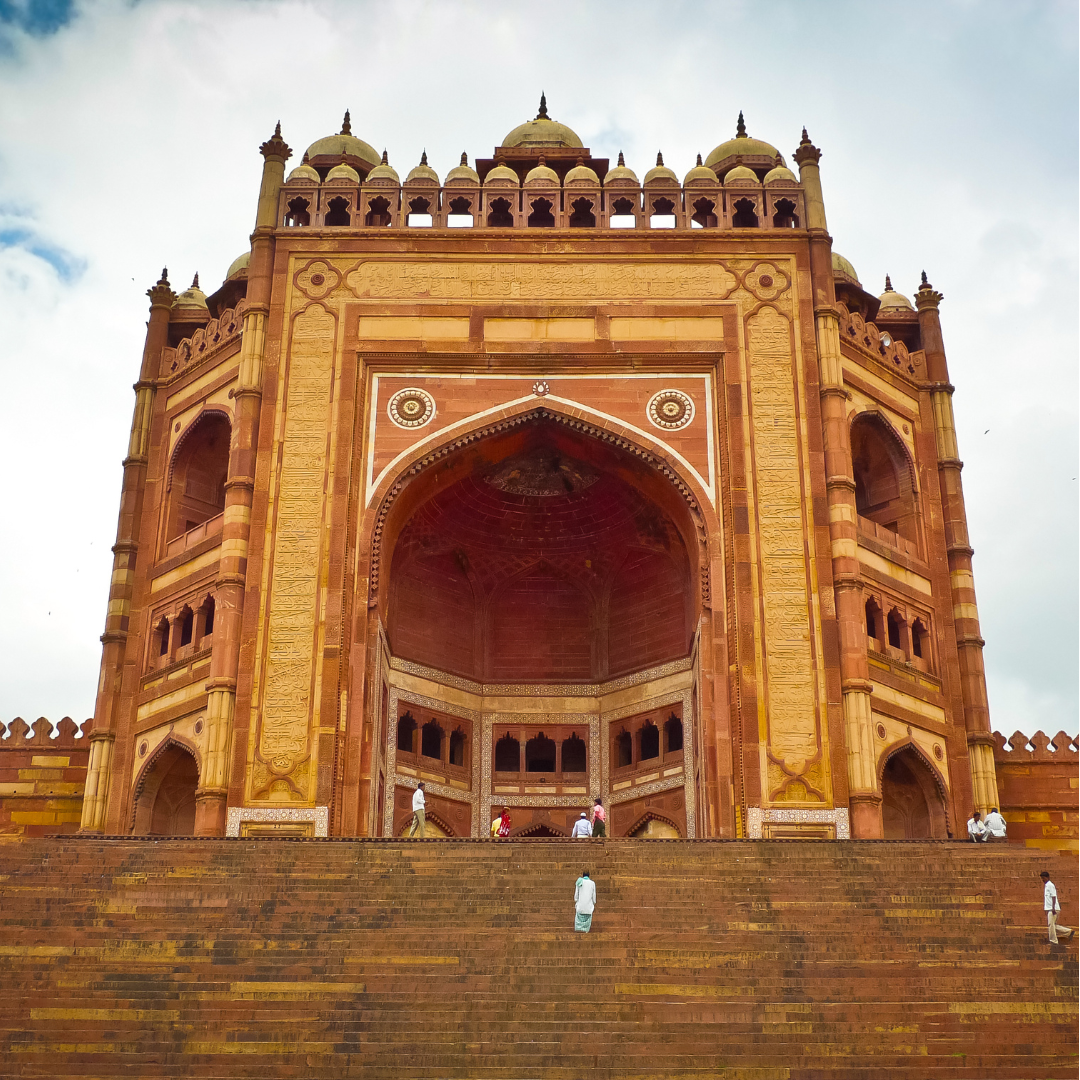

The iconic Buland Darwaza is the most famous structure in Fatehpur Sikri. Built to celebrate Akbar’s victory over Gujarat, this gigantic gateway stands around 54 meters high and is considered one of the tallest gateways in the world.
Highlights
- Grand Mughal architecture
- Intricate carvings and inscriptions
- Stunning photography spot
- Panoramic views from the top
- Jama Masjid


The beautiful Jama Masjid is among the oldest mosques built during the Mughal era. Its peaceful atmosphere and impressive design make it a must-visit attraction.
Highlights
- Massive prayer hall
- Elegant Mughal arches
- Historic Islamic architecture
- Spiritual ambiance
- Tomb of Salim Chishti

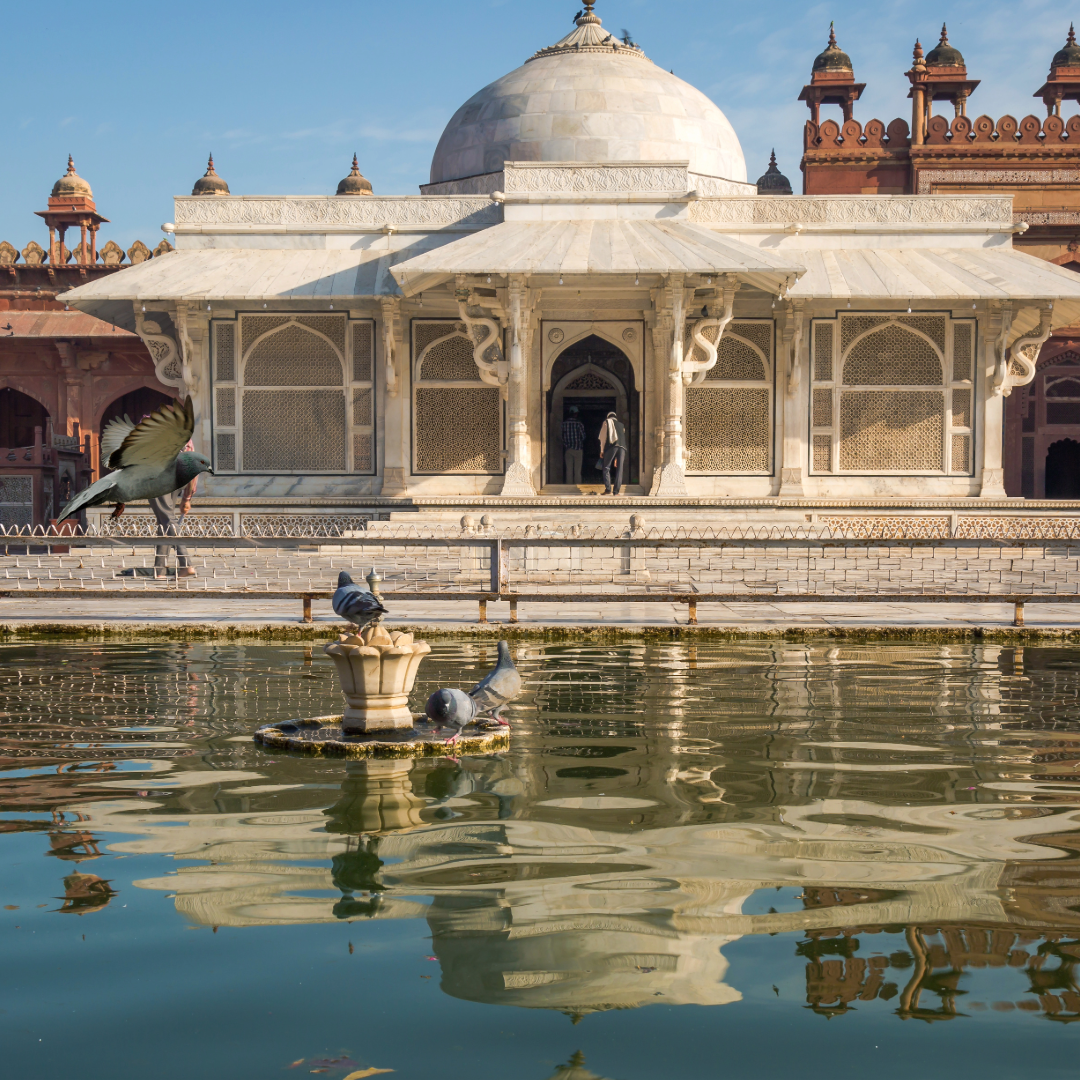

The stunning white marble tomb of Tomb of Salim Chishti is one of the most sacred places in Fatehpur Sikri. People from different parts of India visit this shrine to seek blessings.
Highlights
- Sacred Sufi shrine
- Beautiful marble lattice work
- Peaceful atmosphere
- Intricate Mughal craftsmanship
- Panch Mahal


Panch Mahal is a five-story palace built with beautifully carved pillars. It was designed for royal relaxation and offers a glimpse into Mughal luxury.
Highlights
- Unique five-level structure
- Open-air pavilion design
- Excellent viewpoint for photography
- Royal Mughal architecture
Key Facts About Fatehpur Sikri
- Built by Mughal Emperor Akbar in 1571
- Served as the Mughal capital for about 14 years
- Recognized as a UNESCO World Heritage Site
- Located around 40 km from Agra
- Famous for red sandstone architecture
- Known as the “Ghost City” due to its abandonment
- Home to Buland Darwaza, one of the tallest gateways in the world
- Combines Persian, Islamic, and Indian architectural styles
- Major pilgrimage site because of Salim Chishti’s tomb
- One of the best historical places to visit in Uttar Pradesh
5. Itimad-ud-Daulah


Located on the banks of the Yamuna River in Agra, Itimad-ud-Daulah is one of the most beautiful Mughal monuments in India. Often called the “Baby Taj”, this elegant tomb is considered the inspiration behind the world-famous Taj Mahal because of its delicate marble work and intricate carvings.
Built between 1622 and 1628 by Nur Jahan, the wife of Mughal Emperor Jahangir, the monument was constructed in memory of her father, Mirza Ghiyas Beg, who was given the title Itimad-ud-Daulah, meaning “Pillar of the State.” Unlike earlier Mughal structures made mainly of red sandstone, this tomb was among the first to use white marble extensively, making it a significant turning point in Mughal architecture.
The monument is famous for its detailed pietra dura inlay work, floral motifs, lattice screens (jalis), and Persian-style gardens. The peaceful atmosphere and comparatively smaller crowds make it a perfect destination for travelers looking to explore Agra beyond the Taj Mahal.
Key Facts About Itimad-ud-Daulah
- Location: Agra, Uttar Pradesh, on the eastern bank of the Yamuna River
- Built By: Nur Jahan
- Built For: Mirza Ghiyas Beg (Itimad-ud-Daulah), Nur Jahan’s father
- Construction Period: 1622 – 1628
- Architectural Style: Mughal architecture with Persian influence
- Popular Nickname: “Baby Taj”
- Main Material Used: White marble with semi-precious stone inlay work
- Famous For: Intricate carvings, pietra dura artwork, and beautiful jali windows
- Historical Importance: Considered a precursor and inspiration for the Taj Mahal
- Best Time to Visit: October to March for pleasant weather
- Ideal Visit Duration: 1–2 hours
- Photography: Excellent spot for heritage and sunset photography
- Nearest Major Attraction: Agra Fort and Taj Mahal
Best Time to Visit Agra
According to this Agra travel guide, the best time to visit Agra is from October to March, when the weather is pleasant and ideal for sightseeing. During these months, you can comfortably explore famous attractions like the Taj Mahal, Agra Fort, and Mehtab Bagh without the extreme summer heat.
1. Winter Season (October to March) — Best Overall
- Temperature ranges between 8°C to 25°C
- Pleasant weather for sightseeing and photography
- Ideal for sunrise and sunset views of the Taj Mahal
- Peak tourist season with vibrant local markets and festivals
2. Summer Season (April to June)
- Temperature can rise above 40°C
- Hot afternoons may make outdoor travel uncomfortable
- Early morning visits are recommended if traveling in summer
- Hotels may offer cheaper rates during this off-season
3. Monsoon Season (July to September)
- Moderate to heavy rainfall
- Gardens and monuments look greener and more beautiful
- Fewer crowds compared to winter
- Good for budget travelers and photography lovers
How to Reach Agra
According to this Agra travel guide, reaching Agra is quite easy because the city is well connected by air, train, and road from major Indian cities like Delhi, Jaipur, Lucknow, and Mumbai.
1. Reach Agra by Air
The nearest airport is:
Agra Airport
- Located around 13 km from the Taj Mahal
- Limited domestic flights operate here
- Best connected to cities like Delhi and Jaipur
Most travelers prefer flying to:
Indira Gandhi International Airport
- About 230 km from Agra
- Better flight connectivity from all major Indian and international cities
- From Delhi, you can reach Agra by train, cab, or bus in around 3–4 hours
2. Reach Agra by Train
Train travel is one of the most convenient ways to reach Agra.
Major railway stations include:
- Agra Cantt Railway Station
- Agra Fort Railway Station
- Raja Ki Mandi Railway Station
Popular trains to Agra:
- Gatimaan Express (Fastest from Delhi)
- Shatabdi Express
- Taj Express
- Rajdhani Express
Travel Time by Train
- From Delhi: 1.5 to 3 hours
- From Jaipur: 4 to 5 hours
- From Lucknow: 5 to 6 hours
3. Reach Agra by Road
Agra has excellent road connectivity through national highways and expressways.
Via Yamuna Expressway
The most popular route from Delhi is the:
Yamuna Expressway
- Smooth six-lane expressway
- Distance: Around 230 km
- Travel time: About 3–4 hours
Conclusion
This Agra travel guide proves why Agra remains one of India’s top travel destinations. From the breathtaking Taj Mahal to magnificent Mughal forts and flavorful cuisine, the city delivers a complete cultural experience.
Whether you are planning a family vacation, romantic getaway, solo trip, or historical tour, the best places to visit in Agra will leave you with unforgettable memories.
If you love history, architecture, food, and photography, this Agra travel guide deserves a top spot on your travel bucket list.