
Top Cities to Visit in Karnataka – Complete Travel Guide


Karnataka is one of the most diverse travel destinations in India. The state is famous for its historic monuments, modern cities, beaches, temples, and hill stations.
Moreover, Karnataka offers a perfect blend of culture, nature, and heritage. From the vibrant technology hub of Bengaluru to the historic ruins of Hampi, travelers can experience a wide range of attractions.
In this travel guide, we explore the top cities to visit in Karnataka, the most famous places in each city, and how you can reach them easily.
1. Bengaluru – The Silicon Valley of India


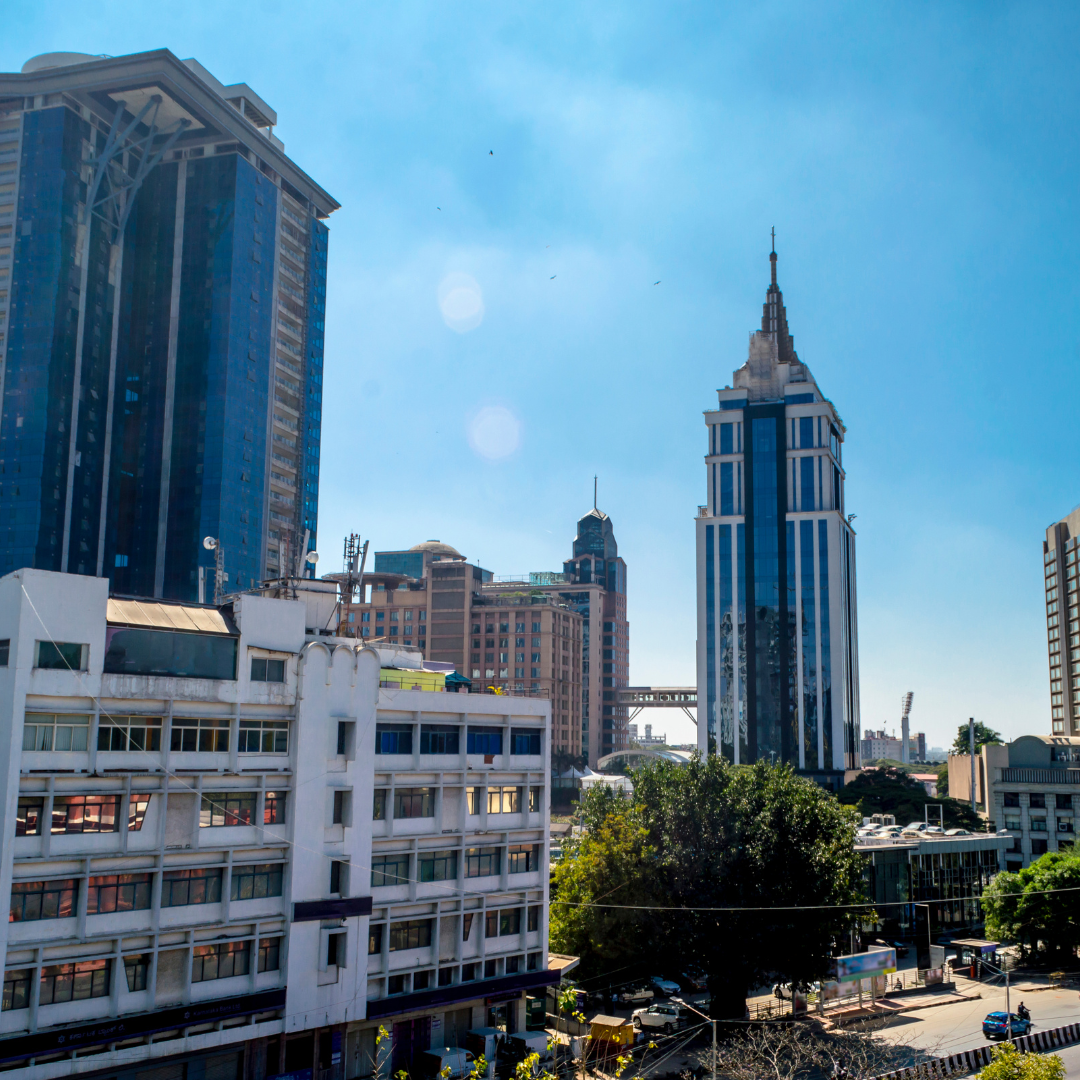
Bengaluru (formerly Bangalore) is the capital and largest city of the Indian state of Karnataka. It is a major metropolitan hub known for its technology industry, diverse culture, and mild climate. Often called the “Silicon Valley of India,” Bengaluru plays a central role in the country’s innovation and startup ecosystem.
Key facts
- State: Karnataka, India
- Founded: 1537 (by Kempe Gowda I)
- Population: Approx. 12+ million (2023 est.)
- Elevation: 920 m (3,020 ft) above sea level
- Nicknames: Garden City, Silicon Valley of India
Important Places to Visit
1. Bangalore Palace

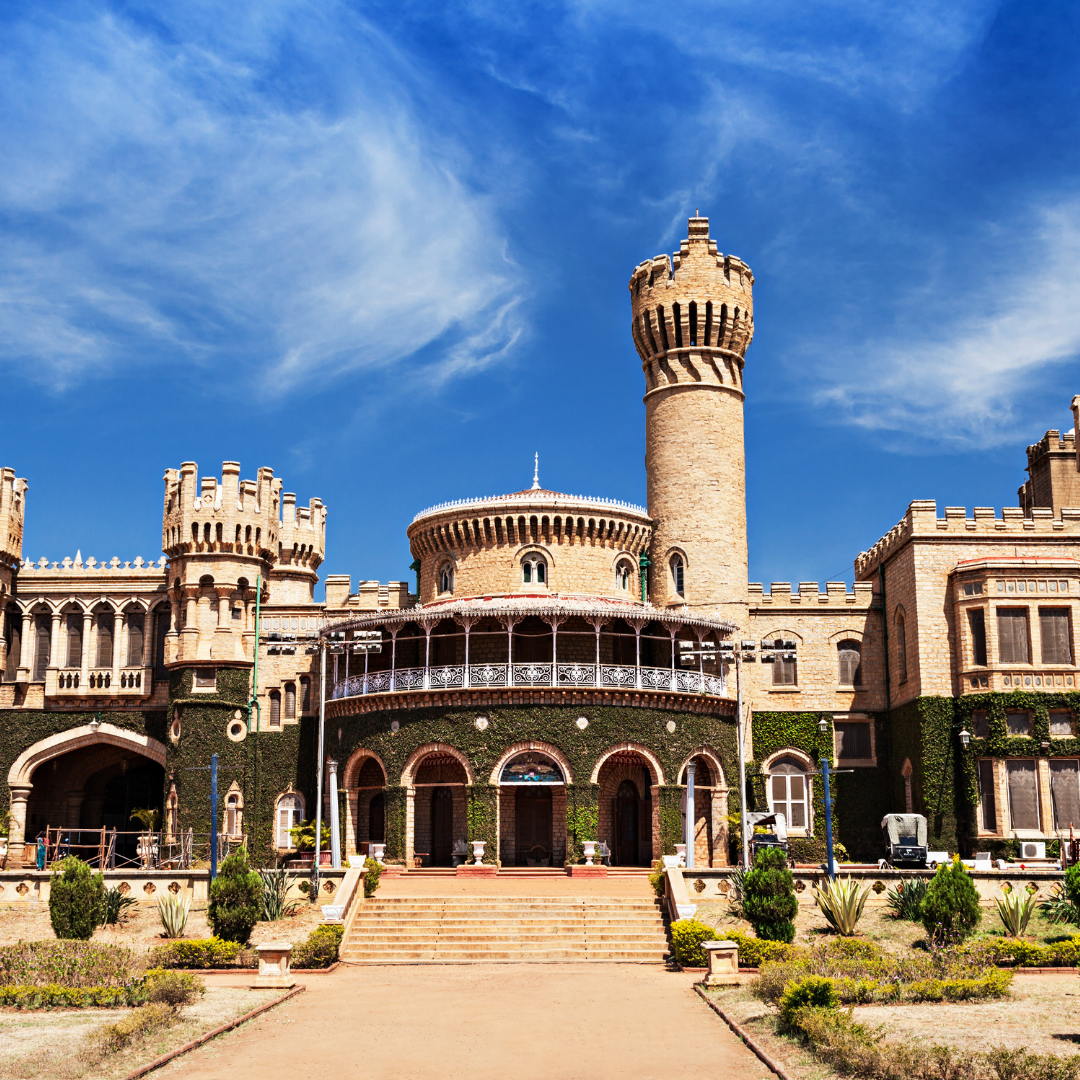

Bangalore Palace is a 19th-century royal residence located in Vasanth Nagar, Bengaluru, India. Modeled after Windsor Castle, it exemplifies Tudor-style architecture with fortified towers and ornate woodwork. Once home to the Wodeyar family, the palace remains a major cultural and tourist landmark reflecting Karnataka’s regal heritage.
Key facts
- Completed: 1878
- Built for: Maharaja Chamarajendra Wadiyar X
- Architecture: Tudor and Scottish Gothic revival
- Area: 45,000 sq ft building within 454-acre grounds
- Visiting hours: Tue–Sun, 10 AM – 5:30 PM
2. Lalbagh Botanical Garden

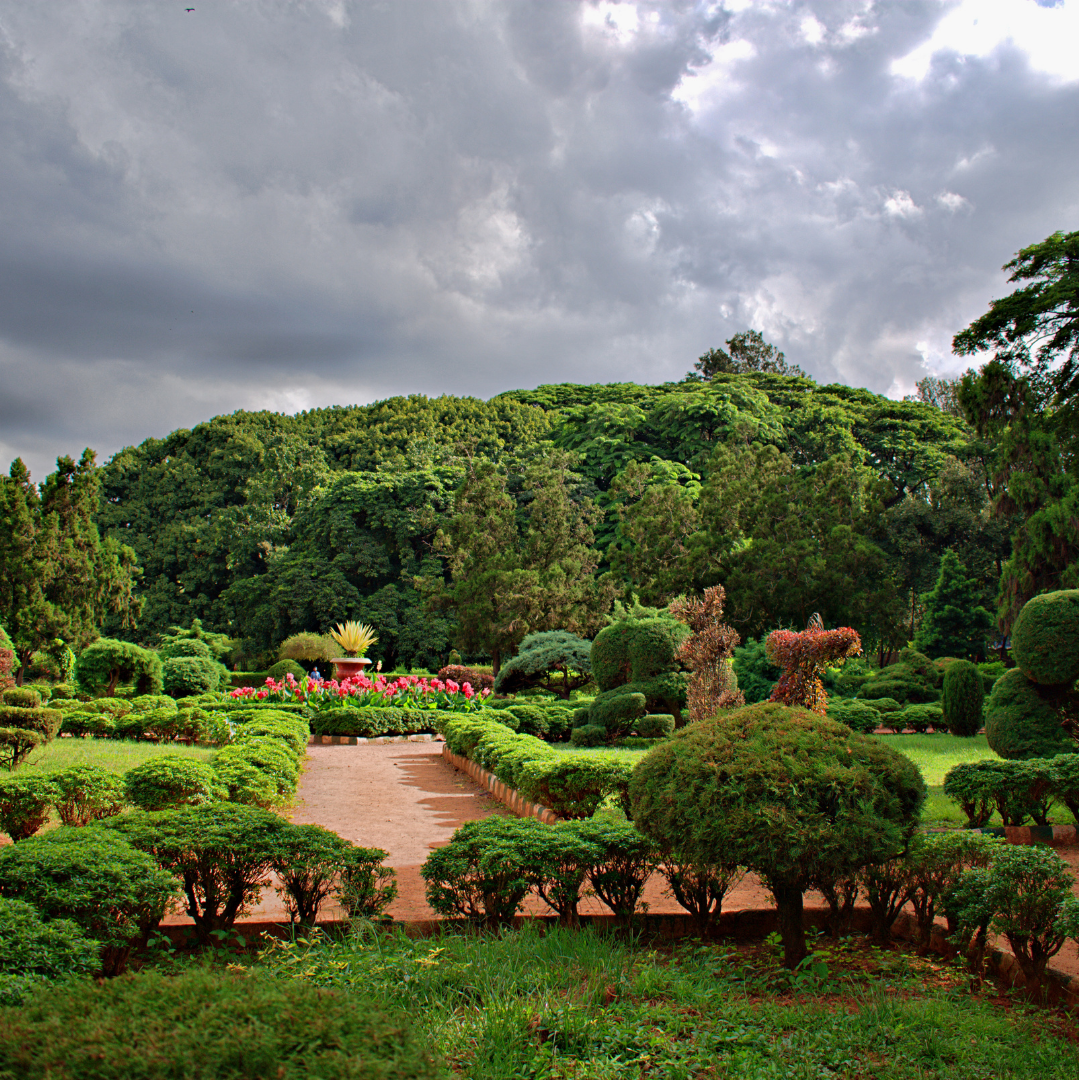

Lalbagh Botanical Garden is a 240-acre historic green space in the heart of Bengaluru, Karnataka, India. Established in the 18th century by Hyder Ali and expanded by Tipu Sultan, it is among India’s oldest and most celebrated botanical gardens. Today it serves as a horticultural research center, biodiversity hub, and popular public park known for its iconic glasshouse and biannual flower shows.
Key facts
- Founded: Circa 1760 by Hyder Ali
- Area: ≈ 240 acres (97 hectares)
- Main attraction: Glass House modeled on London’s Crystal Palace
- Flora: 1,800 + species of tropical and subtropical plants
- Timings: 6 AM – 7 PM daily (entry free for early joggers)
3. ISKCON Temple, Bangalore


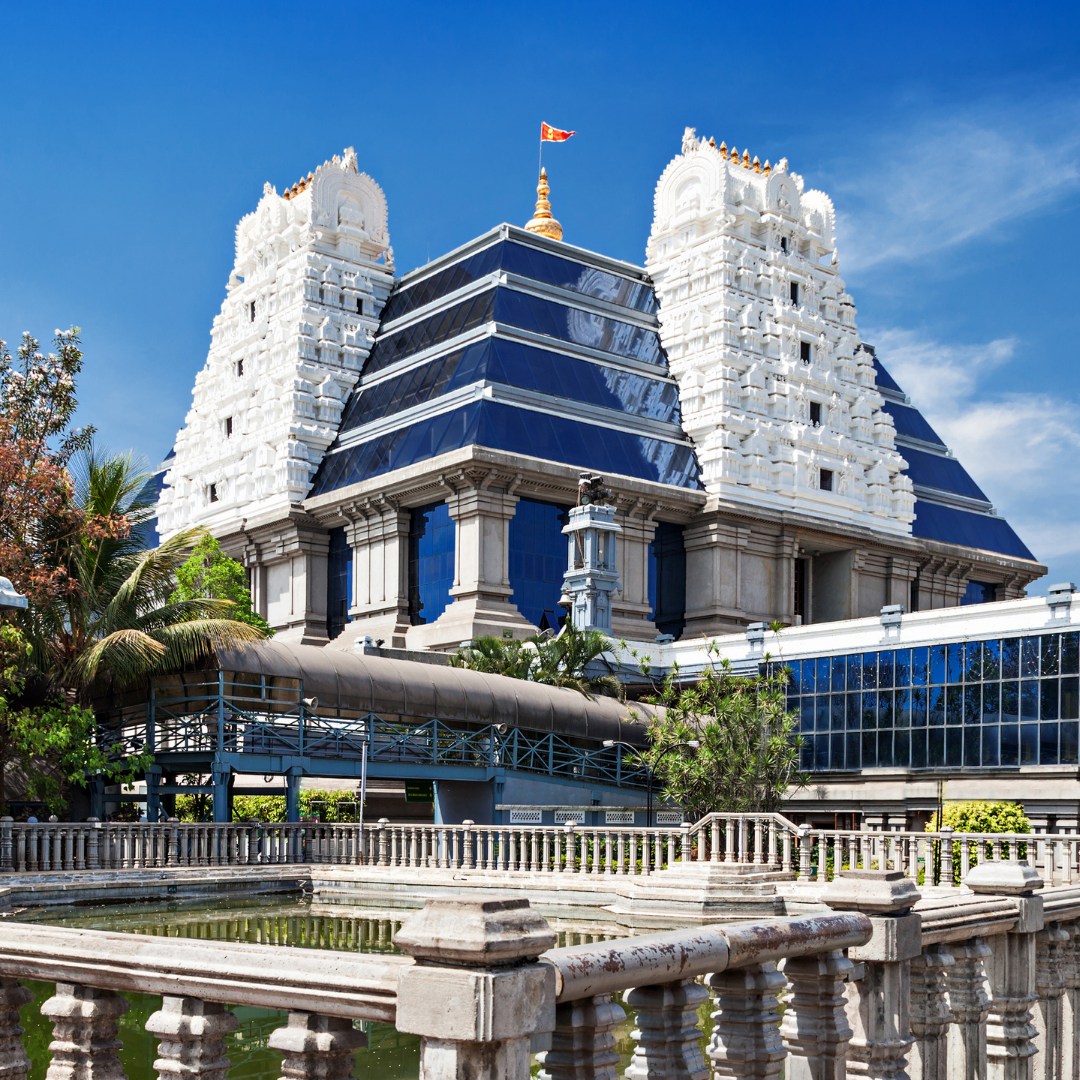
The ISKCON Temple Bangalore is one of the most famous spiritual destinations in India. Located on Hare Krishna Hill in Rajajinagar, this magnificent temple attracts thousands of devotees and tourists every day.
Moreover, the temple is dedicated to Krishna and Balarama and is managed by the International Society for Krishna Consciousness.
Because of its grand architecture, peaceful atmosphere, and spiritual programs, the temple has become one of the top places to visit in Bengaluru.
Key facts
- Located on Hare Krishna Hill, Rajajinagar in Bengaluru,
- The temple was inaugurated in 1997.
- Operated by the International Society for Krishna Consciousness
- A. C. Bhaktivedanta Swami Prabhupada
- Combination of modern architecture and traditional South Indian temple design.
- Large prayer hall
- Gold-plated tower (gopuram)
- Cultural and Vedic museum
- Prasadam (vegetarian food) hall
- Spiritual bookstore and gift shop
- Morning: 4:15 AM – 1:00 PM
- Evening: 4:15 PM – 8:20 PM
- The temple attracts thousands of devotees and tourists daily.
- One of the largest ISKCON temples in the world and a major spiritual center in India.
4. Vidhana Soudha


Vidhana Soudha is one of the most famous landmarks in Bengaluru and serves as the seat of the Karnataka state legislature. Located in the heart of the city, this magnificent building is widely known for its grand architecture and political significance.
Moreover, Vidhana Soudha represents the administrative power and heritage of Karnataka. Built in the Neo-Dravidian architectural style, the structure is made entirely of granite and stands as one of the most impressive government buildings in India.
Key facts
- Situated in the heart of Bengaluru, opposite Cubbon Park.
- The building houses the Legislative Assembly and Legislative Council of Karnataka.
- Construction began in 1951 and was completed in 1956.
- The project was initiated by Kengal Hanumanthaiah, the Chief Minister of Mysore State (now Karnataka).
- Built in Neo-Dravidian architectural style, blending traditional South Indian temple architecture with modern design.
- Constructed mainly using granite stones, giving the structure a majestic appearance.
- The building has four main floors along with a basement.
- Vidhana Soudha spreads over approximately 60 acres.
- The building features a large central dome topped with the Ashoka emblem of India.
- Famous Inscription:
The front of the building displays the famous phrase:
“Government Work is God’s Work.” - The building is beautifully illuminated on Sundays and public holidays, making it a popular photography spot.
How to Reach Bengaluru
Air:
Kempegowda International Airport connects the city to major global destinations.
Train:
Bengaluru has several major railway stations including Bengaluru City Junction.
Road:
The city is connected by national highways to nearby states and cities.
2. Mysuru – The City of Palaces
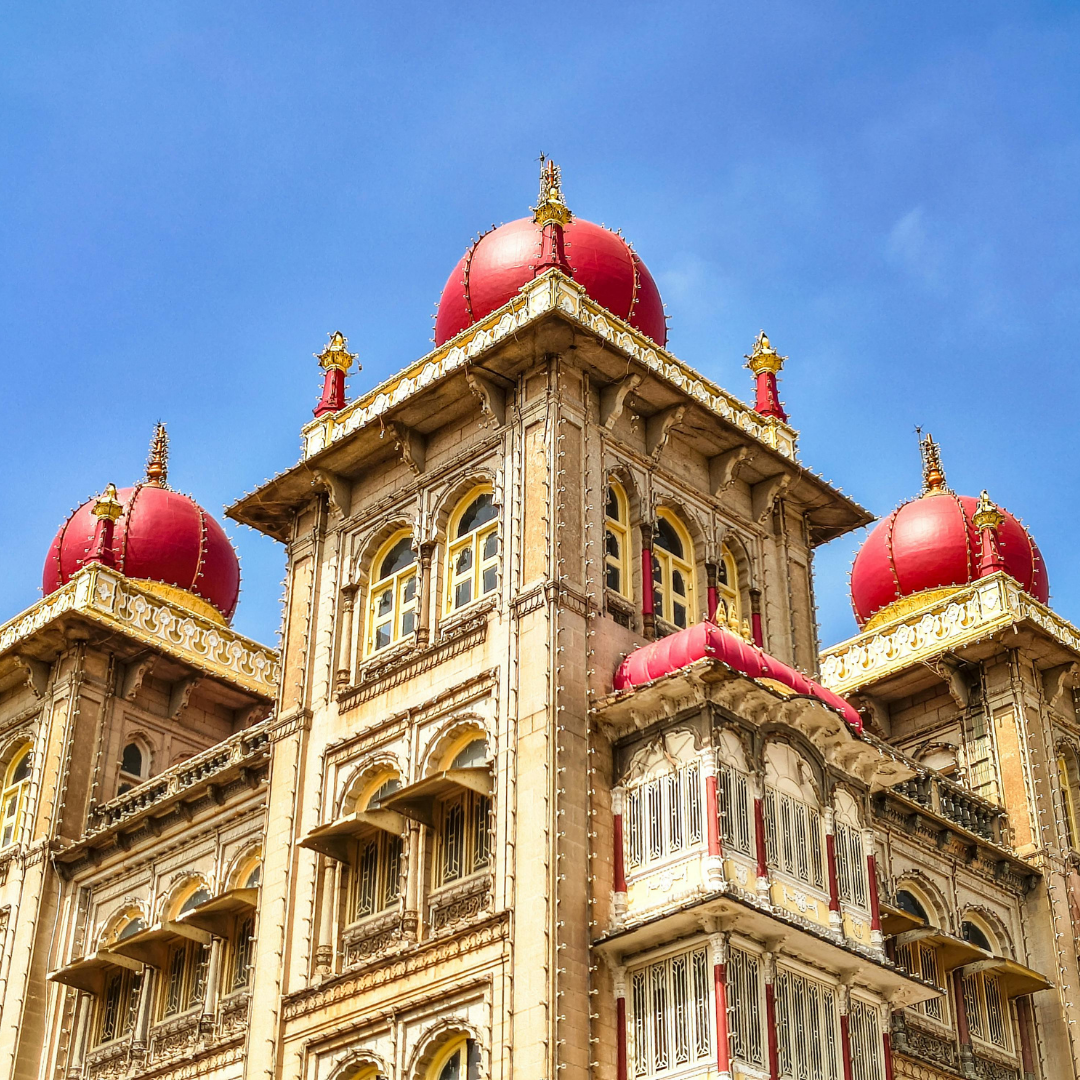

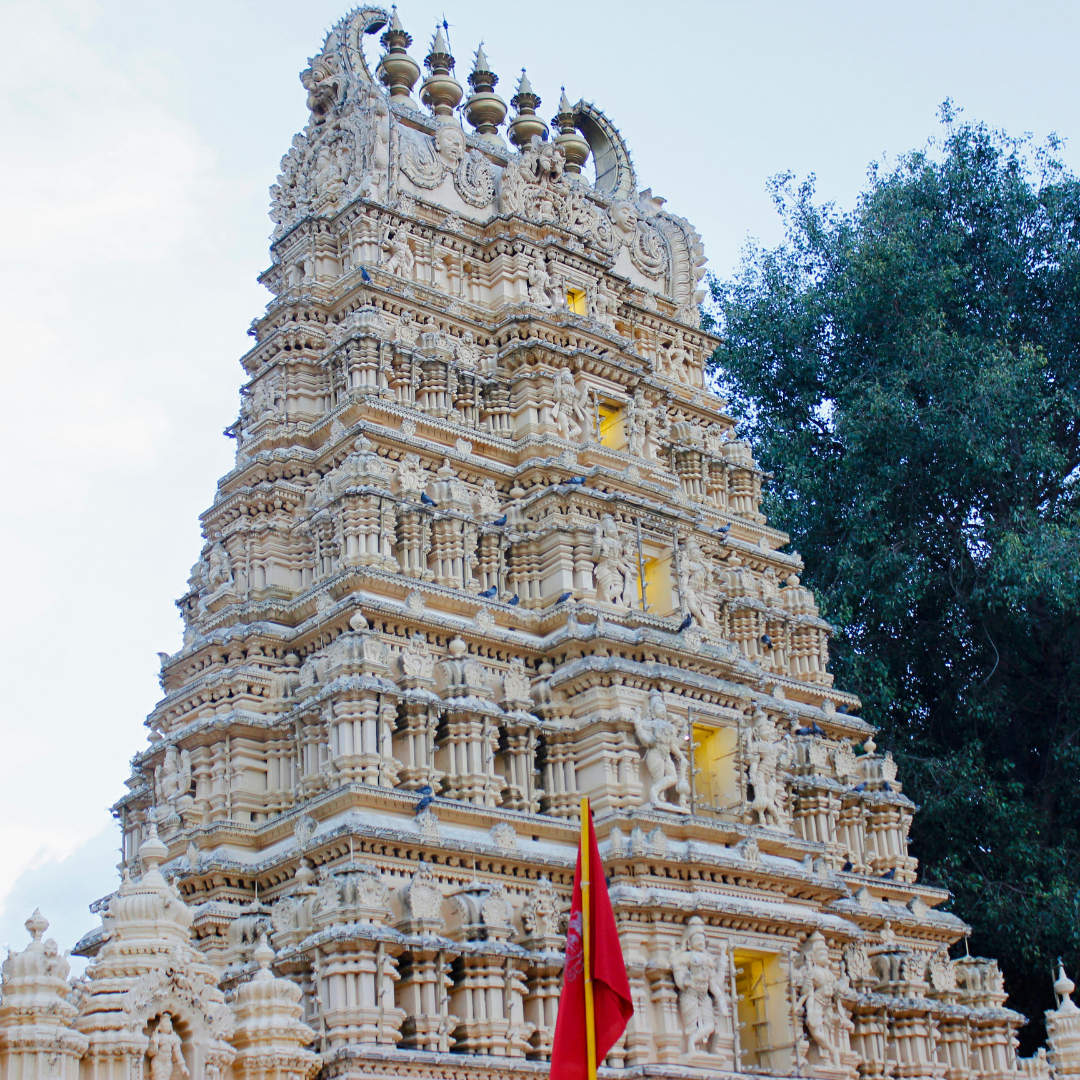
Mysuru (also known as Mysore) is a historic city in the southern Indian state of Karnataka. Renowned for its royal heritage, cultural festivals, and architectural landmarks, it served as the capital of the Kingdom of Mysore. Today, Mysuru is a major tourist destination and a center for education, silk, and sandalwood industries.
Key facts
- State: Karnataka, India
- Founded: 14th century (as capital of the Wodeyar dynasty)
- Population: About 920,000 (2023 estimate)
- Famous landmark: Mysore Palace
- Festival: Mysore Dasara, celebrating victory of good over evil
Important Places to Visit
1. Mysore Palace
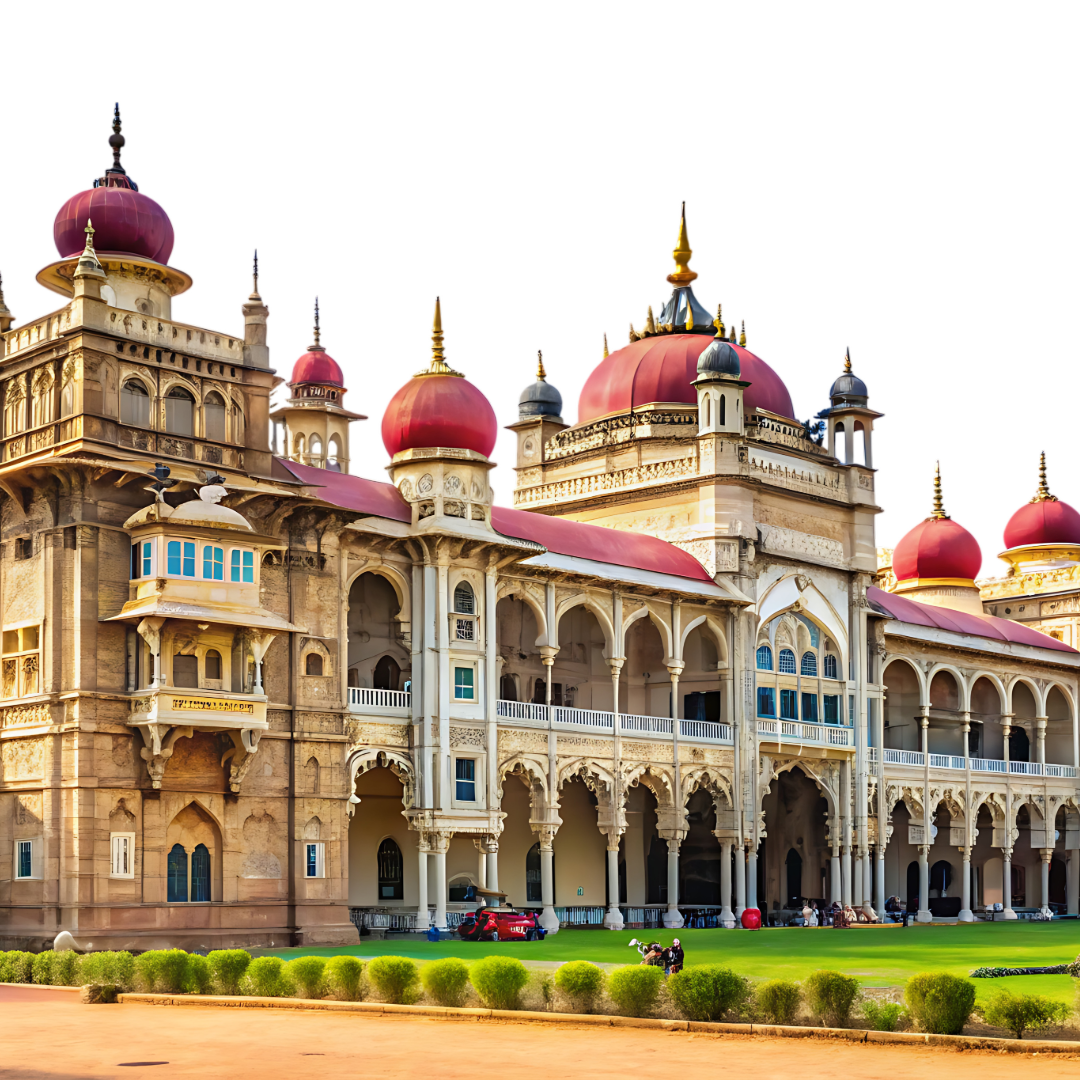

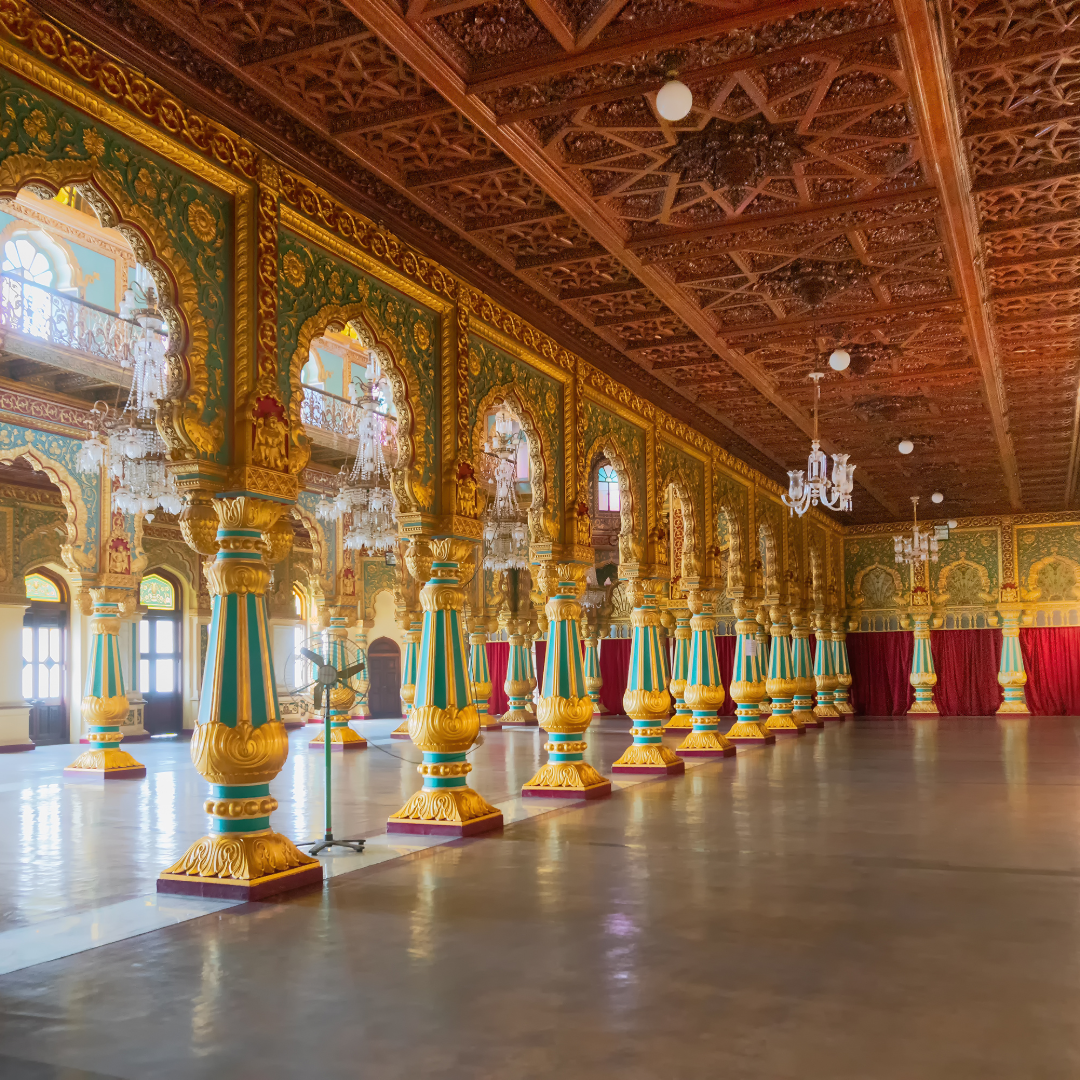
Mysore Palace, also called Amba Vilas Palace, is a grand royal residence in Mysuru, Karnataka, India. It was the seat of the Wadiyar (Wodeyar) dynasty, who ruled the Kingdom of Mysore for over five centuries. Today, it is among India’s most visited monuments and a defining symbol of the city’s royal heritage.
Key facts
- Location: Chamrajpura, Mysuru, Karnataka
- Architect: Henry Irwin (completed 1912)
- Architectural style: Indo-Saracenic (blend of Hindu, Islamic, Rajput, and Gothic)
- Visiting hours: 10 AM – 5:30 PM daily
- Illumination: Sundays & holidays 7 – 7:45 PM (≈100,000 bulbs)
2. Chamundi Hills
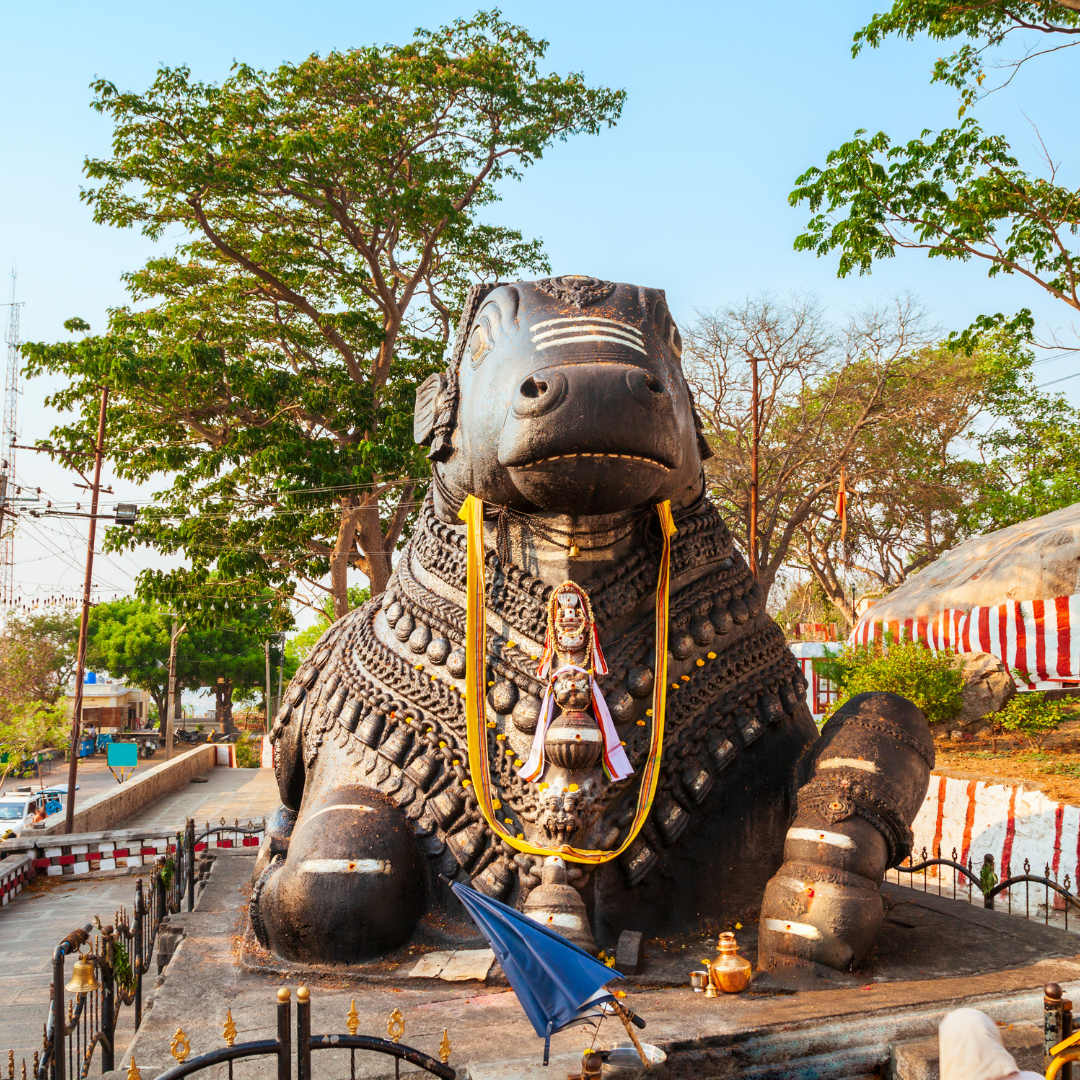

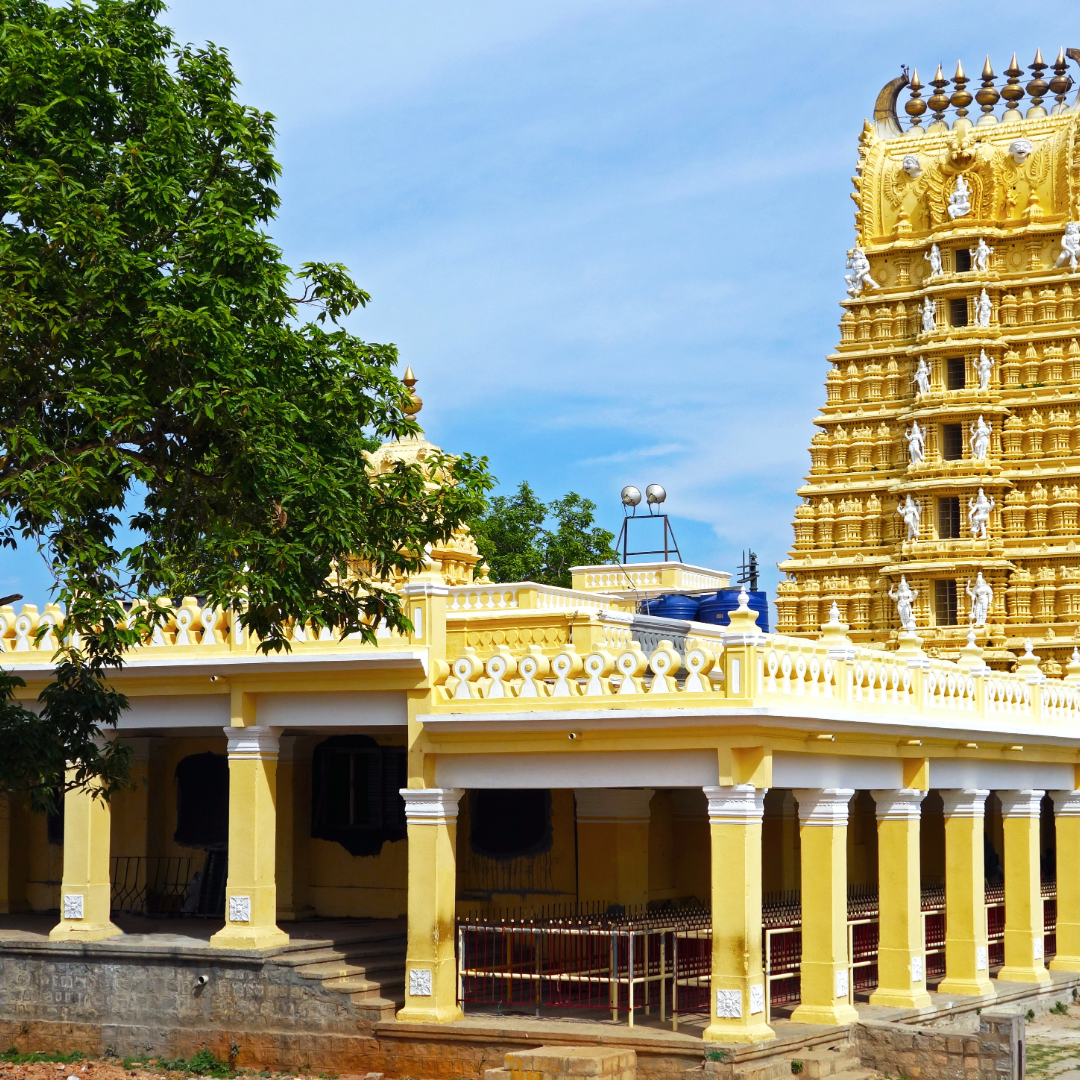
Chamundi Hills is a prominent hill range located on the outskirts of Mysuru (Mysore), Karnataka, India. Rising about 1,000 meters above sea level, it is a key spiritual and cultural landmark of the region, best known for the hilltop Chamundeshwari Temple and its panoramic views over the Mysuru cityscape.
Key facts
- Elevation: Approximately 1,000 meters (3,300 feet)
- Location: 13 km east of Mysuru, Karnataka, India
- Primary deity: Goddess Chamundeshwari (Durga)
- Main attraction: Chamundeshwari Temple and Nandi statue
- Access: Motor road and 1,008-step stone staircase
3. Namdroling Monastery
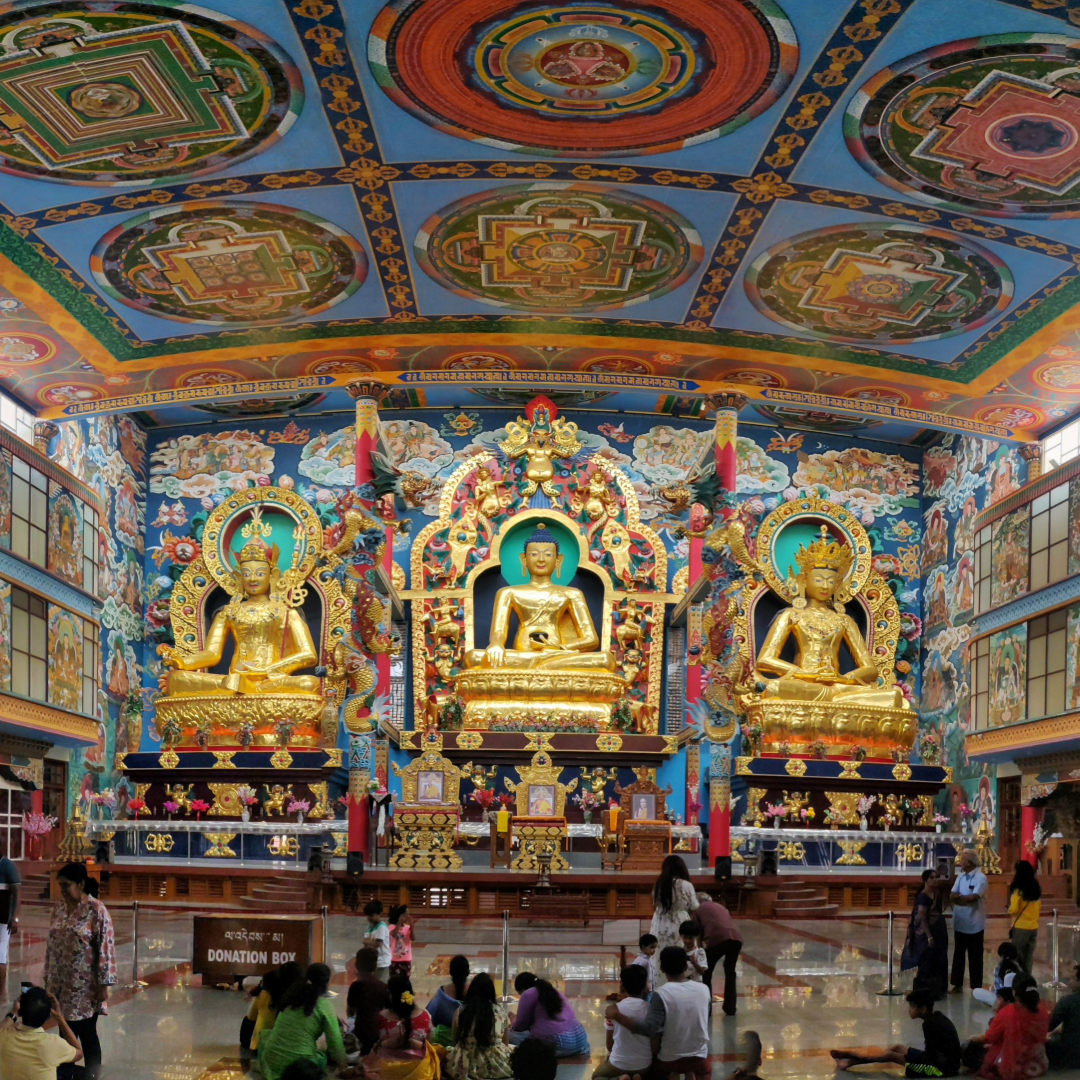
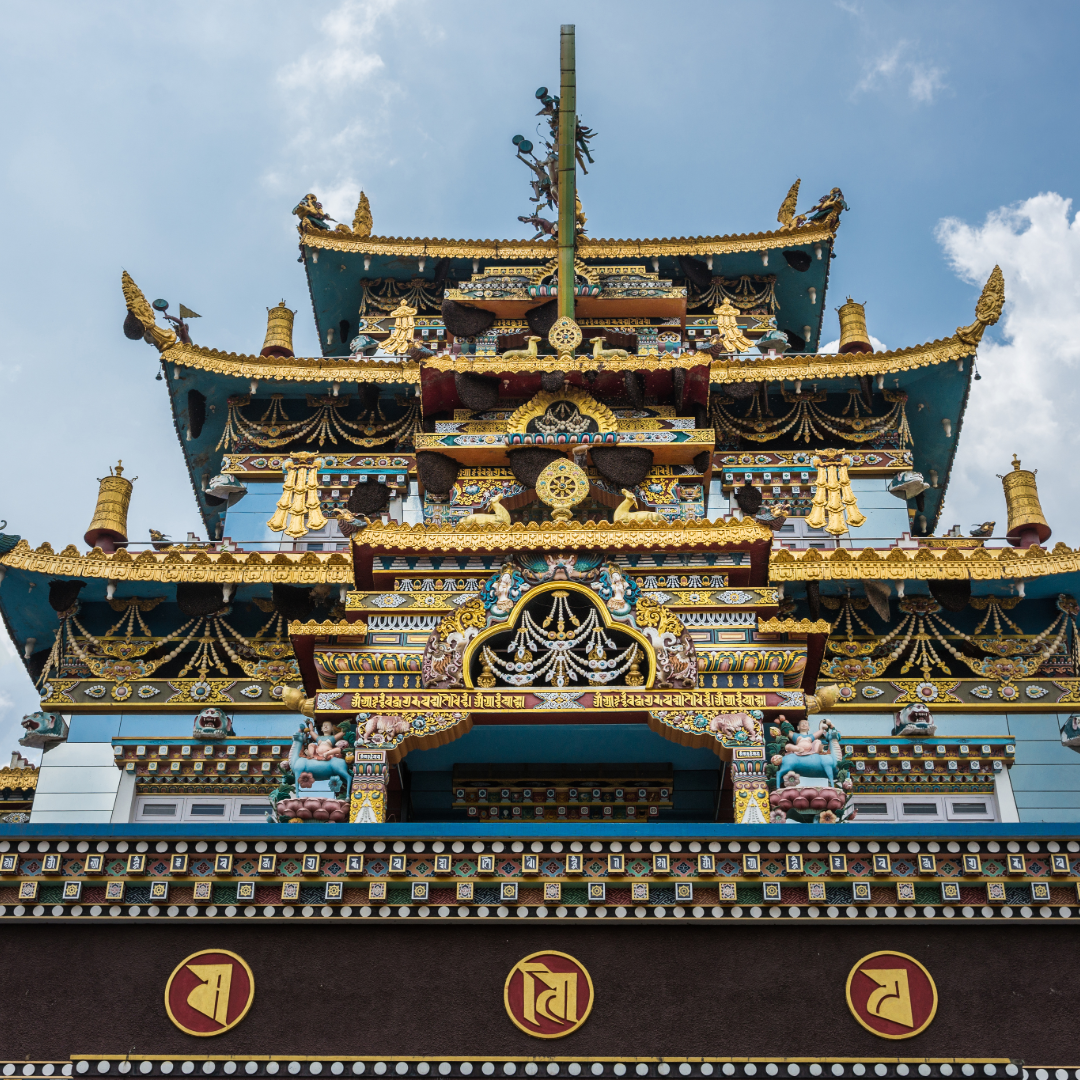
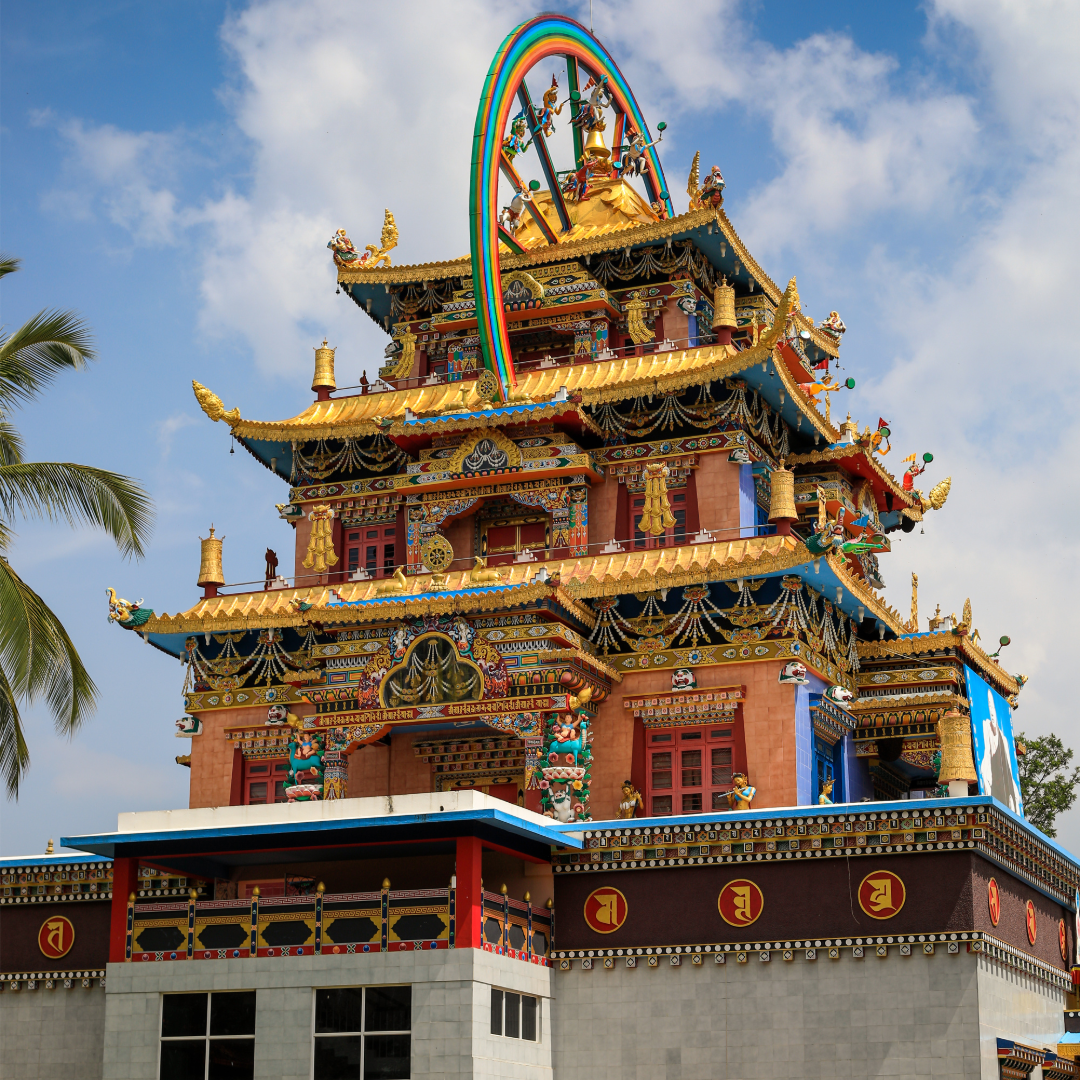
Namdroling Monastery, popularly known as the Golden Temple, is one of the largest Tibetan Buddhist monasteries in India. It is located in Bylakuppe, near Kushalnagar in the state of Karnataka.
Moreover, the monastery is famous for its beautiful Tibetan architecture, peaceful environment, and giant golden Buddha statues. As a result, it attracts thousands of tourists and spiritual seekers every year.
Today, Namdroling Monastery serves as an important center for Buddhist learning and meditation.
Key Facts
- Location: Bylakuppe near Kushalnagar, in Karnataka.
- Also Known As: The Golden Temple of Bylakuppe.
- Founded: 1963.
- Founder: Pema Norbu Rinpoche.
- Religion: Tibetan Buddhism (Nyingma school).
- Main Attraction: Three giant golden statues of Shakyamuni Buddha, Guru Padmasambhava, and Amitayus.
- Significance: One of the largest Tibetan Buddhist monasteries in India.
- Nearby Destination: Close to Madikeri in the Coorg region.
- Best Time to Visit: October to March for pleasant weather.
- Popular For: Tibetan architecture, Buddhist prayer ceremonies, and peaceful surroundings.
4. St. Philomena’s Church
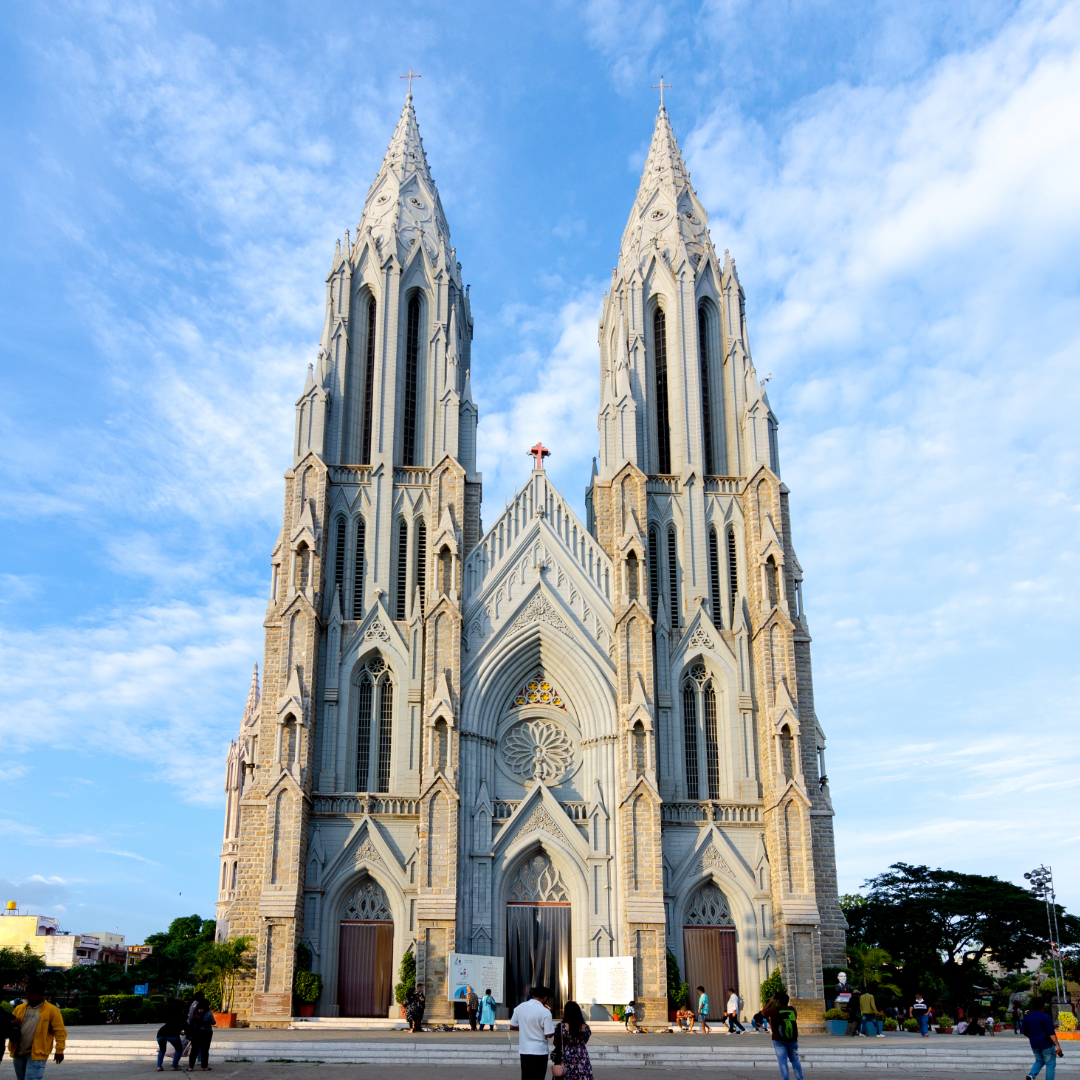
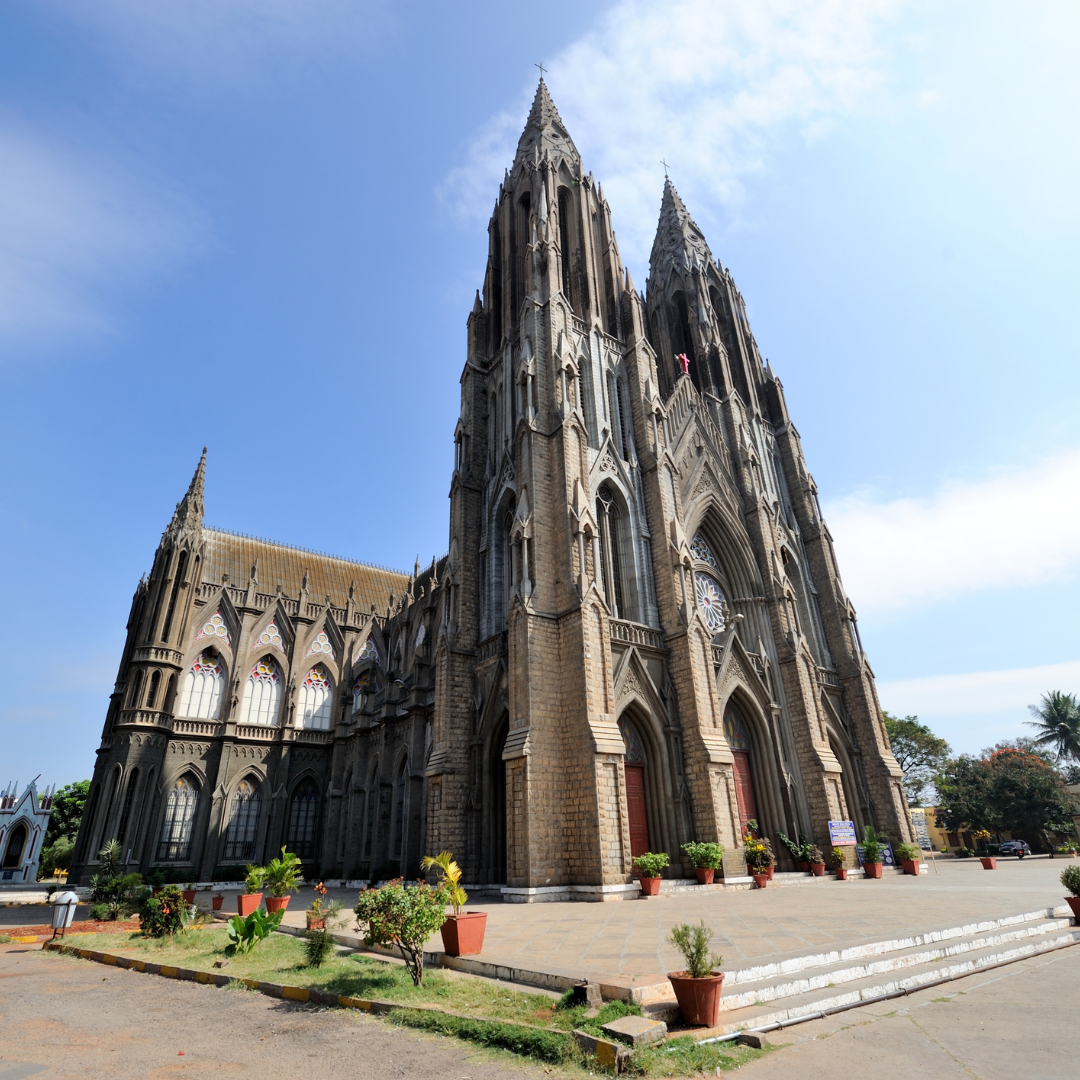

St. Philomena’s Church is one of the most famous landmarks in Mysuru. In fact, it is considered one of the largest churches in India and an important pilgrimage destination for Christians.
Moreover, the church is widely admired for its magnificent Neo-Gothic architecture, which resembles famous European cathedrals. Because of its stunning design and peaceful environment, the church attracts tourists, photographers, and devotees throughout the year.
Key Facts
- Location: Mysuru, Karnataka, India
- Type: Roman Catholic Church
- Year Built: Construction began in 1936
- Founder: Built during the reign of Maharaja Krishnaraja Wadiyar IV
- Architectural Style: Neo-Gothic architecture inspired by European cathedrals
- Height of Towers: Approximately 175 feet (53 meters)
- Religious Significance: Dedicated to Saint Philomena, a Roman Catholic saint
- Church Ranking: One of the largest churches in India
- Architectural Inspiration: Inspired by the famous Cologne Cathedral in Germany
- Special Feature: Beautiful stained glass windows depicting scenes from the life of Jesus Christ
- Underground Chapel: Contains relics believed to belong to Saint Philomena
- Tourism Importance: One of the top tourist attractions in Mysuru
- Nearby Attractions: Close to Mysore Palace and other major landmarks
- Best Time to Visit: October to March
- Major Celebration: Christmas attracts large numbers of visitors and pilgrims
How to Reach Mysuru
Air:
The nearest airport is Mysore Airport.
Train:
Mysuru Railway Station connects the city to Bengaluru and other major cities.
Road:
Frequent buses operate between Bengaluru and Mysuru.
3. Hampi – The City of Ruins
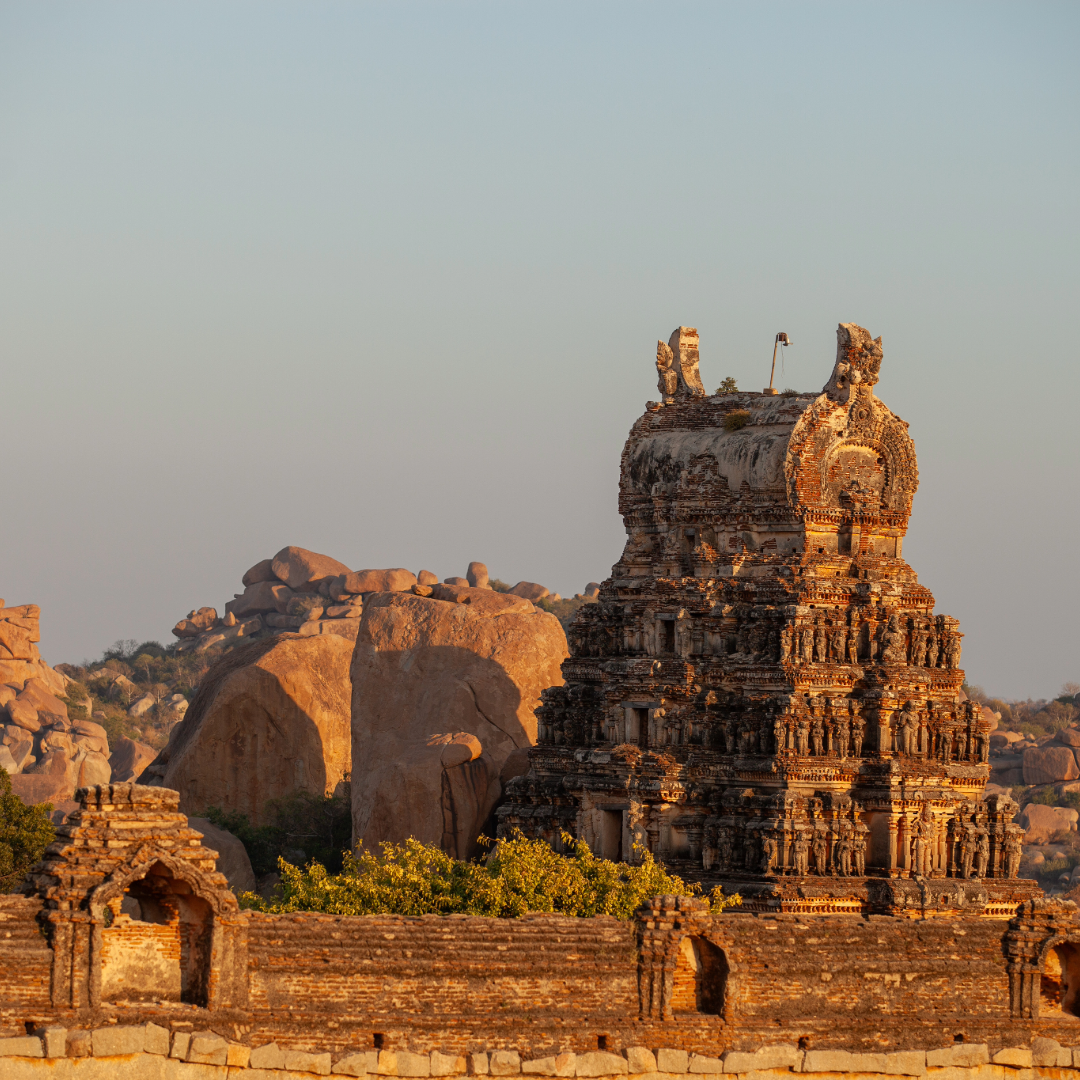


Hampi is an ancient UNESCO World Heritage Site located in northern Karnataka, India. Set along the banks of the Tungabhadra River, it was once the glittering capital of the Vijayanagara Empire, a powerful Hindu kingdom that flourished from the 14th to 16th centuries. Today, its extensive ruins—temples, palaces, markets, and sculptures—make it one of India’s most significant archaeological and cultural destinations.
Key facts
- Location: Vijayanagara district, Karnataka, India
- UNESCO inscription: 1986
- Historical period: 14th–16th centuries CE
- Primary river: Tungabhadra River
- Best time to visit: October–March
Important Places to Visit
1. Virupaksha Temple

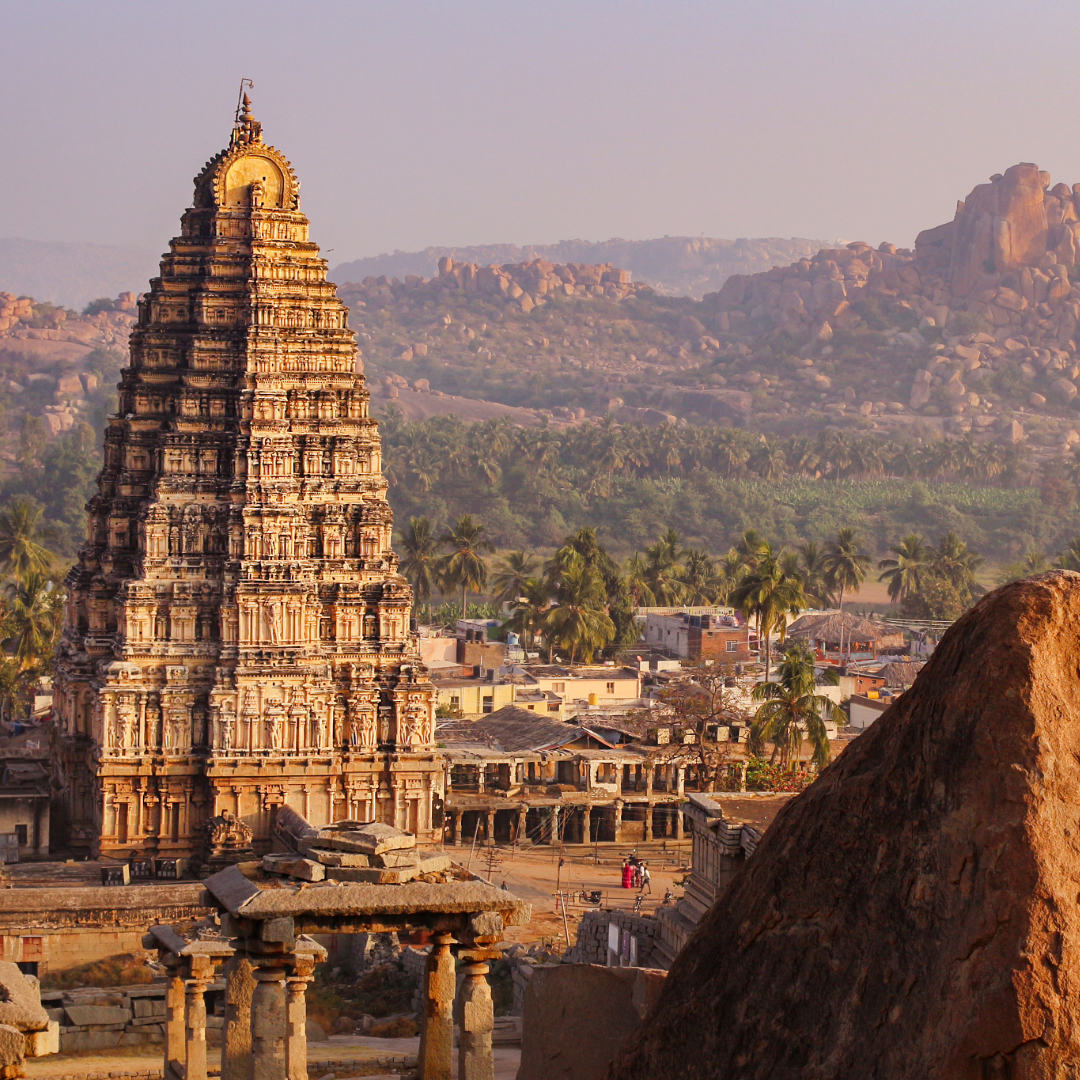

The Virupaksha Temple in Hampi, Karnataka, India, is a 7th-century Hindu temple dedicated to Lord Shiva in his form as Virupaksha (also called Pampapathi). As the spiritual heart of the ruins of Vijayanagara—the capital of a great South Indian empire—it remains a living temple and major pilgrimage site within the UNESCO World Heritage–listed Group of Monuments at Hampi.
Key facts
- Deity: Lord Virupaksha (Shiva) with consort Pampa Devi
- Location: Hampi, Vijayanagara district, Karnataka, India
- Founded: 7th century CE; expanded 13th–16th centuries
- Architectural style: Dravidian / Vijayanagara
- UNESCO designation: Part of Group of Monuments at Hampi (1986)
2. Vittala Temple


The Vittala Temple in Hampi is a 15th-century Dravidian-style temple complex dedicated to Vittala, a form of the Hindu god Vishnu. Celebrated for its intricate stone architecture and “musical pillars,” it epitomizes the artistic excellence of the Vijayanagara Empire and is part of the Group of Monuments at Hampi.
Key facts
- Location: Northeastern Hampi, Karnataka, India
- Built: 15th century CE, expanded under King Krishnadevaraya (r.1509–1529)
- Dedicated to: Lord Vittala (form of Vishnu)
- Architectural style: Dravidian, Vijayanagara period
- UNESCO status: Part of Hampi World Heritage Site (since 1986)
3. Stepped Tank


The Stepped Tank is one of the most fascinating architectural structures located in Hampi. Known for its perfect geometric design and symmetrical steps, the tank is a remarkable example of Vijayanagara engineering and architectural brilliance.
Moreover, the stepped tank is situated inside the Royal Enclosure of Hampi, which was once the administrative center of the Vijayanagara Empire. Today, it is one of the most photographed monuments in Hampi and attracts visitors from around the world.
Key facts
- Location: Hampi, inside the Royal Enclosure complex
- Type: Ancient ceremonial water tank (Pushkarani)
- Historical Period: Built during the Vijayanagara Empire (14th–16th century)
- Construction Material: Precisely cut granite stone blocks
- Architectural Style: Geometric stepped design with symmetrical layers
- Shape: Perfect square-shaped tank with pyramid-like steps
- Purpose: Used for religious rituals, ceremonies, and royal events
- Water Supply System: Connected through an ancient aqueduct system
- Cultural Significance: Part of the Royal Enclosure of Hampi, which was the administrative center of the Vijayanagara Empire
- UNESCO Status: Located within the Hampi World Heritage Site
- Photography Spot: One of the most photographed monuments in Hampi due to its perfect symmetry
- Nearby Attractions: Close to Lotus Mahal, Elephant Stables, and other royal structures
- Best Time to Visit: October to February for pleasant weather
- Visitor Experience: Popular for heritage exploration, architecture study, and photography
4. Lotus Mahal


The Lotus Mahal, often referred to as the Lotus Temple of Hampi, is one of the most elegant architectural structures located in Hampi.
The monument is famous for its lotus-shaped design and beautiful arches. Moreover, Lotus Mahal stands inside the Royal Enclosure area, which was once the administrative and residential complex of the Vijayanagara rulers.
Because of its unique architectural style and historical importance, the Lotus Mahal has become one of the most visited tourist attractions in Hampi.
Key Facts
- Location: Inside the Zenana Enclosure in Hampi, Karnataka
- Type: Royal pavilion / historic monument
- Built During: Vijayanagara Empire (15th–16th century)
- Architectural Style: Unique blend of Indo-Islamic architecture
- Structure Design: Named “Lotus Mahal” because its top resembles a lotus flower
- Floors: Two-storey pavilion structure
- Purpose: Believed to be used as a recreational pavilion for royal women
- Special Feature: Designed with arched windows and corridors for natural ventilation
- Historical Importance: Part of the Royal Enclosure complex of the Vijayanagara kingdom
- UNESCO Status: Located within the Hampi World Heritage Site
- Photography Spot: One of the most photographed monuments in Hampi
- Nearby Attractions: Close to Elephant Stables and Stepped Tank
- Best Time to Visit: October to February for comfortable sightseeing
- Visitor Experience: Popular for heritage tourism, architecture study, and photography
Best Time to Visit Karnataka
The best time to visit Karnataka is October to March, when the weather is pleasant for sightseeing and outdoor activities.
Travel Tips for Karnataka
- Plan your itinerary based on regions (coastal, heritage, hill stations).
- Book accommodations in advance during festivals.
- Carry comfortable footwear for sightseeing.
- Try local cuisines such as Bisi Bele Bath, Mysore Pak, and Mangalorean seafood.
Conclusion
Karnataka offers some of the most fascinating travel experiences in India. From the modern lifestyle of Bengaluru to the royal heritage of Mysuru and the historic ruins of Hampi, the state has something for every traveler.
Whether you are interested in history, nature, culture, or beaches, Karnataka is a destination worth exploring.