Khammam Travel Guide: A Hidden Gem of Telangana
If you’re looking for a destination that blends history, culture, and natural beauty, Khammam is worth your attention. Located in the eastern part of Telangana, this city offers a mix of ancient heritage and modern development, making it an interesting subject for travelers and readers alike.
A Glimpse into Khammam’s Identity
Khammam has long served as a cultural crossroads, influenced by various dynasties including the Kakatiya dynasty and later the Qutb Shahi dynasty. Its strategic location helped shape its architecture, traditions, and linguistic diversity.
The city’s name is believed to have evolved from “Kambham Mettu,” referring to a hill shrine dedicated to Narasimha.
Key Facts About Khammam
Here’s a quick, blog-friendly list of essential facts:
- Location: Eastern Telangana, near the border with Andhra Pradesh
- District Headquarters: Khammam district
- Languages Spoken: Telugu (primary), Urdu, and Hindi
- Climate: Tropical climate with hot summers and moderate winters
- Connectivity: Well-connected by rail and road networks
- Major Attraction: Khammam Fort, over 1,000 years old
- Water Bodies: Lakaram Lake and Munneru River
- Economy: Agriculture (especially paddy and cotton) and trade
- Culture: Rich mix of tribal traditions and mainstream Telugu culture
- Religious Sites: Temples, mosques, and churches coexist harmoniously
Best Places to Visit in Khammam (Travel Guide)
- Khammam Fort – A Historic Marvel
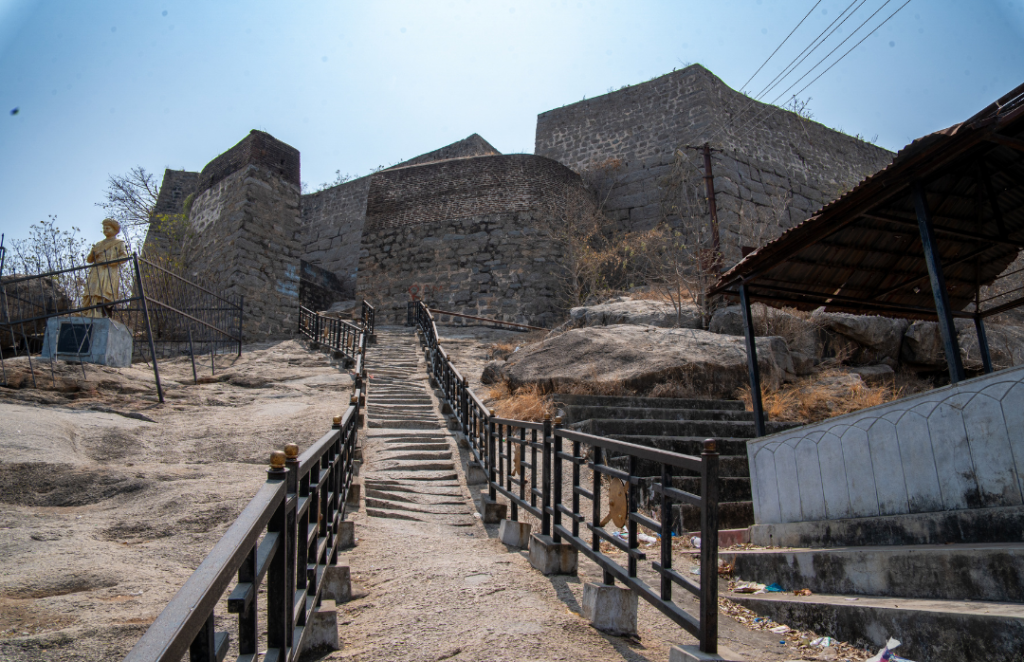
Khammam Fort is one of the most iconic historical structures in the state of Telangana. Standing proudly in the city of Khammam, this fort reflects centuries of architectural brilliance and cultural evolution shaped by multiple dynasties.
Overview
Khammam Fort dates back to the 10th century, originally constructed under the Kakatiya Dynasty. Over time, it was further developed by rulers from the Qutb Shahi Dynasty and later the Asaf Jahi Dynasty.
Built on a massive rock hill, the fort served as a strategic defense point due to its elevated position and robust construction. Today, it stands as a symbol of resilience and heritage.
Key Facts
- Location: Khammam, Telangana, India
- Built in: 10th century
- Original builders: Kakatiya Dynasty
- Later rulers: Qutb Shahi and Asaf Jahi dynasties
- Material: Granite stone
- Structure: Hilltop fort with ~72 bastions
- Access: Long staircase to the top
- Highlight: Panoramic city views
- Significance: Strategic military stronghold
- Present status: Heritage tourist attraction
- Sri Lakshmi Narasimha Swamy Temple, Nacharam
The Sri Lakshmi Narasimha Swamy Temple, Nacharam is a revered Hindu shrine dedicated to Lord Narasimha, an incarnation of Lord Vishnu. Located in Nacharam near Hyderabad, this temple holds deep spiritual significance and attracts devotees seeking protection, prosperity, and relief from hardships.
About the Temple
Nestled in the peaceful locality of Nacharam, the Sri Lakshmi Narasimha Swamy Temple stands as a symbol of divine protection and unwavering faith. The temple is devoted to Lord Narasimha, known for his fierce yet protective form, along with Goddess Lakshmi, representing prosperity and grace.
The serene atmosphere, traditional South Indian temple architecture, and spiritually charged surroundings make it a calming retreat for devotees and visitors alike. The temple becomes especially vibrant during festivals when rituals, decorations, and devotional activities fill the space with energy and devotion.
Many believe that offering prayers here helps overcome fear, obstacles, and negative influences. Whether you are a spiritual seeker or a cultural explorer, this temple offers a meaningful and enriching experience.
Key Facts
- Location: Nacharam, near Hyderabad, Telangana, India
- Main Deity: Lord Narasimha (incarnation of Lord Vishnu) with Goddess Lakshmi
- Temple Type: Hindu temple following Vaishnavite traditions
- Spiritual Significance: Believed to remove fear, protect devotees, and bring prosperity
- Architecture: Traditional South Indian temple design with a sanctum and mandapam
- Popular Festival: Narasimha Jayanti (celebrating the appearance of Lord Narasimha)
- Best Time to Visit: Early mornings, evenings, and festival days
- Atmosphere: Calm, devotional, and family-friendly
- Nearby City: Hyderabad (well connected by road)
- Kinnerasani Dam & Wildlife Sanctuary
Overview
Located in the scenic region of Telangana, the Kinnerasani Dam and the surrounding Kinnerasani Wildlife Sanctuary together form a serene eco-tourism destination. Nestled near the town of Palvancha in Bhadradri Kothagudem district, this area offers a mix of natural beauty, biodiversity, and peaceful retreat from city life.
Kinnerasani Dam
About the Dam
Built across the Kinnerasani River, a tributary of the Godavari River, this dam serves irrigation and water storage purposes. Surrounded by lush green hills, it creates a tranquil reservoir that attracts tourists, photographers, and nature lovers.
Experience
The calm waters combined with forested hills make it a perfect spot for:
- Sunset and sunrise views
- Picnics and relaxation
- Nature photography
Kinnerasani Wildlife Sanctuary
About the Sanctuary
Spread over dense forest terrain, this sanctuary is rich in teak, bamboo, and mixed deciduous vegetation. It is home to a variety of wildlife and bird species, making it an excellent spot for eco-tourism.
Flora & Fauna
You can encounter:
- Animals: Deer, wild boar, nilgai, and occasionally leopards
- Birds: Peacocks, partridges, and various migratory species
- Vegetation: Teak forests and bamboo clusters
Key Facts
- Location: Near Palvancha, Bhadradri Kothagudem district, Telangana
- River: Built on Kinnerasani River (tributary of Godavari)
- Type: Dam + Wildlife Sanctuary combination
- Sanctuary Area: Rich deciduous forest ecosystem
- Wildlife: Deer, wild boar, birds, occasional big cats
- Best For: Nature photography, bird watching, eco-tourism
- Best Time to Visit: October to March
- Accessibility: Well connected by road from nearby towns
- Highlight: Scenic reservoir with hill backdrop
- Parnasala – Mythological & Scenic Escape
Parnasala is a serene and culturally rich village located near Bhadrachalam, along the banks of the sacred Godavari River. Steeped in mythology and natural beauty, it draws pilgrims, history enthusiasts, and nature lovers alike.
Attractions in Parnasala
- Sita Rama Lakshmana Temple – Features idols depicting their exile life
- Ravana Abduction Site – Marked by sculptures narrating the event
- Godavari River Banks – Ideal for scenic views and relaxation
- Parnasala Huts – Reconstructed huts symbolizing the forest dwelling of Rama
Key Facts
- Location: Near Bhadrachalam, about 35 km away
- Religious Importance: Linked to events from the Ramayana
- River: Situated on the banks of the Godavari River
- Environment: Dense forests and calm, rural setting
- Mythological Event: Believed site of Sita’s abduction by Ravana
- Pilgrimage Spot: Popular among devotees visiting Bhadrachalam Temple
- Accessibility: Easily reachable by road from nearby towns
- Best For: Spiritual tourism, photography, and nature retreats
- Best Time to Visit: October to February for pleasant weather
- Bogatha Waterfall – Telangana’s Niagara
Nestled deep within the forests of the Eturnagaram Wildlife Sanctuary, Bogatha Waterfall is one of the most picturesque natural attractions in the state of Telangana. Often called the “Niagara of Telangana”, it is known for its wide cascade, serene surroundings, and relatively untouched beauty.
Located near the village of Cheekupally in the Mulugu district, this waterfall offers a perfect escape into nature, especially for those seeking peace away from crowded tourist spots.
Key Facts
- Location: Near Cheekupally village, Mulugu district, Telangana
- Nickname: “Niagara of Telangana”
- Forest Area: Inside Eturnagaram Wildlife Sanctuary
- Distance from Warangal: ~120 km
- Accessibility: Motorable road + short walk/trek
- Best Time to Visit: July to November (monsoon & post-monsoon)
- Ideal Visit Duration: 2–4 hours
- Entry Fee: Usually minimal or free (may vary locally)
- Activities: Photography, nature walks, light trekking, picnics
- Safety Tip: Rocks can be slippery during monsoon
- Bhadrachalam – A Spiritual Day Trip
Bhadrachalam is a revered pilgrimage town located on the banks of the Godavari River in the state of Telangana. Known for its deep spiritual significance, it is often called the “Ayodhya of the South” due to its strong association with Lord Rama.
Overview
Bhadrachalam blends mythology, history, and natural beauty. It attracts thousands of devotees and tourists every year, especially during religious festivals. The town is peaceful, surrounded by forested hills and the flowing Godavari, giving it both spiritual and scenic charm.
Key Facts
- Located in Telangana, near the border with Andhra Pradesh
- Famous for Sri Sita Ramachandra Swamy Temple
- Situated on the banks of the Godavari River
- Strong connection with the Ramayana
- Major pilgrimage center for devotees of Lord Rama
- Hosts grand Sri Rama Navami celebrations annually
- Surrounded by forests and scenic landscapes
- Temple history dates back to the 17th century
- Well-connected by road from cities like Hyderabad and Khammam
How to Reach Khammam
Reaching Khammam is quite convenient since it’s well connected by road, rail, and nearby airports. Here’s a clear guide:
1. By Train (Best Option)
- Main station: Khammam Railway Station
- Lies on the busy Delhi–Chennai railway line
- Well connected to major cities like Hyderabad, Vijayawada, Warangal, and Chennai
Why choose train?
Frequent trains, affordable fares, and comfortable journey.
2. By Road (Easy & Flexible)
- Connected via NH-365A & state highways
- Approx distances:
- From Hyderabad: ~200 km (4–5 hours)
- From Vijayawada: ~120 km (2.5–3 hours)
- Options:
- TSRTC buses (frequent and budget-friendly)
- Private buses & taxis
- Self-drive (good roads)
Best for: Flexible timing and short-distance travel.
3. By Air (Nearest Airports)
Nearest airports:
- Rajiv Gandhi International Airport (~200 km)
- Vijayawada Airport (~120 km)
From the airport, you can take:
- Taxi / cab
- Bus
- Train (from nearby railway stations)
Best for: Travelers coming from distant cities.
Best Time to Visit Khammam
1. Ideal Season: October to March (Winter & Early Spring)
- This is the best time overall to visit.
- Weather is pleasant and comfortable (≈15°C–30°C), perfect for sightseeing.
- Ideal for exploring attractions like forts, temples, and lakes.
- Peak tourist months are November to February with the most enjoyable climate.
If you want the most comfortable trip, plan between December and February.
2. Winter (October – March) → Best Time
- Cool, dry, and enjoyable weather
- Great for outdoor activities and travel
- Clear skies and greenery after monsoon
Recommended for: Tourism, family trips, photography
3. Monsoon (June – September) → Good for Nature Lovers
- Moderate to heavy rainfall brings lush greenery
- Waterfalls and lakes look beautiful
- Travel can be affected by rains
Recommended for: Scenic beauty, waterfalls
Caution: Occasional travel disruptions due to rain
4. Summer (March – May) → Avoid if Possible
- Temperatures can reach 40–45°C+
- Very hot and uncomfortable for sightseeing
Not ideal unless necessary
What to Eat in Khammam (Travel Guide)
As part of this Khammam travel guide, exploring the local food scene is a must. While discovering the city, don’t miss:
- Telangana-style spicy curries
- Bamboo chicken (a popular local specialty)
- Traditional sweets and snacks
This Khammam travel guide wouldn’t be complete without experiencing the authentic flavors that make the region unique.
Final Thoughts
Khammam may not yet be on every tourist map, but that’s exactly what makes it special. This Khammam travel guide explores everything from historic forts to scenic waterfalls and spiritual temples, offering a refreshing mix of experiences without the chaos of big cities.
If you’re planning your next trip in Telangana, this Khammam travel guide will help you discover why it deserves a spot on your list.