Ahmedabad Travel Guide – The Heritage City of India


Introduction
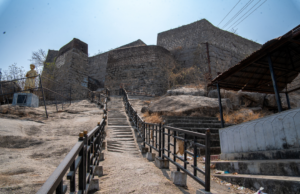
Ahmedabad is the largest city in the Indian state of Gujarat and one of India’s most vibrant cultural, historical, and commercial destinations. Located on the banks of the Sabarmati River, Ahmedabad beautifully blends rich heritage with rapid urban development. The city is famous for its UNESCO World Heritage City status, traditional architecture, colorful markets, delicious Gujarati cuisine, and modern infrastructure.
Founded in 1411 by Sultan Ahmed Shah, Ahmedabad has grown into a major center for textiles, education, business, and tourism. From centuries-old mosques and stepwells to modern riverfront attractions and bustling shopping streets, the city offers experiences for every type of traveler.
Key Facts About Ahmedabad
1. Ahmedabad is India’s First UNESCO World Heritage City
In 2017, Ahmedabad became the first city in India to receive the UNESCO World Heritage City title because of its remarkable architecture, historic pols (traditional housing clusters), and cultural heritage.
2. Located on the Banks of the Sabarmati River
The city is situated along the Sabarmati River, which is home to the famous Sabarmati Riverfront — a modern urban development project featuring gardens, walking tracks, boating, and recreational spaces.
3. Home to Sabarmati Ashram
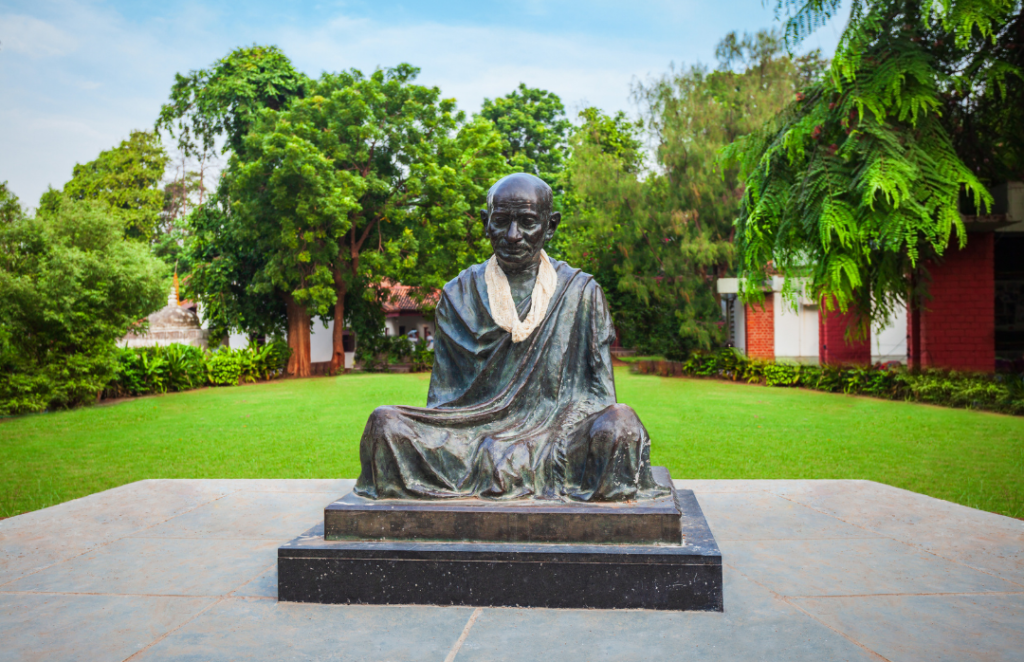
Sabarmati Ashram was the residence of Mahatma Gandhi from 1917 to 1930 and played an important role in India’s freedom movement. It remains one of the city’s most visited historical landmarks.
4. Famous for Traditional Pol Architecture
The old city of Ahmedabad is known for its “Pols,” which are closely connected residential neighborhoods featuring carved wooden houses, narrow lanes, hidden courtyards, and community living traditions.
5. A Paradise for Food Lovers
Ahmedabad is widely loved for its street food and authentic Gujarati cuisine. Popular dishes include:
- Dhokla
- Khandvi
- Fafda-Jalebi
- Thepla
- Sev Usal
- Gujarati Thali
6. Major Textile and Business Hub
Ahmedabad is often called the “Manchester of India” because of its strong textile industry. The city is also a growing center for startups, commerce, pharmaceuticals, and manufacturing.
7. Rich Cultural Festivals
The city celebrates festivals with great enthusiasm, especially:
- Uttarayan (International Kite Festival)
- Navratri
- Diwali
- Rath Yatra
The International Kite Festival attracts visitors from around the world every January.
Top Tourist Places in Ahmedabad according to Ahmedabad Travel Guide
1. Sabarmati Ashram


Introduction
Located on the peaceful banks of the Sabarmati River in Ahmedabad, Sabarmati Ashram is one of India’s most iconic historical landmarks to be included in ahmedabad travel guide. Also known as the Gandhi Ashram or Harijan Ashram, it served as the residence of Mahatma Gandhi from 1917 to 1930 and became a major center for India’s freedom movement.
The ashram is not just a tourist attraction but also a symbol of truth, non-violence, simplicity, and self-reliance. Visitors from around the world come here to experience the peaceful environment and learn about Gandhi’s life and philosophy.
Main Attractions Inside Sabarmati Ashram
Hriday Kunj
Hriday Kunj was the residence of Mahatma Gandhi and his wife Kasturba Gandhi. This simple cottage contains Gandhi’s personal items, including his spinning wheel, writing desk, and daily-use objects.
Gandhi Museum
The museum displays rare photographs, manuscripts, letters, and documentaries related to Gandhi’s life and India’s freedom movement. It gives visitors a deeper understanding of Gandhi’s philosophy and leadership.
Magan Niwas
This section is dedicated to Maganlal Gandhi, who played an important role in promoting khadi and village industries.
Vinoba Kutir
Named after Vinoba Bhave, this peaceful cottage reflects the simplicity and spiritual values practiced at the ashram.
Sabarmati Riverfront View
The ashram offers beautiful views of the Sabarmati River, creating a calm and relaxing atmosphere for visitors.
Key Facts About Sabarmati Ashram
- Established in 1917 by Mahatma Gandhi
- Located on the banks of the Sabarmati River in Ahmedabad
- Also known as Gandhi Ashram and Harijan Ashram
- Served as Gandhi’s residence for about 13 years
- Starting point of the historic Dandi Salt March in 1930
- Promotes the values of truth, non-violence, and self-reliance
- Houses Gandhi’s personal belongings, letters, and photographs
- Entry to the ashram is generally free for visitors
- One of the most visited historical attractions in Gujarat
- Best visited during the winter season (October to March)
2. Kankaria Lake

Introduction
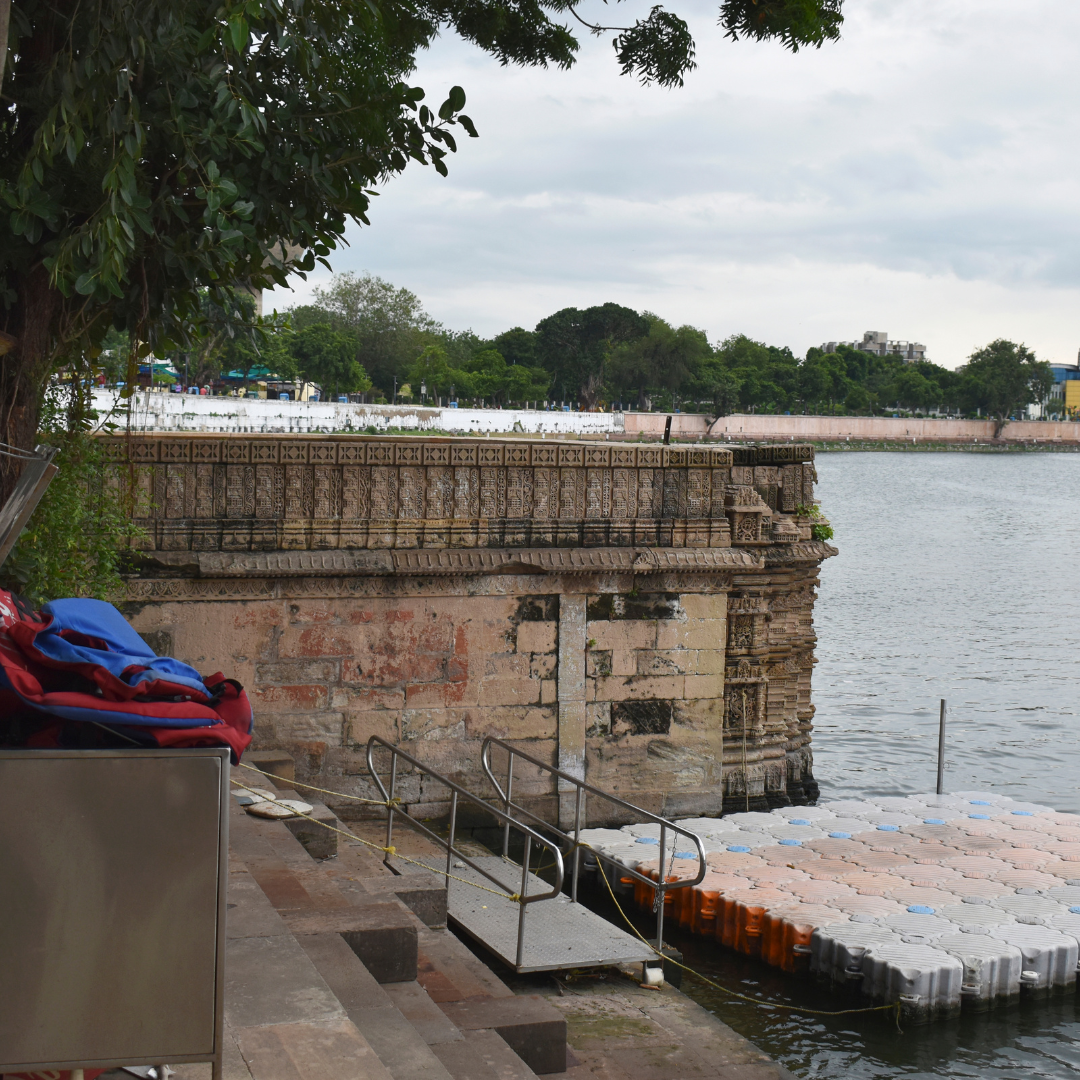
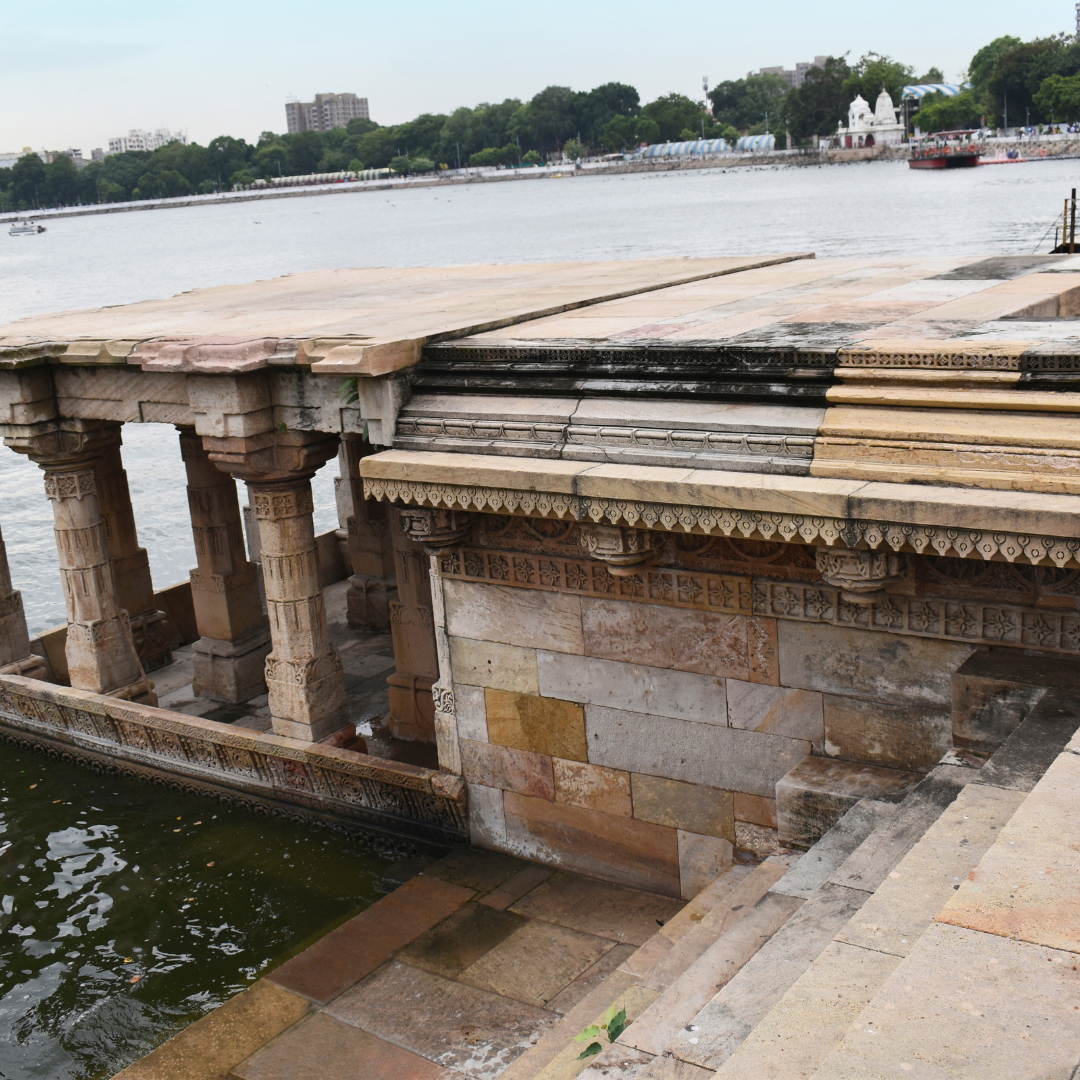
Located in the southern part of Ahmedabad, Kankaria Lake is one of the city’s most famous tourist attractions and recreational hubs. Known for its scenic beauty, vibrant atmosphere, and family-friendly activities, the lake attracts thousands of visitors every day which makes its way into the list of ahmedabad travel guide. Whether you are looking for a peaceful evening walk, exciting rides, or cultural experiences, Kankaria Lake offers something for everyone.
Originally built in the 15th century during the reign of Sultan Qutb-ud-Din Ahmad Shah II, the lake has transformed into a modern entertainment destination while preserving its historical charm.
History of Kankaria Lake
Kankaria Lake was constructed in 1451 and was initially known as “Hauz-e-Qutub.” It served as a royal bathing and leisure spot for the sultans of Ahmedabad. Over the centuries, the lake became an important landmark of the city.
Today, after major redevelopment projects by the Ahmedabad Municipal Corporation, Kankaria Lake has evolved into a world-class waterfront destination featuring entertainment zones, gardens, food courts, and cultural attractions.
Top Attractions at Kankaria Lake
1. Kankaria Lakefront
The beautifully developed circular promenade around the lake is perfect for walking, jogging, and enjoying stunning sunset views.
2. Toy Train Ride
One of the biggest attractions for families and children is the toy train that circles the lake, offering panoramic views of the surroundings.
3. Kamla Nehru Zoological Garden
Popularly known as Kankaria Zoo, this zoo houses a variety of animals, birds, and reptiles, making it an educational and fun experience for visitors.
4. Balloon Safari
The tethered balloon ride provides breathtaking aerial views of Ahmedabad and the lakefront area.
5. Kids City
An interactive educational entertainment center where children can role-play different professions and learn through activities.
6. Water Rides and Adventure Activities
Boating, water rides, and adventure sports add excitement for thrill-seekers visiting the lake.
Key Facts About Kankaria Lake
- Located in the Maninagar area of Ahmedabad, Gujarat
- Built in the year 1451
- Originally called Hauz-e-Qutub
- Constructed by Sultan Qutb-ud-Din Ahmad Shah II
- One of the largest lakes in Ahmedabad
- Famous for its circular lakefront promenade
- Features attractions like zoo, toy train, balloon safari, and Kids City
- Popular destination for families, tourists, and fitness enthusiasts
- Hosts the famous Kankaria Carnival every year in December
- Beautifully illuminated during evenings and festivals
- Entry fee is affordable for visitors
- Best visited during winter and evening hours
3. Adalaj Stepwell

Introduction
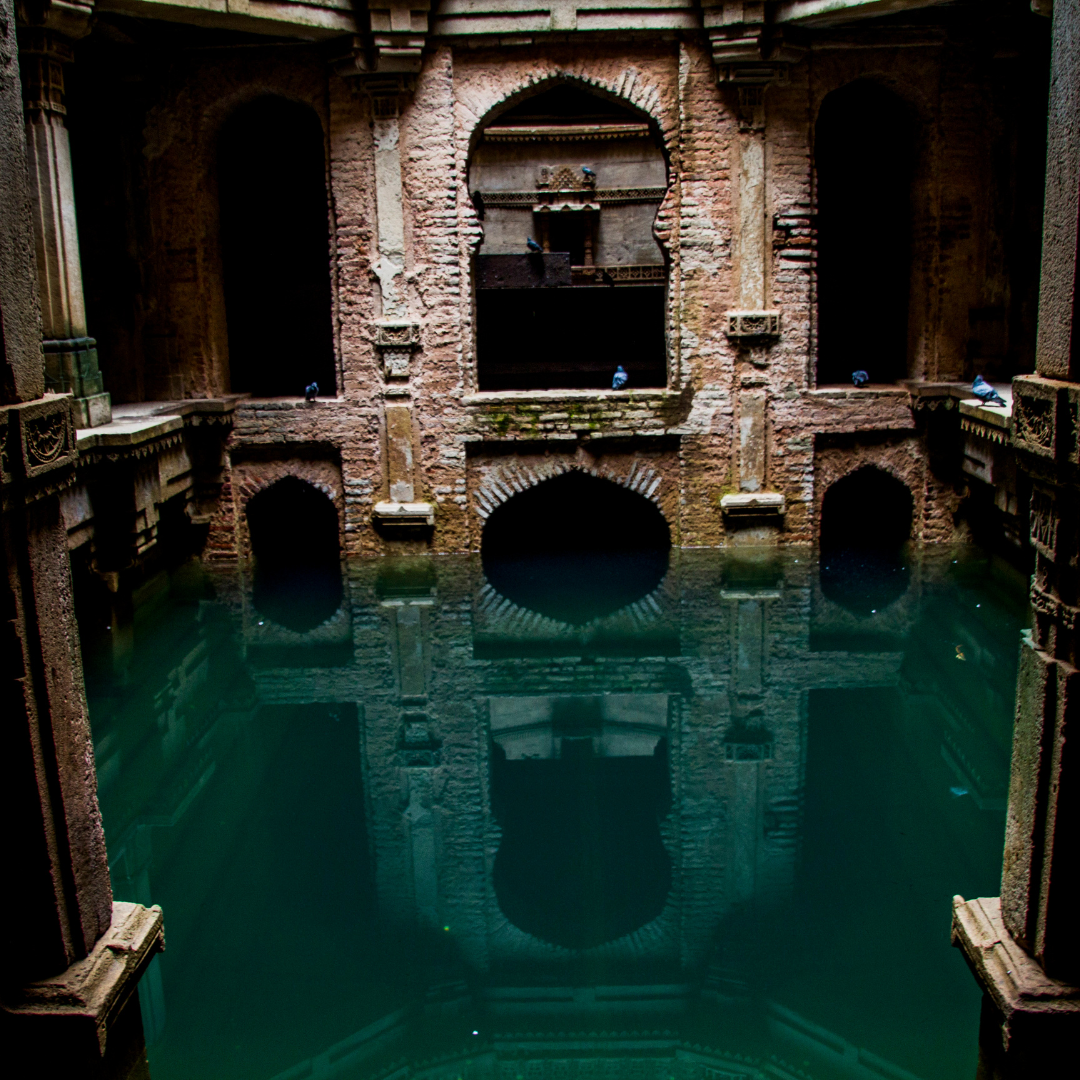
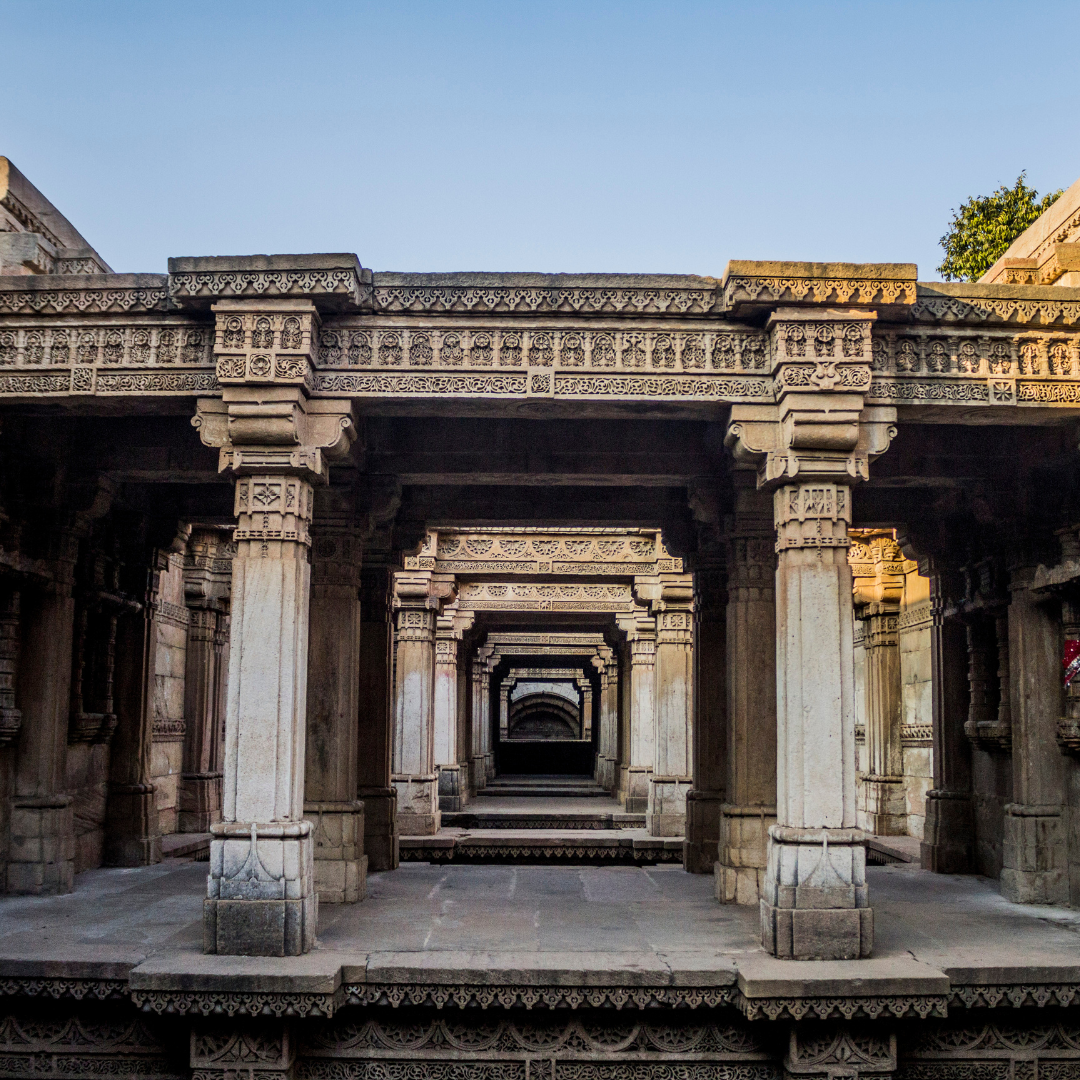
Located around 18 km from Ahmedabad, the historic Adalaj Stepwell is one of Gujarat’s most fascinating architectural landmarks which is included in Ahmedabad travel guide . Also known as Adalaj ni Vav, this five-story stepwell was built in 1498 and beautifully combines Indo-Islamic architecture with intricate craftsmanship. Originally designed as a water storage system and resting place for travelers, today it stands as a major tourist attraction and an important symbol of Gujarat’s rich heritage.
The stepwell is famous for its detailed carvings, stunning pillars, and cool underground structure that provides relief from the scorching heat. Visitors are often amazed by the symmetry, artistic patterns, and the peaceful atmosphere inside the monument.
Architecture and Design
The architecture of Adalaj Stepwell reflects a unique blend of Hindu and Islamic styles. The structure extends five stories deep into the ground and is supported by beautifully carved pillars and platforms.
Highlights of the Architecture:
- Intricate floral and geometric carvings
- Detailed sculptures of mythological scenes
- Octagonal opening at the top for natural light
- Underground cooling effect
- Sandstone construction with artistic detailing
- Symmetrical design with interconnected stairways
The stepwell was designed not only to conserve water but also to serve as a social and spiritual gathering place for locals and travelers.
Key Facts About Adalaj Stepwell
- Located in Adalaj village near Ahmedabad, Gujarat
- Built in the year 1498
- Also known as Adalaj ni Vav
- Constructed by Queen Rudabai
- Five-story deep stepwell
- Famous for Indo-Islamic architecture
- Made using sandstone
- Designed for water conservation and social gatherings
- Popular heritage and photography destination
- One of Gujarat’s most iconic historical monuments
4. Sabarmati Riverfront


Introduction
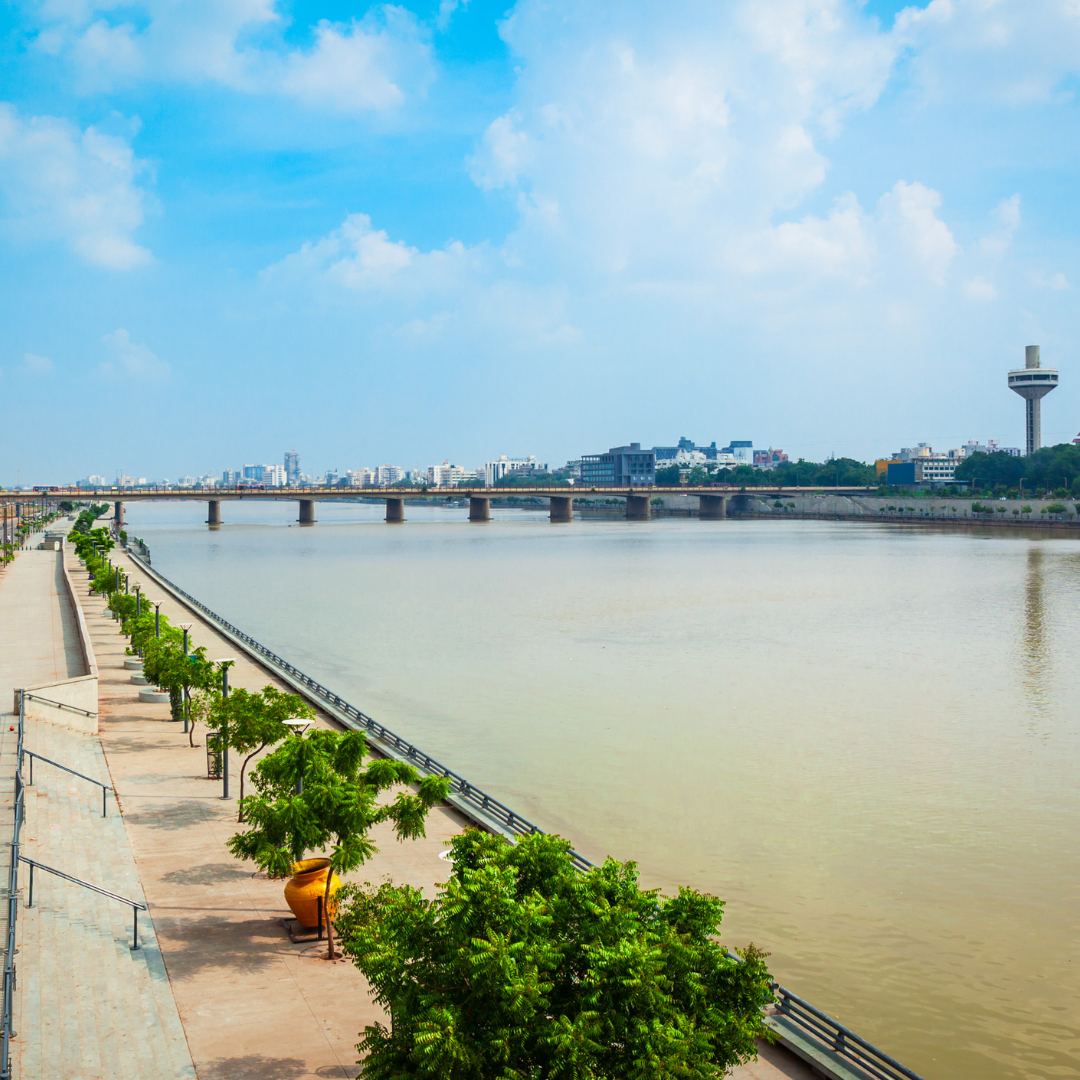
The Sabarmati Riverfront is one of the most iconic urban development projects in Ahmedabad. Developed along the banks of the Sabarmati River, this beautifully designed waterfront has transformed the city into a vibrant destination for tourism, recreation, culture, and leisure. Stretching across both sides of the river, the riverfront combines scenic beauty with modern infrastructure which is included in Ahmedabad travel guide, making it a must-visit attraction for travelers and locals alike.
Visitors can enjoy peaceful walking and cycling tracks, lush gardens, boating activities, food stalls, event spaces, and stunning views of the city skyline. The riverfront also hosts cultural festivals, marathons, exhibitions, and public events throughout the year, making it a lively hub of activity.
The project has not only enhanced the beauty of Ahmedabad but has also improved environmental conditions, reduced flooding issues, and created large public spaces for community engagement. Whether you are looking for a relaxing evening stroll, a photography spot, or a family outing, Sabarmati Riverfront offers a refreshing experience in the heart of the city.
Best Things to Do at Sabarmati Riverfront
Enjoy a Scenic Walk
The beautifully maintained pathways along the river are perfect for morning and evening walks with relaxing river views.
Try Boating Activities
Visitors can enjoy speed boating, pedal boating, and river cruises for a memorable experience.
Capture Stunning Photographs
The riverfront offers excellent photography spots, especially during sunset and nighttime illumination.
Attend Cultural Events
Many festivals, exhibitions, yoga sessions, and public events are organized here throughout the year.
Relax with Family & Friends
Gardens, open seating spaces, and food areas make it an ideal hangout destination for families and groups.
Key Facts About Sabarmati Riverfront
- Located on the banks of the Sabarmati River in Ahmedabad, Gujarat
- One of India’s largest and most successful waterfront development projects
- Developed to improve urban infrastructure and river conservation
- Features wide promenades for walking, jogging, and cycling
- Offers boating and river cruise activities for visitors
- Home to gardens, parks, seating areas, and recreational zones
- Popular venue for festivals, cultural events, exhibitions, and marathons
- Beautifully illuminated during evenings with scenic city views
- Ideal destination for photography, family outings, and leisure activities
- Easily accessible from major tourist attractions in Ahmedabad
- Best visited during the evening or winter season for pleasant weather
- Attracts thousands of tourists and locals every day
- Includes dedicated spaces for food stalls and local snacks
- Helps control flooding and supports environmental sustainability
- Considered a major landmark and pride of Ahmedabad city
5. Jama Masjid
Introduction
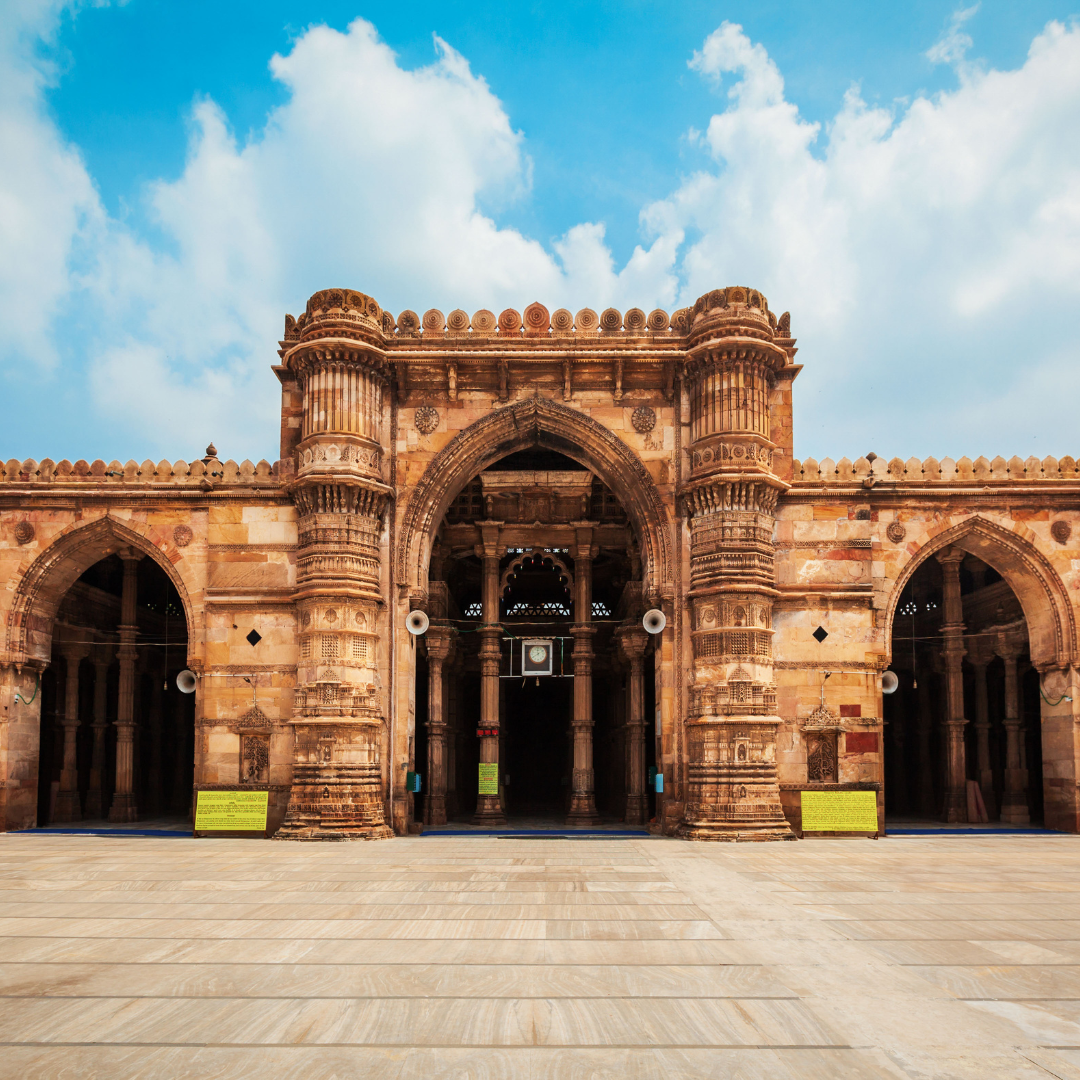
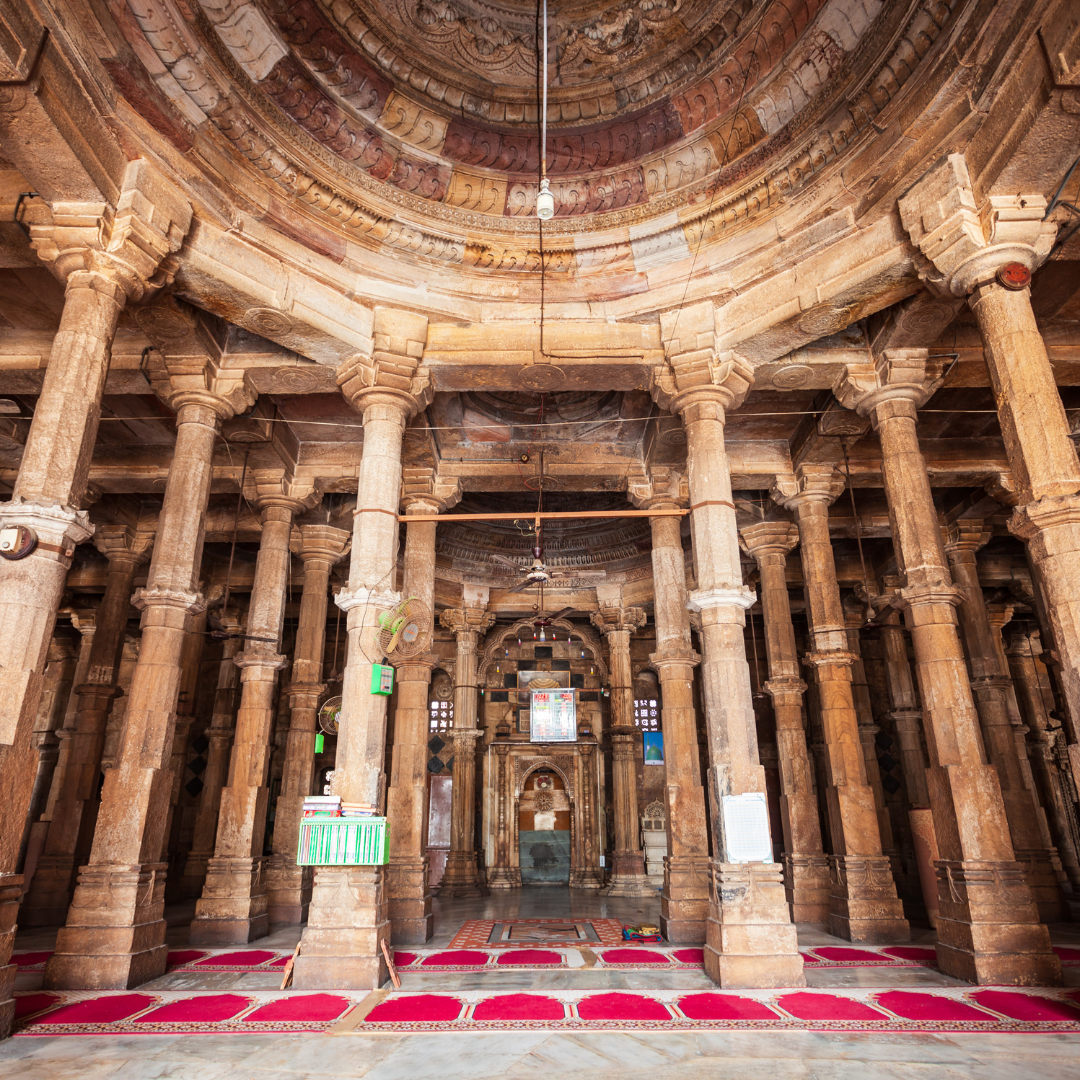
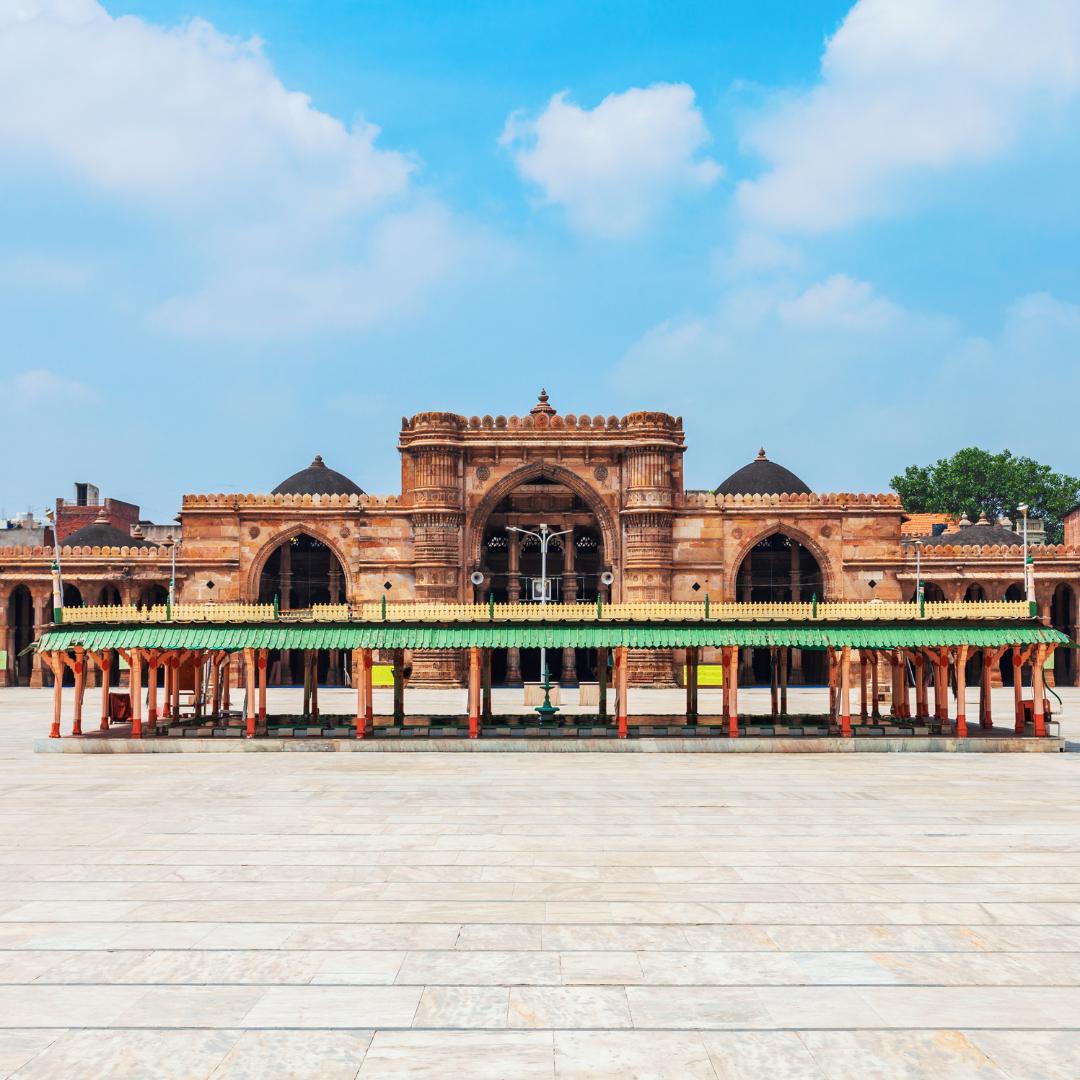
Located in the heart of the old city of Ahmedabad, Jama Masjid is one of the finest examples of Indo-Islamic architecture in India. Built in 1424 by Sultan Ahmed Shah I, the founder of Ahmedabad, this historic mosque reflects a beautiful blend of Islamic, Hindu, and Jain architectural styles. With its grand courtyard, intricately carved pillars, and peaceful atmosphere, Jama Masjid remains one of the top heritage attractions in Ahmedabad.
The mosque was originally constructed as the main congregational mosque for the city during the Gujarat Sultanate period. Even today, it continues to be an active place of worship while attracting tourists, photographers, and history lovers from around the world.
Architecture of Jama Masjid
The architecture of Jama Masjid is what makes it truly special. The mosque is built using yellow sandstone and is known for its symmetry, detailed carvings, and vast open courtyard.
Key Architectural Highlights
- Massive courtyard capable of accommodating thousands of worshippers
- Beautifully carved sandstone pillars
- Central prayer hall supported by over 250 columns
- Indo-Islamic fusion architecture with Hindu and Jain influences
- Elegant domes and arches with intricate detailing
- Marble flooring and serene prayer spaces
- Historic water tank in the center courtyard for ablutions
One of the most fascinating aspects of the mosque is the “shaking minarets,” which were partially damaged during earthquakes but were once famous for their vibration effect.
Key Facts About Jama Masjid
- Built in: 1424 AD
- Founder: Sultan Ahmed Shah I
- Location: Old City, Ahmedabad, Gujarat
- Architectural Style: Indo-Islamic Architecture
- Construction Material: Yellow Sandstone
- Famous For: Intricate carvings and massive courtyard
- Number of Pillars: More than 250
- Religious Importance: Major Friday mosque of Ahmedabad
- Nearby Attractions: Manek Chowk, Bhadra Fort, Teen Darwaza
- UNESCO Connection: Located near the UNESCO World Heritage City area of Ahmedabad
6. Sidi Saiyyed Mosque


Introduction
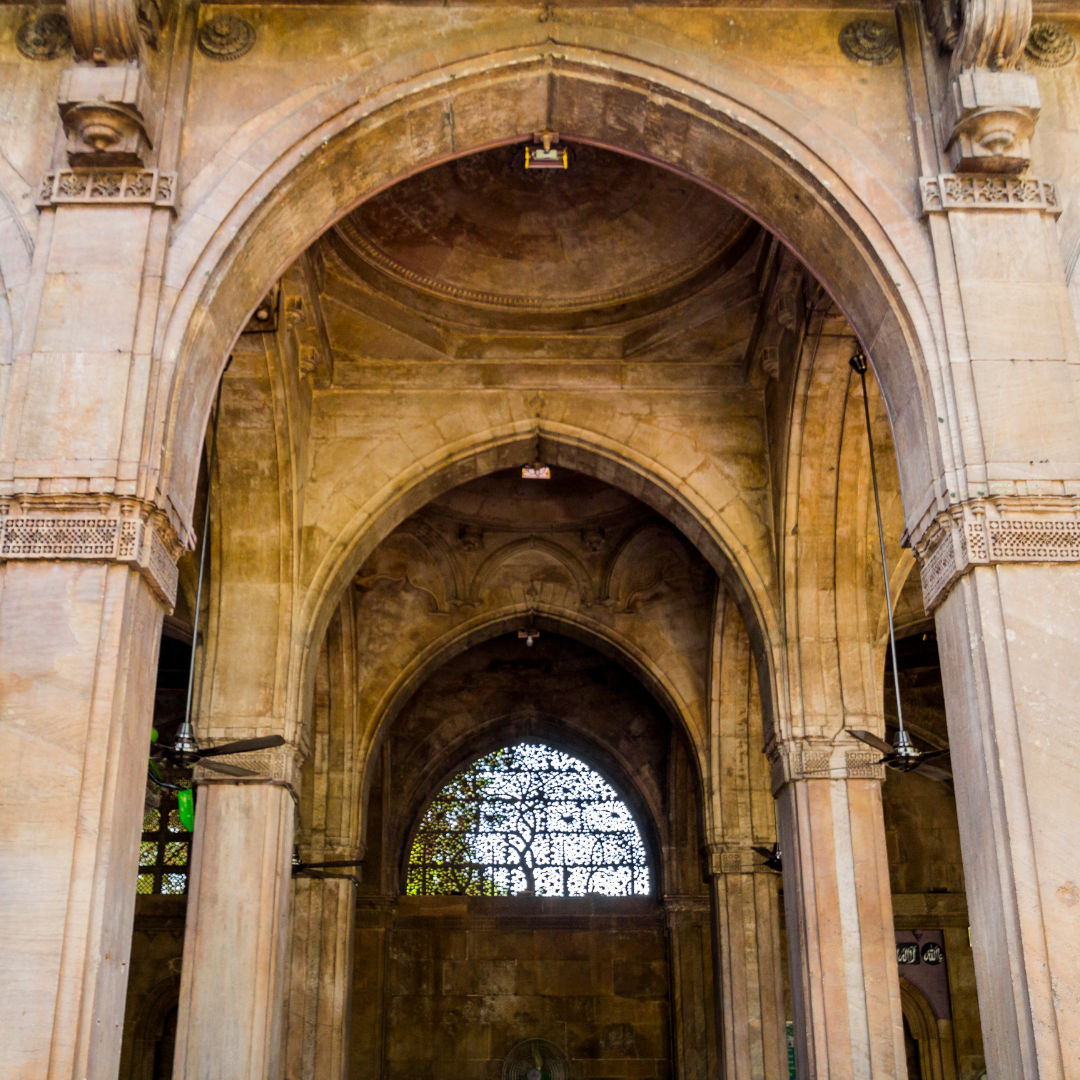
Located in the heart of Ahmedabad, the Sidi Saiyyed Mosque is one of the most celebrated historical landmarks in Gujarat. Famous for its breathtaking stone latticework, especially the world-renowned “Tree of Life” window, this mosque represents the artistic brilliance of Indo-Islamic architecture. Built during the final years of the Gujarat Sultanate, it continues to attract history lovers, architecture enthusiasts, photographers, and tourists from around the world.
Architectural Beauty of Sidi Saiyyed Mosque
The mosque is built using yellow sandstone and reflects a blend of Islamic and Gujarati architectural styles. The highlight of the monument is the beautifully carved rear windows featuring intertwined trees, leaves, and palm motifs.
The famous “Tree of Life” jali has become a visual identity of Ahmedabad and is even associated with prestigious institutions such as Indian Institute of Management Ahmedabad.
Key Facts About Sidi Saiyyed Mosque
- Located in the Lal Darwaza area of Ahmedabad, Gujarat
- Built in the year 1572–73
- Constructed by Sidi Saiyyed, an Abyssinian nobleman
- Famous for the iconic “Tree of Life” stone lattice window
- Represents Indo-Islamic architectural style
- Made using finely carved yellow sandstone
- One of the most photographed monuments in Ahmedabad
- Symbol of Ahmedabad’s cultural heritage
- Popular attraction for history lovers and architecture enthusiasts
- Close to major attractions like Bhadra Fort and Teen Darwaza
- Entry to the mosque is generally free for visitors
- Best visited during early morning or evening for photography
7. Science City Ahmedabad
Located in the vibrant city of Ahmedabad, Gujarat Science City is one of India’s largest and most modern science education and entertainment destinations. Designed to promote scientific awareness through interactive exhibits, immersive experiences, and innovative attractions, Science City has become a must-visit destination for families, students, tourists, and technology enthusiasts.
Spread across a massive campus, the attraction combines education with entertainment, offering visitors an exciting opportunity to explore science, robotics, astronomy, aquatic life, and sustainable technologies in an engaging way. Whether you are visiting Ahmedabad for tourism or looking for a fun learning experience, Gujarat Science City delivers a memorable experience for all age groups.
Major Attractions at Science City Ahmedabad
Aquatic Gallery
The Aquatic Gallery is among the most popular attractions in Science City. It features a wide variety of marine species, freshwater fish, underwater tunnels, and beautifully designed aquatic ecosystems. Visitors can experience marine biodiversity up close in one of India’s largest public aquariums.
Robotics Gallery
The Robotics Gallery introduces visitors to the fascinating world of artificial intelligence, automation, and robotic technologies. Interactive robots, demonstrations, and futuristic exhibits make this gallery highly popular among students and tech lovers.
IMAX 3D Theatre
The giant-screen IMAX theatre offers immersive educational and entertainment films in stunning 3D quality. The theatre enhances the overall experience with high-quality visuals and surround sound technology.
Hall of Space
The Hall of Space provides information about astronomy, satellites, planets, and space exploration. Interactive exhibits and space models make learning enjoyable and visually engaging.
Nature Park
Science City also includes beautifully landscaped gardens and eco-friendly zones where visitors can relax while learning about environmental conservation and sustainability.
Musical Fountain Show
The evening musical fountain show combines water, lights, music, and laser effects to create a spectacular visual experience for visitors.
Key Facts About Gujarat Science City
- Located in the western part of Ahmedabad, Gujarat
- Established in 2001
- One of India’s largest science education centers
- Features India’s largest Aquatic Gallery
- Famous for Robotics Gallery and IMAX Theatre
- Offers interactive science and technology exhibits
- Ideal destination for students and families
- Includes space science, robotics, energy, and environmental exhibits
- Hosts laser shows and musical fountain performances
- Promotes science education through entertainment
8. Sarkhej Roza


Introduction
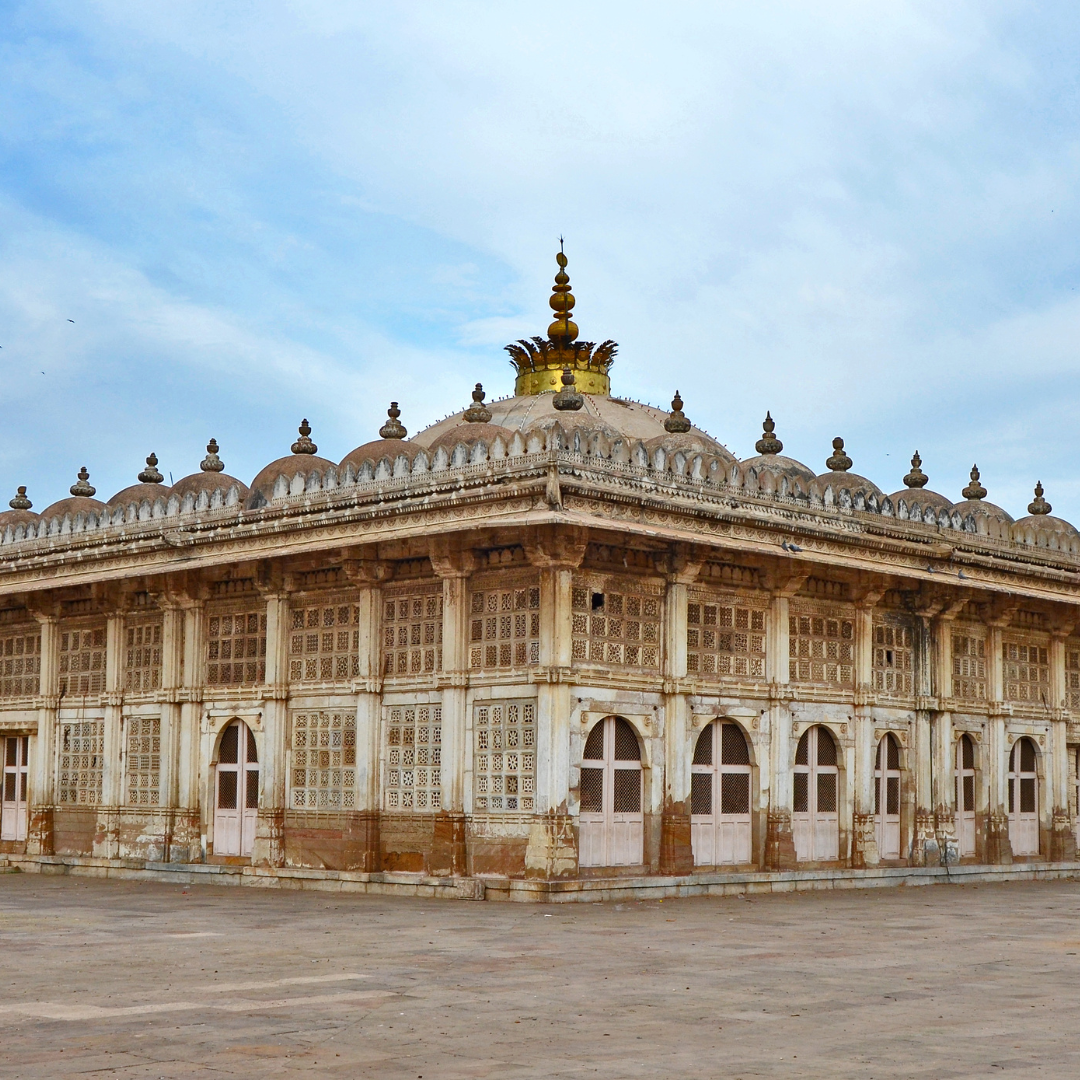
Located on the outskirts of Ahmedabad, Sarkhej Roza is one of the finest examples of Indo-Islamic architecture in India. Often referred to as the “Acropolis of Ahmedabad,” this historic complex beautifully combines Islamic, Persian, and Hindu architectural styles. Built during the 15th century, Sarkhej Roza is not just a monument but a peaceful spiritual and cultural destination that reflects the rich heritage of Gujarat.
The site attracts architecture lovers, history enthusiasts, photographers, and tourists from across the world. With its grand mosque, tombs, pavilions, and serene water tank, Sarkhej Roza offers visitors a glimpse into the glorious past of medieval Ahmedabad.
Architecture of Sarkhej Roza
The architecture of Sarkhej Roza is one of its biggest attractions. The monument perfectly blends Islamic arches and domes with intricate Hindu and Jain craftsmanship.
Highlights of the Architecture
- Beautiful carved stone pillars and lattice windows
- Massive mosque with elegant prayer halls
- Large artificial water tank surrounded by pavilions
- Intricate geometric and floral carvings
- Symmetrical Indo-Islamic design style
- Peaceful courtyards and open spaces
Unlike many Mughal monuments, Sarkhej Roza has a simple yet majestic appearance that creates a calm and spiritual ambiance.
Major Attractions Inside Sarkhej Roza
Tomb of Sheikh Ahmed Khattu Ganj Baksh
The central attraction of the complex is the beautifully designed tomb of the revered Sufi saint. Pilgrims and tourists visit the shrine to pay respects and admire the intricate craftsmanship.
Sarkhej Roza Mosque
The mosque is known for its elegant pillars, spacious prayer area, and excellent acoustics. Its architecture reflects the early Indo-Islamic style of Gujarat.
Royal Palaces and Pavilions
The complex also contains royal apartments and pavilions once used by the Gujarat Sultanate rulers for relaxation and royal gatherings.
Serene Water Tank
A large water reservoir adds charm to the monument and enhances its peaceful environment, especially during sunrise and sunset.
Why Sarkhej Roza is Famous
Sarkhej Roza is famous for:
- Indo-Islamic architectural excellence
- Historical importance during the Gujarat Sultanate era
- Peaceful spiritual atmosphere
- Stunning stone carvings and craftsmanship
- Heritage photography and cultural tourism
- Being one of Ahmedabad’s most iconic historical landmarks
Key Facts About Sarkhej Roza
- Located in Ahmedabad, Gujarat
- Built during the 15th century
- Dedicated to Sufi saint Sheikh Ahmed Khattu Ganj Baksh
- Developed under Sultan Ahmed Shah and Mahmud Begada
- Famous for Indo-Islamic architecture
- Includes mosque, tombs, palaces, and water tank
- Known as the “Acropolis of Ahmedabad”
- Popular heritage and photography destination
- One of the important historical sites in Gujarat
- Reflects a blend of Islamic, Hindu, and Jain architectural styles
Best Time to Visit Ahmedabad According to This Ahmedabad Travel Guide
1. Winter Season (November to February) — Ideal Time
- Temperature ranges from 12°C to 28°C
- Perfect for outdoor attractions and heritage tours
- Comfortable climate for visiting temples, lakes, and markets
- Best time for festivals and cultural events
Popular places to explore during winter:
- Sabarmati Ashram
- Kankaria Lake
- Adalaj Stepwell
- Sabarmati Riverfront
2. Summer Season (March to June) — Very Hot
- Temperatures can rise above 42°C
- Daytime sightseeing becomes uncomfortable
- Early morning and evening outings are better
This season is suitable only if:
- You want fewer crowds
- You are visiting for business or short stays
- You prefer indoor attractions and malls
3. Monsoon Season (July to September) — Scenic but Humid
- Temperature stays between 25°C and 35°C
- City looks greener and refreshing after rain
- Occasional heavy showers may affect travel plans
Good for:
- Photography lovers
- Budget travelers
- Short leisure trips
How to Reach Ahmedabad according to Ahmedabad Travel Guide
Ahmedabad is one of the major cities in India and is well connected by air, train, and road. Travelers can easily reach the city from most parts of the country.
1. Reach Ahmedabad by Air
The main airport serving the city is:
- Sardar Vallabhbhai Patel International Airport
Key Details
- Located around 9 km from the city center
- Handles both domestic and international flights
- Well connected to cities like:
- Delhi
- Mumbai
- Bengaluru
- Hyderabad
- Chennai
- Dubai
- Singapore
Major airlines operating here include:
- IndiGo
- Air India
- Akasa Air
- SpiceJet
From the airport, travelers can hire:
- Taxis
- App-based cabs
- Auto-rickshaws
- Airport buses
2. Reach Ahmedabad by Train
Ahmedabad has excellent railway connectivity through:
- Ahmedabad Junction Railway Station (Kalupur Station)
Railway Connectivity
Direct trains are available from major Indian cities such as:
- Delhi
- Mumbai
- Kolkata
- Jaipur
- Pune
- Chennai
Popular trains include:
- Vande Bharat Express
- Rajdhani Express
- Shatabdi Express
The railway station is centrally located and easily accessible by local transport.
3. Reach Ahmedabad by Road
Ahmedabad is connected through national highways and expressways to nearby states and cities.
Major Road Routes
- From Mumbai via NH48
- From Udaipur via NH48
- From Vadodara through Ahmedabad–Vadodara Expressway
Bus Services
Government and private buses regularly operate to Ahmedabad:
- GSRTC buses
- Volvo sleeper buses
- Luxury coaches
The main bus terminal is:
- Geeta Mandir Bus Station
Frequently Asked Questions
Is Ahmedabad worth visiting?
Yes, Ahmedabad is one of India’s best heritage cities known for history, architecture, food, and culture.
How many days are enough for Ahmedabad?
A 2 to 3-day trip is sufficient to explore major attractions in Ahmedabad.
What is Ahmedabad famous for?
Ahmedabad is famous for Sabarmati Ashram, Gujarati food, heritage architecture, textiles, and shopping.
Which is the best food market in Ahmedabad?
Manek Chowk is considered one of the best food markets in Ahmedabad.
What is the best time to visit Ahmedabad?
The winter season from October to March is ideal for visiting Ahmedabad.
Conclusion – Ahmedabad Travel Guide
This Ahmedabad travel guide shows why Ahmedabad is a destination that offers heritage, spirituality, food, shopping, and modern attractions all in one place. From peaceful ashrams and magnificent mosques to lively markets and delicious street food, every corner of the city tells a unique story.
Whether you are planning a family trip, solo adventure, cultural tour, or food exploration, this Ahmedabad travel guide will help you discover unforgettable memories and experiences.
If you are looking for a perfect blend of history and modern lifestyle, Ahmedabad should definitely be on your travel bucket list.