
Discover Goa – India’s Coastal Paradise
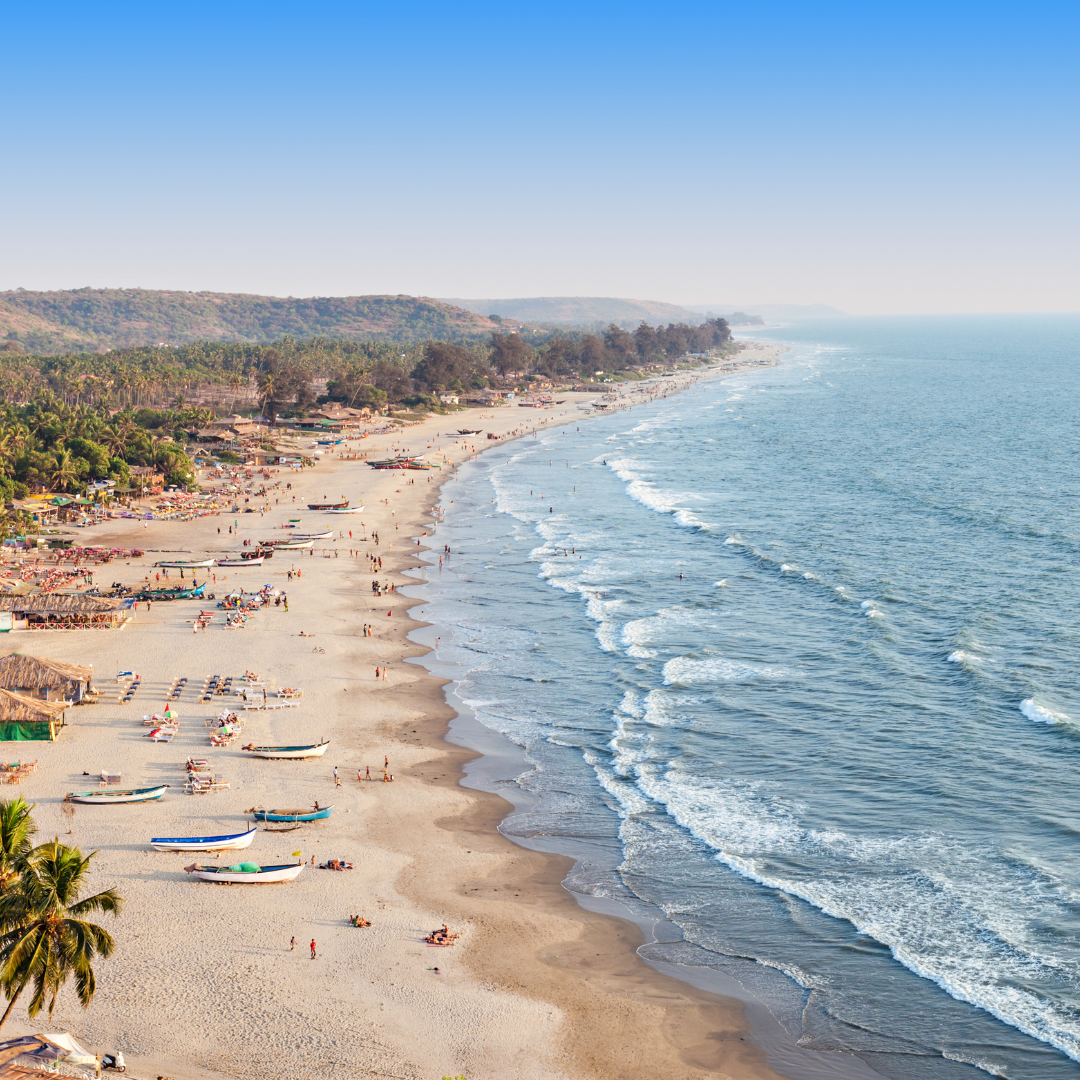
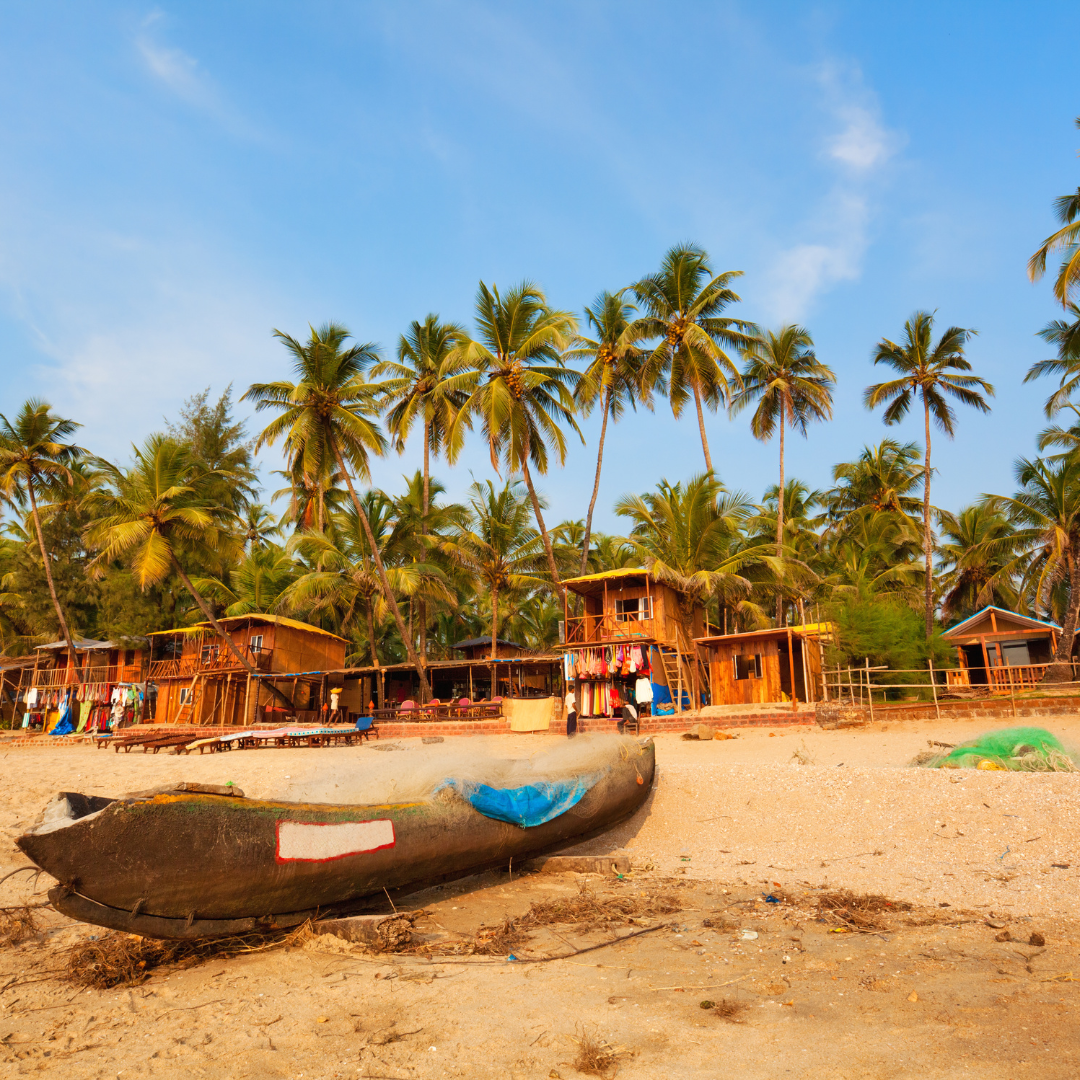

Goa is one of India’s most popular travel destinations, famous for its golden beaches, Portuguese heritage, vibrant nightlife, and laid-back lifestyle. Located on the western coast, it offers a perfect mix of relaxation, adventure, and culture.
Whether you’re a beach lover, foodie, party enthusiast, or history buff, Goa has something for everyone.
Top Cities to visit in Goa
1. Panaji (Panjim) – The Capital City
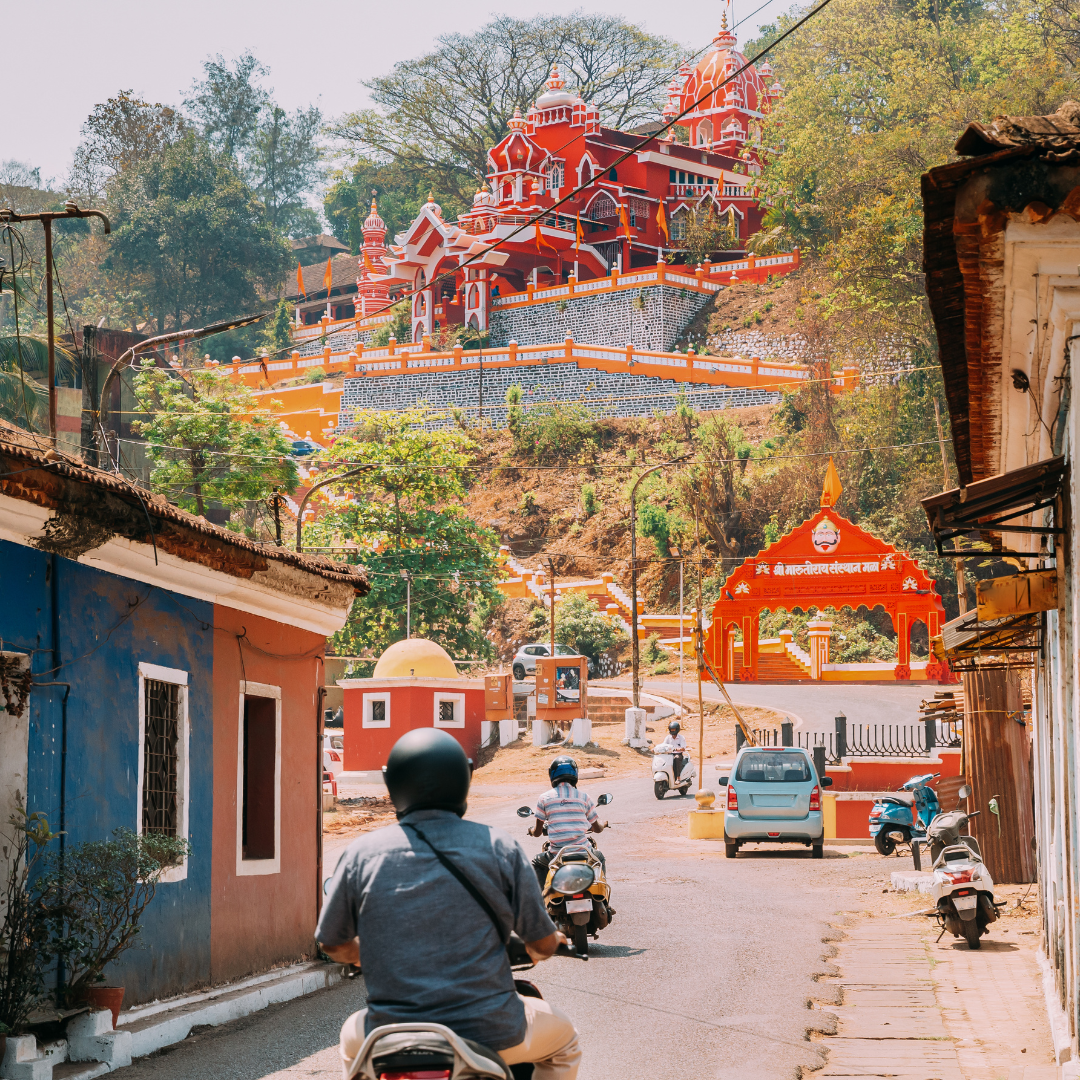
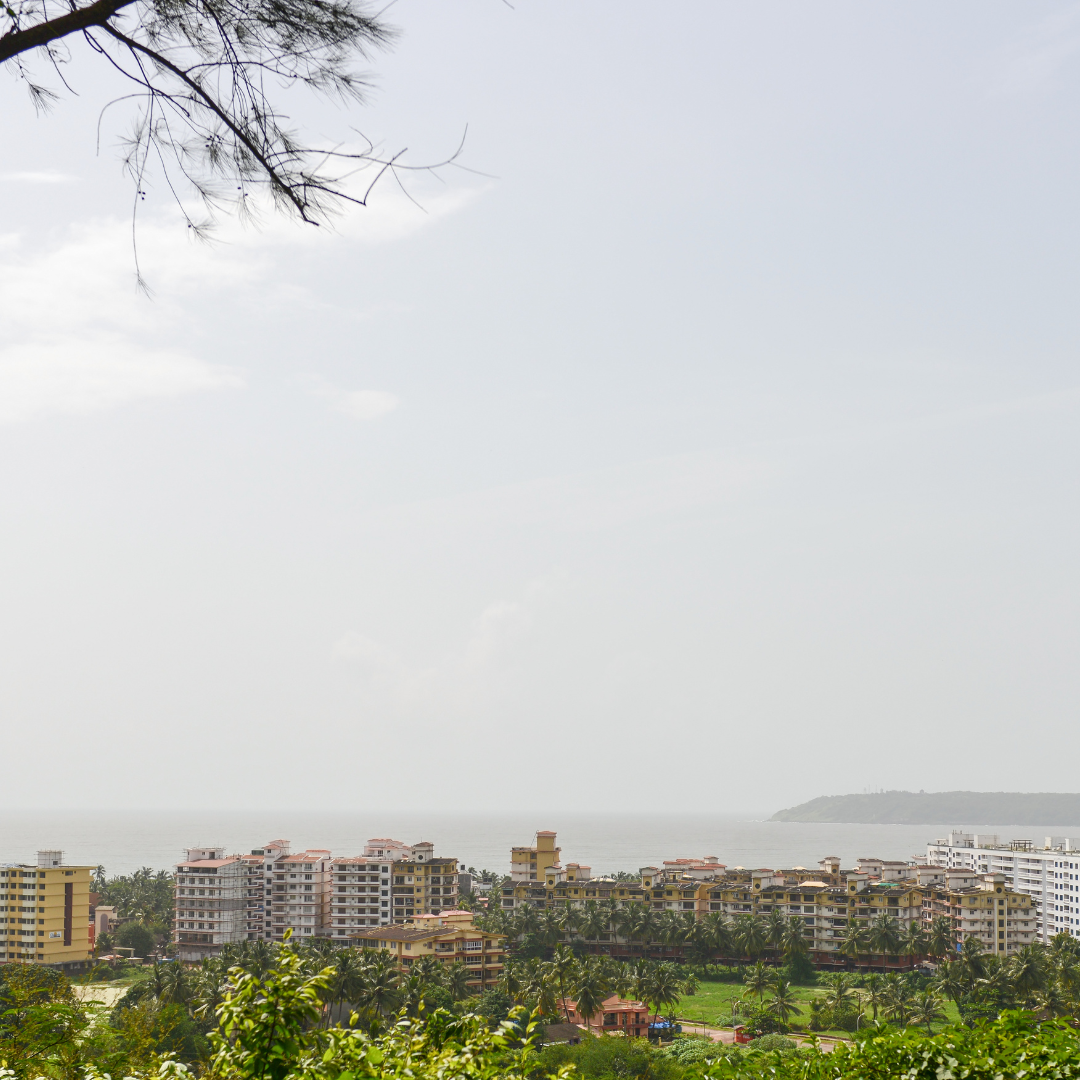
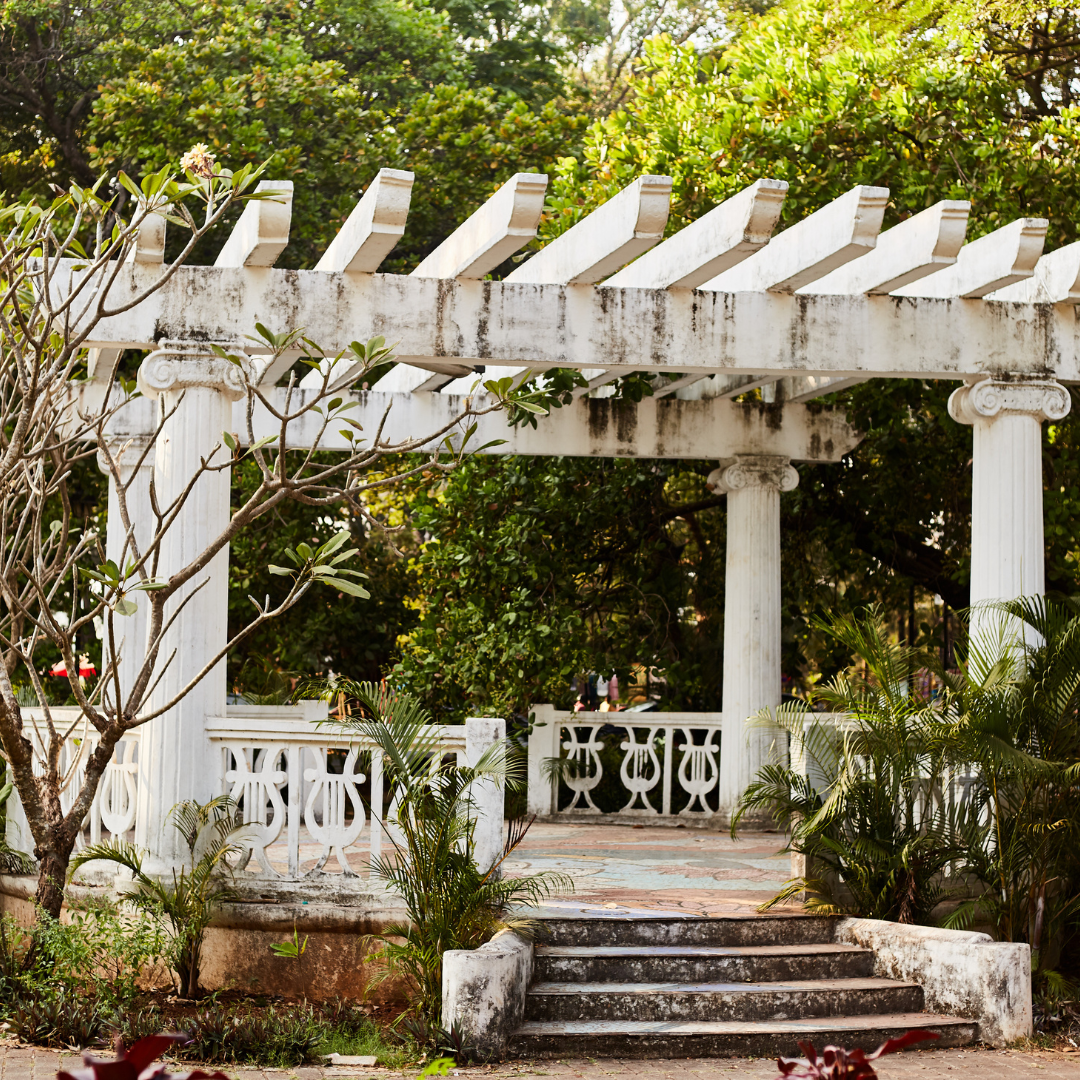
Tucked along the banks of the Mandovi River, Panaji (also called Panjim) is the relaxed yet vibrant capital of Goa. Unlike the party-heavy image Goa is often known for, Panaji offers a quieter charm—where colonial heritage, scenic waterfronts, and laid-back cafés come together beautifully. It’s the kind of place where you can stroll through colorful streets in the morning and enjoy riverside views by sunset.
The city reflects a unique blend of Indian and Portuguese influences, visible in everything from its architecture to its food culture. Whether you’re wandering through the Latin Quarter or visiting historic churches, Panaji feels like a living postcard.
Key Facts
- Capital City: Panaji is the administrative capital of Goa.
- Location: Situated on the banks of the Mandovi River, near the Arabian Sea.
- Alternate Name: Also known as Panjim (older Portuguese name).
- Historical Influence: Strong Portuguese colonial heritage lasting over 450 years.
- Language: Konkani is the official language; English and Hindi are widely spoken.
- Famous Area: Fontainhas – known for colorful Portuguese-style houses.
- Iconic Landmark: Our Lady of the Immaculate Conception Church – famous for its zigzag staircase.
- Nearby Beach: Miramar Beach – a popular spot for sunsets.
- Economy: Tourism, fishing, and government services are key contributors.
- Climate: Tropical climate with hot summers, heavy monsoon rains, and mild winters.
- Transport: Well-connected by road; nearest airport is Dabolim Airport (about 30 km away).
- Lifestyle: Known for its laid-back vibe compared to other Goan tourist hubs.
Top Places to visit in Panjim
1. Fontainhas
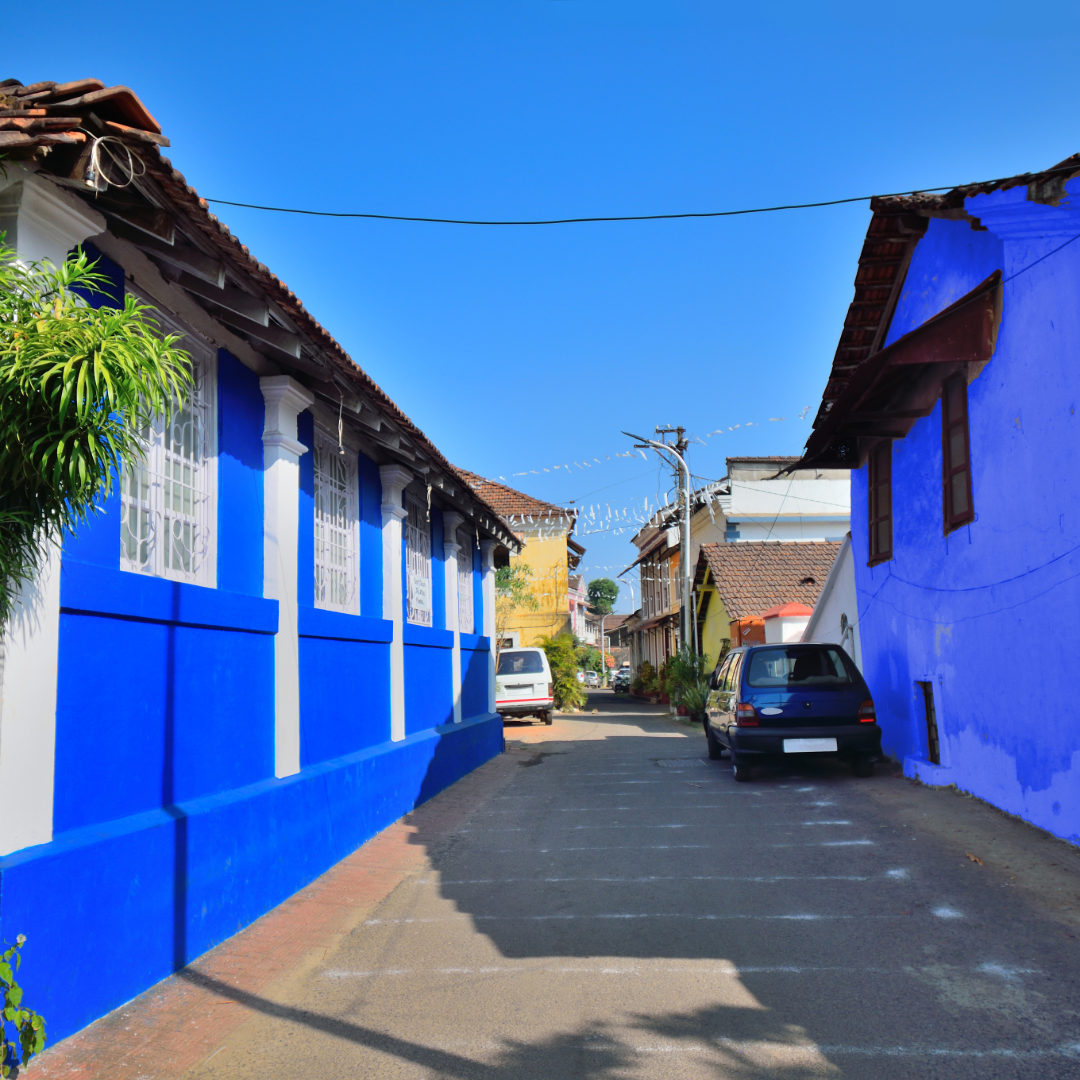


Tucked away in the heart of Panaji, Fontainhas is one of the most charming and culturally rich neighborhoods in India. Known as Goa’s Latin Quarter, this area feels like a postcard from Portugal—with narrow winding streets, vibrant houses, and a relaxed old-world vibe that’s hard to find anywhere else in the country.
Originally established during Portuguese rule, Fontainhas reflects a unique blend of European and Indian influences. Walking through its lanes, you’ll notice colorful facades in shades of yellow, blue, green, and red, all lined up with tiled roofs, balconies, and artistic details that tell stories of a colonial past. Today, it’s not just a residential area but also a hub for art lovers, photographers, and travelers seeking something beyond beaches.
Key Facts
- Location: Situated in Panaji, the capital of Goa, near the Mandovi River.
- Heritage Status: Recognized as a heritage zone, preserving Portuguese-era architecture.
- Architecture Style: Strong Portuguese influence with colorful houses, red-tiled roofs, and narrow lanes.
- Established: Developed in the late 18th century during Portuguese colonial rule.
- Cultural Blend: A fusion of Indian and Portuguese traditions, visible in food, lifestyle, and design.
- Art & Creativity: Home to art galleries like Gitanjali Art Gallery and boutique heritage stays.
- Best Way to Explore: On foot—walking tours are popular to soak in the details.
- Photography Spot: One of the most Instagram-worthy places in Goa due to its vibrant streets.
- Festivals: Hosts the annual Fontainhas Festival of the Arts celebrating music, art, and culture.
- Unique Identity: The only Latin Quarter in India that retains such a strong Portuguese character.
2. Mandovi River Cruise
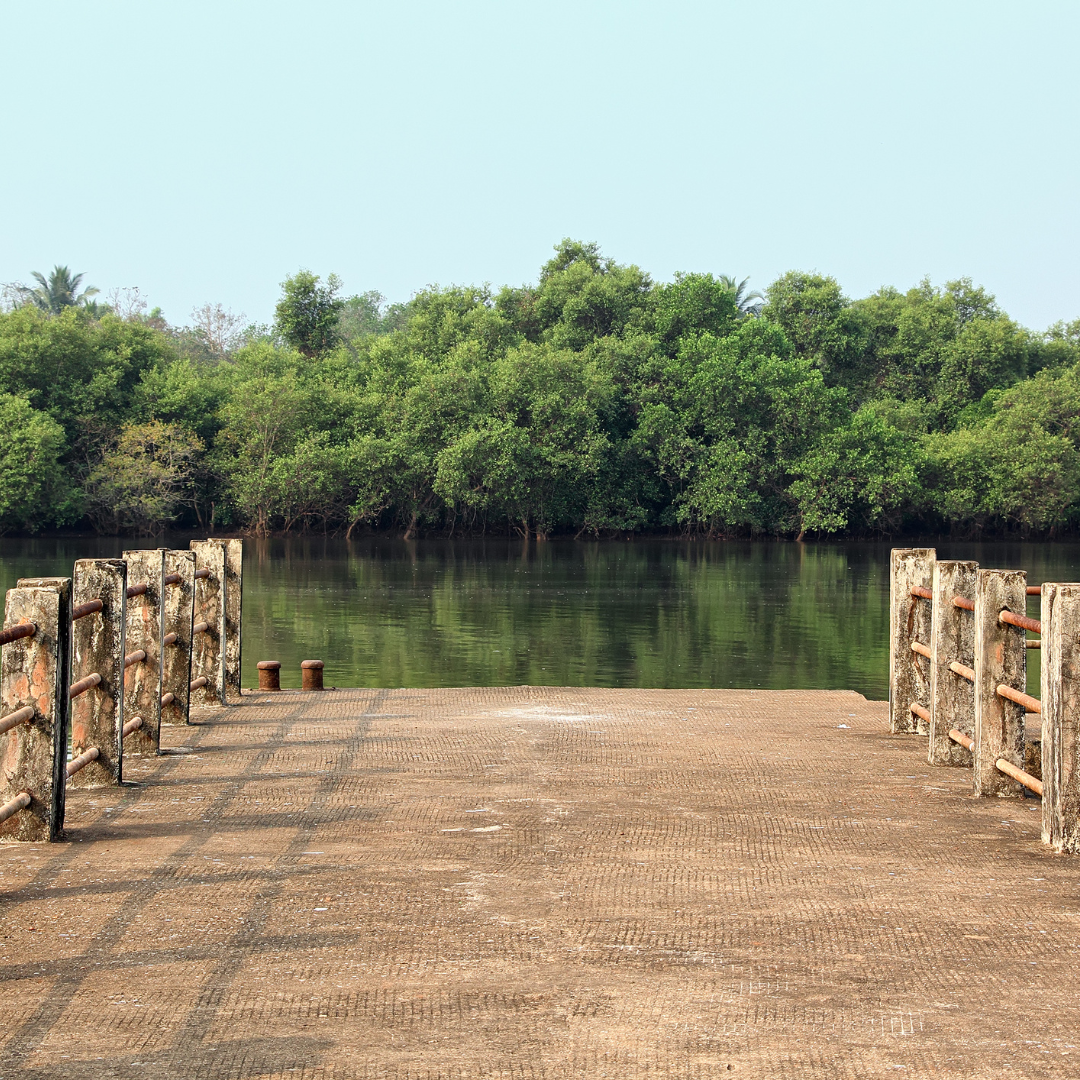


A cruise on the Mandovi River is one of the most relaxing and entertaining ways to experience Goa beyond its beaches. Flowing through the capital city Panaji, the Mandovi River offers scenic views, cultural performances, and vibrant nightlife—all wrapped into a memorable journey on water.
What Makes Mandovi River Cruise Special?
The Mandovi River cruise blends Goan culture, scenic beauty, and leisure into one experience. As you sail past iconic landmarks like Reis Magos Fort and Atal Setu, you get a unique perspective of Goa’s heritage and modern charm.
Cruises typically include:
- Live music and DJ entertainment
- Traditional Goan folk dances like Fugdi dance and Dekhni dance
- Buffet dinner or snacks (depending on package)
- Sunset or night views of the river
Key Facts
- Location: Mandovi River, Panaji
- Cruise Types: Sunset, Dinner, Casino, Cultural
- Highlights: Live music, Goan dances, scenic views
- Price Range: ₹300 to ₹5,000+
- Duration: 1–3 hours
- Boarding Point: Santa Monica Jetty
- Best Experience: Sunset and night cruises
- Luxury Option: Casino cruises like Deltin Royale
3. Our Lady of the Immaculate Conception Church
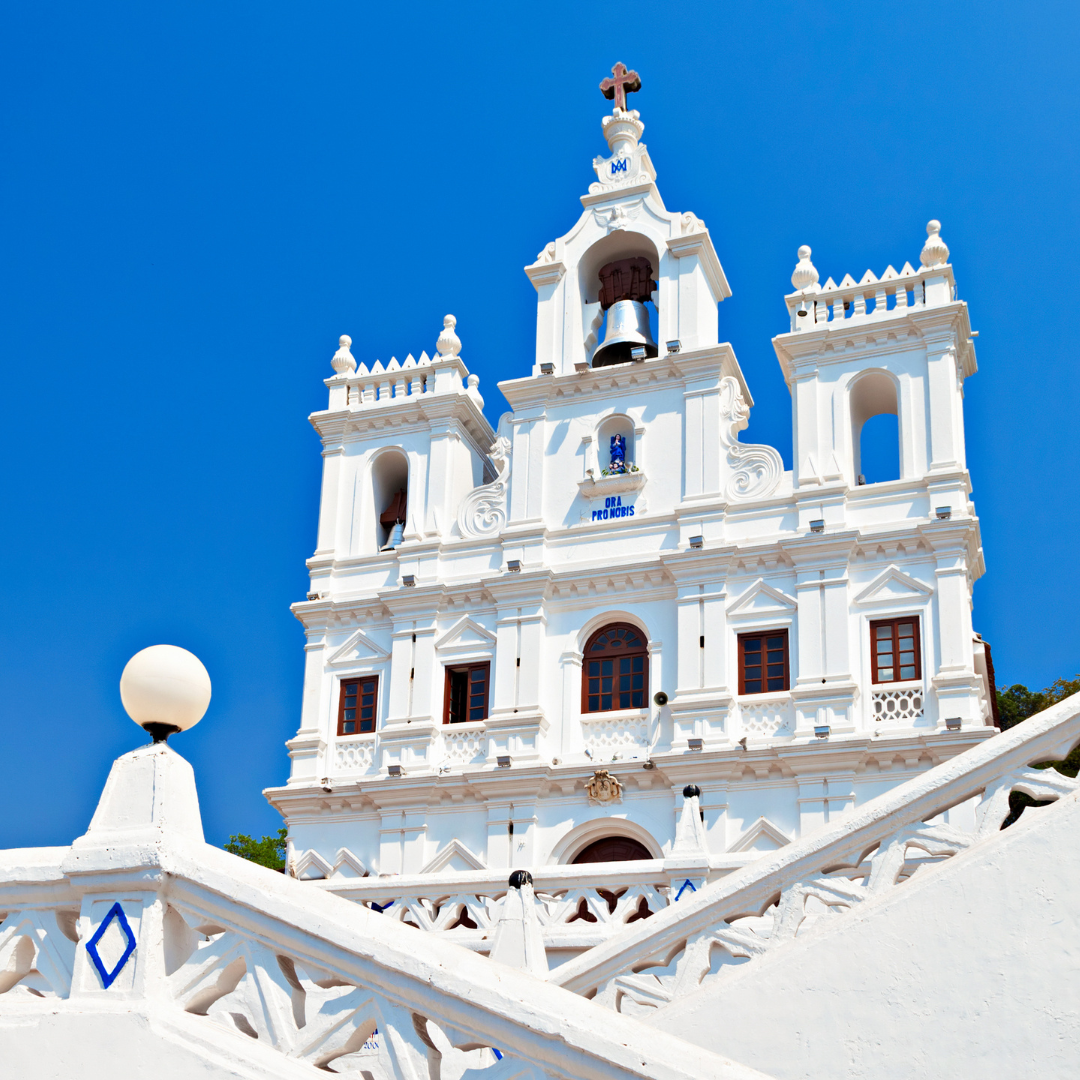


The Our Lady of the Immaculate Conception Church is one of the most iconic landmarks in Goa, standing proudly in the heart of Panaji. With its striking white façade, zigzagging stairways, and rich colonial history, the church is both a spiritual center and a visual symbol of the region’s Portuguese heritage.
A Brief History
Originally built in 1541 as a small chapel for Portuguese sailors, the structure we see today was expanded in 1619. During the colonial era, this church served as a vital religious hub for travelers arriving by sea. Over time, it became one of the most recognized churches in Goa, reflecting a blend of Baroque architecture and local influences.
Key Facts
- Location: Panaji, Goa, India
- Established: 1541 (rebuilt in 1619)
- Architectural Style: Baroque with colonial Portuguese influence
- Famous Feature: Zigzag staircase and large bell tower
- Dedicated To: Virgin Mary (Immaculate Conception)
- Major Festival: Feast of the Immaculate Conception (December 8)
- Best Time to Visit: Evening hours for lighting and ambiance
- Significance: One of Goa’s most photographed and visited churches
How to reach Panjim
1. By Air (Fastest)
- Fly to Goa International Airport (GOI), about 30 km from Panjim
- From the airport:
- Taxi: ~45 min
- App cabs available (limited but improving)
- Prepaid airport taxis are common
If you find flights to Manohar International Airport (North Goa), that’s another option (~35 km from Panjim)
2. By Train (Budget-friendly)
Nearest railway stations:
- Karmali Railway Station (closest, ~12 km)
- Madgaon Railway Station (~35 km, more trains stop here)
From the station:
- Taxi or auto to Panjim
- Local buses also available from Madgaon
3. By Road (Flexible)
- Goa has good highways connecting nearby states
- You can:
- Take state-run or private buses (AC sleeper, Volvo)
- Drive via NH66 (beautiful coastal route)
Popular routes:
- From Hyderabad: ~12–14 hrs by bus/car
- From Bengaluru: ~10–12 hrs
- From Mumbai: ~10–12 hrs
2. Margao – Cultural Hub of Goa


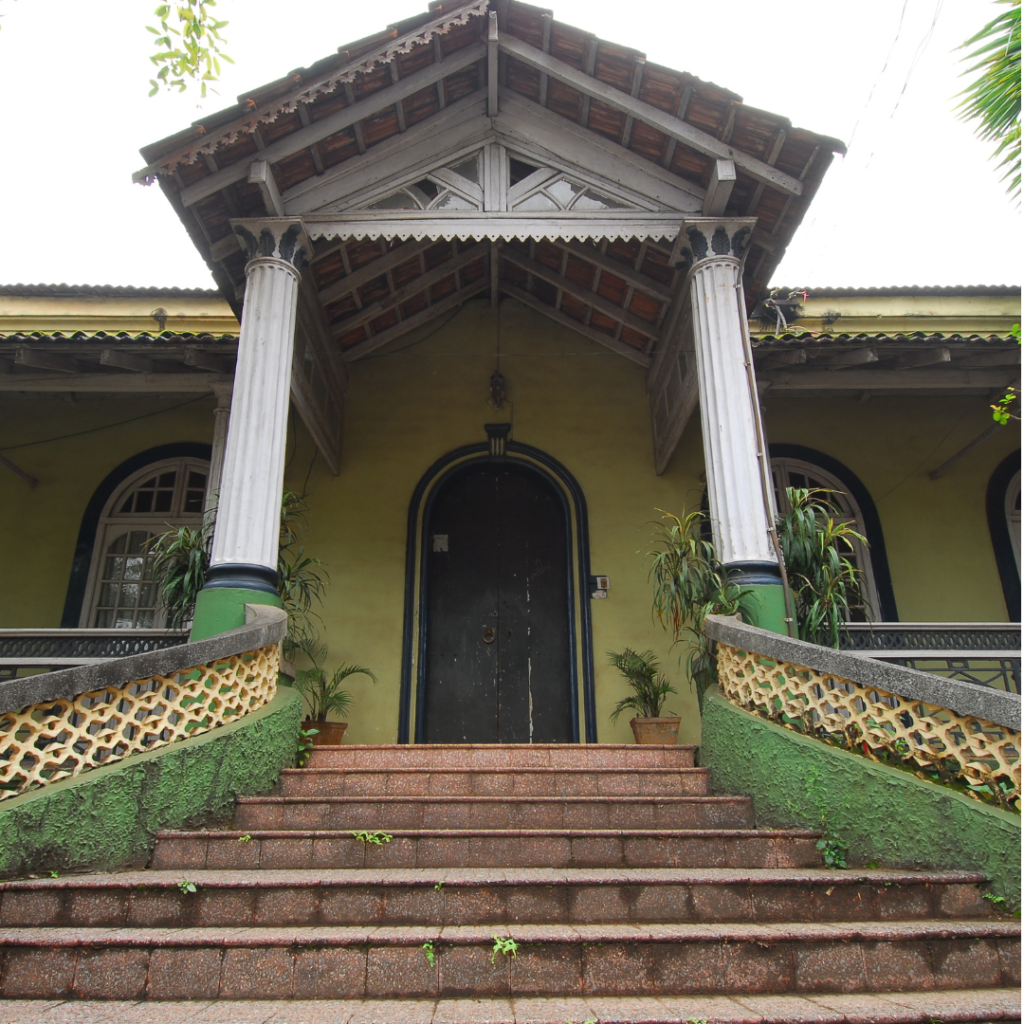
Located in the vibrant state of Goa, Margao (also known as Madgaon) is the commercial and cultural hub of South Goa. While many travelers flock to Goa for its beaches, Margao offers a more authentic slice of Goan life—rich in heritage, architecture, and local flavor.
Key Facts
- Location & Importance
Margao is the administrative headquarters of South Goa and one of the largest cities in the state. - Cultural Significance
Often called the cultural capital of Goa, it has deep-rooted traditions in music, art, and literature. - Iconic Landmarks
The famous Our Lady of Grace Church stands as a symbol of Portuguese-era architecture and religious importance. - Bustling Markets
Margao Market is one of the liveliest in Goa—perfect for spices, local produce, seafood, and Goan sweets. - Connectivity Hub
Home to Madgaon Railway Station, one of Goa’s busiest transport centers, connecting major Indian cities. - Proximity to Beaches
Popular beaches like Colva and Benaulim are just a short drive away. - Goan Cuisine Hotspot
Known for authentic Goan dishes like fish curry rice, bebinca, and sorpotel in local eateries. - Colonial Architecture
Streets are lined with colorful Portuguese-style houses reflecting Goa’s colonial past. - Festivals & Events
Celebrates vibrant festivals like Goa Carnival and traditional feasts with great enthusiasm. - Local Lifestyle
Offers a slower, more traditional Goan lifestyle compared to tourist-heavy North Goa.
Top Places to visit in Margao
1. Margao Municipal Market – Local Life Hub
Located in the heart of Margao, the Margao Municipal Market is more than just a shopping space—it’s a living, breathing hub of Goan culture. From the moment you step inside, you’re immersed in a sensory explosion of colors, aromas, and sounds that reflect everyday local life. Unlike polished tourist markets, this one remains authentic, raw, and deeply rooted in tradition, making it a must-visit for anyone wanting to experience Goa beyond beaches.
The market has evolved over time into a central marketplace where locals gather not only to shop but also to socialize, exchange stories, and maintain community ties. Whether you’re hunting for fresh seafood, aromatic spices, or traditional sweets, this market offers a slice of Goa’s true identity.
Key Facts
- Historic Marketplace
- One of the oldest markets in Goa, dating back to the early 19th century.
- Cultural & Social Hub
- Acts as a community meeting point, not just a commercial space—locals come here daily to interact and connect.
- Wide Variety of Goods
- Offers everything from fresh fruits, vegetables, seafood, spices, and meats to clothes, handicrafts, and household items.
- Authentic Goan Experience
- Known for its raw, vibrant atmosphere with traditional vendors, bargaining culture, and local flavors.
- Specialty Products
- Famous for Goan sausages, cashews, sweets, spices, and bakery items—perfect for souvenirs.
- Structured Market Layout
- Large complex with separate sections for fish, meat, and vegetables, making navigation easier.
- Best Time to Visit
- Morning hours for fresh produce; late afternoon for a lively atmosphere.
- Daily Life Snapshot
- Captures the essence of Goan daily life, from farmers selling produce to fishmongers calling out prices.
- Tourist + Local Blend
- Attracts both locals and tourists, offering a mix of traditional and modern goods.
- Central Location Advantage
- Situated in the city center, making it easily accessible and a key commercial zone.
2. Largo de Igreja & Church Square
The Largo de Igreja & Church Square is one of those places that feels like time slowed down and decided to stay. Located inside the old fort area of Moti Daman, this square reflects the strong Portuguese heritage that shaped the region for centuries.
At the heart of the square stands the iconic Bom Jesus Church, surrounded by colonial-era buildings, government offices, and quiet streets lined with trees. It’s not crowded like mainstream tourist spots—rather, it offers a calm, almost poetic atmosphere where architecture and history take center stage.
Walking through the square, you’ll notice pastel-colored facades, arched windows, and old-world symmetry that echo European town planning. It’s a perfect place for slow travel—whether you’re interested in photography, history, or just soaking in a peaceful environment.
Key Facts
- Location: Inside Moti Daman Fort, Daman, India
- Main Highlight: Bom Jesus Church (17th-century Portuguese church)
- Colonial Influence: Strong Portuguese architectural and cultural heritage
- Ambience: Calm, less crowded, ideal for relaxed exploration
- Best For: Photography, heritage walks, architecture lovers
- Era: Developed during Portuguese rule (16th–17th century)
- Surroundings: Government buildings, old residences, and fort walls
- Experience: Walkable square with a peaceful, old-European vibe
- Best Time to Visit: Early morning or evening for soft light and fewer crowds
- Cultural Feel: Blend of Indian setting with European town-square design
3. Margao Municipal Garden
Tucked in the heart of Margao, the Margao Municipal Garden is a refreshing escape from the busy streets of South Goa’s commercial hub. Often called the “lung space” of the city, this garden blends natural beauty with a calm, community-friendly vibe. Whether you’re a traveler looking for a quiet pause or a local seeking a daily retreat, the garden offers a simple yet charming experience.
The garden is known for its well-maintained lawns, shaded pathways, and vibrant seasonal flowers. With plenty of seating areas and tall trees offering shade, it becomes an inviting place for morning walkers, families, and elderly visitors. Its central location makes it easily accessible, especially for those exploring Margao’s markets and nearby attractions.
Key Facts
- Location: Situated in the center of Margao, close to major roads and markets
- Ambience: Peaceful, green, and ideal for relaxation amidst urban surroundings
- Best For: Morning walks, evening strolls, and casual hangouts
- Visitors: Popular with families, senior citizens, and local residents
- Features: Landscaped gardens, benches, walking paths, and seasonal flowers
- Timings: Typically open from early morning to evening (timings may vary slightly)
- Entry Fee: Usually free or very minimal
- Photography: Great for casual photography and nature shots
- Nearby Attractions: Close to Margao Market and local shopping areas
- Best Time to Visit: Early morning or late afternoon for pleasant weather
How to reach Margao
1. By Train (Best budget option)
- Take a train to Madgaon (MAO) railway station.
- From cities like Visakhapatnam, Vijayawada, or Hyderabad, you may need 1 transfer.
- Example: Hyderabad → Secunderabad → Madgaon
- Travel time: ~18–22 hours
- Cost: ₹500–₹4000 depending on class
Good if you want a cheap and comfortable journey.
2. By Bus (Direct but long)
- Direct buses run from Hyderabad → Margao.
- Duration: ~15–16 hours
- Cost: ₹650–₹3000
Good if you want a direct option without changing trains.
3. By Flight (Fastest)
- Fly to:
- Dabolim Airport (GOI) or
- Manohar International Airport (GOX)
- Then take taxi/train/bus to Margao (~30–60 min).
- Total travel time: ~4–6 hours
- Cost: ₹4,000–₹10,000
Best if you want to save time.
4. By Car (Road trip)
- Distance: ~600–650 km from Hyderabad
- Time: ~9–11 hours
Great for scenic Western Ghats views if you enjoy driving.
3. Vasco da Gama – Gateway to Goa
Located in the vibrant state of Goa, Vasco da Gama (often just called Vasco) is one of Goa’s most important urban centers. Unlike the beach-heavy tourist hubs, Vasco offers a more grounded, everyday Goan experience—blending maritime industry, colonial history, and coastal charm.
Named after the famous Portuguese explorer Vasco da Gama, the city reflects Goa’s deep-rooted colonial past while functioning as a modern transport and trade hub.
Key Facts
- Location: Situated in South Goa, close to Dabolim Airport, making it a key entry point into the state.
- Economic Importance: Home to Mormugao Port, a crucial port for iron ore export and maritime trade.
- Urban Character: More commercial and residential compared to North Goa’s tourist hotspots like Baga or Calangute.
- Nearby Beaches: Close to serene spots like Bogmalo Beach, perfect for quieter seaside relaxation.
- Connectivity: Just minutes away from Goa’s only airport, making it extremely accessible for travelers.
- Cultural Blend: Strong Portuguese influence visible in architecture, churches, and local lifestyle.
- Transport Hub: Well-connected by rail (Vasco railway station) and road networks across Goa.
- Local Life: Known for markets, local eateries, and an authentic Goan daily vibe rather than heavy tourism.
- Scenic Spots: Offers viewpoints of the Arabian Sea and harbor activity, especially around the port area.
- Historical Roots: Developed during Portuguese rule and remains a key administrative and economic center.
Top Places to visit in Vasco da Gama
1. Mormugao Port
Mormugao Port is one of India’s oldest and most important natural harbours, located in the coastal state of Goa. Known for its strategic position along major international sea routes, it plays a crucial role in India’s maritime trade—especially in exporting iron ore.
Overview
Nestled on the west coast of India near Vasco da Gama city, Mormugao Port stands as a vital gateway connecting India to global markets. Established during Portuguese rule, the port has evolved into a modern maritime facility while still retaining its historical importance.
Its naturally deep harbor allows large vessels to dock safely, making it a preferred port for bulk cargo. Over the years, Mormugao has been particularly famous for handling iron ore exports, contributing significantly to Goa’s economy. Today, the port also manages a variety of cargo, including coal, petroleum products, and containers.
Apart from trade, Mormugao Port is increasingly becoming a stop for cruise ships, boosting tourism in Goa and enhancing its global appeal.
Key Facts
- Location: Situated in Goa near Vasco da Gama city on the Arabian Sea coast
- Type: Natural deep-water harbour
- Established: Developed in 1885 during Portuguese colonial rule
- Major Cargo: Iron ore (primary), coal, coke, petroleum products, containers
- Strategic Importance: Located along major international shipping routes
- Managed by: Mormugao Port Authority
- Economic Role: One of India’s leading iron ore exporting ports
- Tourism Boost: Serves as a docking point for international cruise liners
- Connectivity: Well connected by rail and road to hinterland regions
- Harbour Advantage: Naturally protected from extreme sea conditions
2. Japanese Garden
Tucked away near the coastal town of Vasco da Gama, the Japanese Garden is one of Goa’s lesser-known yet most peaceful attractions. Despite its name, it’s not a traditional Japanese landscape garden filled with pagodas or koi ponds—instead, it offers a serene blend of greenery, coastal cliffs, and breathtaking views of the Arabian Sea.
This spot is especially loved by travelers looking to escape Goa’s party scene and experience a calmer, more reflective side of the region.
Key Facts
- Location: Near Vasco da Gama, close to Mormugao Port
- Best Time to Visit: Evening, especially for sunset views
- Entry Fee: Free
- Timings: Typically open daily from morning till evening (approx. 6 AM – 6 PM)
- Highlight: Panoramic views of the Arabian Sea from cliffside viewpoints
- Ambience: Quiet, less crowded, ideal for relaxation
- Photography: Excellent spot for landscape and sunset photography
- Accessibility: Requires a short walk; basic pathways available
- Nearby Attractions: Bogmalo Beach, Mormugao Port
- Best For: Couples, solo travelers, nature lovers
3. Mormugao Fort
Tucked away near the bustling port town of Vasco da Gama, Mormugao Fort is one of Goa’s lesser-known yet historically rich landmarks. Overlooking the Arabian Sea, this fort once played a crucial role in defending Portuguese India from maritime threats. Today, its weathered walls and quiet surroundings make it a hidden gem for travelers seeking both history and scenic views.
A Glimpse into History
Built in 1624 by the Portuguese, Mormugao Fort was strategically positioned to guard the entrance of the Zuari River and protect the harbor. During times of conflict, including threats from the Marathas and Dutch fleets, the fort served as a defensive stronghold.
Interestingly, the Portuguese once considered shifting their capital here from Old Goa due to its strong fortifications and safer coastal position—but the plan was never fully realized.
Key Facts
- Location: Near Vasco da Gama, overlooking the Zuari River
- Built in: 1624
- Built by: Portuguese colonial rulers
- Purpose: Defense against naval invasions
- Strategic Importance: Guarded the entrance to Mormugao Harbor
- Current Condition: Partially in ruins
- Best Time to Visit: Evening for sunset views
- Entry Fee: Free
- Crowd Level: Low (offbeat destination)
How to reach Vasco da Gama
1. By Air (Fastest)
- The nearest airport is Dabolim Airport (GOI)
- Distance to Vasco da Gama: ~4 km
- Travel time: 10–15 minutes
How to continue:
- Taxi / cab (most convenient)
- Auto-rickshaw
- Local bus (cheapest, but less frequent)
This is the best option if you’re coming from far away cities like Delhi, Mumbai, or Bangalore.
2. By Train (Budget-friendly)
- Get down at Vasco da Gama Railway Station
- It’s located right inside the city
Popular connections:
Connected via Konkan Railway route (scenic journey)
Direct trains from Mumbai, Pune, Bangalore, Hyderabad
3. By Road (Flexible)
You can reach Vasco da Gama via:
- Private car / bike
- Interstate buses (KSRTC, APSRTC, private operators)
Common routes:
- From Panaji → ~30 km (1 hour)
- From Margao → ~25 km (40–50 min)
Roads are generally smooth and scenic, especially along the coast.
Best Time to Visit Goa
1. November to February (Peak Season – Best Overall)
Ideal for most travelers
- Weather: Cool & pleasant (20–30°C)
- Perfect for beaches, sightseeing, water sports
- Famous parties & festivals (especially around Christmas & New Year)
If you want the classic Goa experience, this is it.
Downside:
- Crowded
- Expensive hotels & flights
2. March to May (Offbeat + Budget)
Best for cheaper trips
- Weather: Hot & humid (30–35°C)
- Less crowded beaches
- Great deals on hotels
Good if you prefer a relaxed, quiet trip and don’t mind heat.
3. June to September (Monsoon Magic)
Best for nature lovers
- Heavy rains transform Goa into a green paradise
- Waterfalls like Dudhsagar are at their best
- Romantic, peaceful vibe
Not ideal for beach activities, but perfect for scenic beauty and solitude.
4. October (Shoulder Season)
Balanced option
- Rain starts reducing
- Fewer crowds than peak season
- Pleasant weather begins
A smart choice if you want good weather + fewer tourists.
Travel Tips for Goa
- Rent a scooter for easy travel
- Book stays early in peak season
- Stay hydrated
- Respect local culture
- Try local dishes like fish curry rice
Conclusion
Goa is more than just beaches—it’s a lifestyle. From vibrant nightlife to peaceful retreats, from historic churches to scenic waterfalls, Goa offers an unforgettable travel experience.
Plan your trip to Goa today and explore India’s most loved coastal destination!