Why Gujarat Should Be Your Next Travel Destination
Gujarat offers a rich mix of culture, spirituality, and landscapes. Not only does this Gujarat Uncovered guide highlight famous attractions, but it also reveals hidden gems. Moreover, the state presents diverse experiences across regions. As a result, travelers can enjoy both heritage and adventure. In addition, Gujarat suits different types of visitors. Therefore, planning a Gujarat Uncovered trip becomes highly rewarding.
From the white salt deserts of the Rann of Kutch to bustling urban hubs like Ahmedabad, the state offers a unique mix of tradition and modern development. It is also the birthplace of Mahatma Gandhi, making it historically significant in India’s freedom struggle.
Key Facts
- Location: Western India, bordered by Rajasthan, Maharashtra, Madhya Pradesh, and the Arabian Sea
- Largest City: Ahmedabad
- Capital City: Gandhinagar
- Official Language: Gujarati
- Population: Over 60 million people
- Coastline: Longest coastline among Indian states (~1,600 km)
- Famous Landscape: Rann of Kutch, known for its white salt desert
Top Cities to Visit in Gujarat
When planning your Gujarat Uncovered journey, selecting the right cities is essential. On one hand, some destinations showcase heritage and culture. On the other hand, others focus on wildlife and nature. Because of this variety, travelers can create a balanced itinerary. To begin with, here are the top cities to explore.
1. Ahmedabad – Cultural Heart of Gujarat
Ahmedabad, one of India’s most dynamic cities, sits along the banks of the Sabarmati River in the state of Gujarat. Known for its deep historical roots and rapid urban development, it seamlessly blends centuries-old traditions with a thriving modern economy. Often referred to as the “Manchester of India” for its textile industry, Ahmedabad is also a cultural hub filled with architectural marvels, vibrant festivals, and rich cuisine.
The city holds special significance in India’s freedom movement, as it was closely associated with Mahatma Gandhi, who established the famous Sabarmati Ashram here. Today, Ahmedabad is recognized globally for its heritage value and was declared India’s first UNESCO World Heritage City.
Ahmedabad is a vibrant destination. For example, visitors can explore historic landmarks. In addition, the city blends tradition with modern life. Furthermore, local markets and food enhance the experience. As a result, Ahmedabad becomes a key highlight.
Key Facts
- Location: Western India, in the state of Gujarat, on the banks of the Sabarmati River
- Founded: In 1411 by Ahmed Shah I
- Status: First UNESCO World Heritage City in India (2017)
- Nickname: “Manchester of India” due to its historic textile industry
- Population: One of the largest cities in India, with millions of residents
- Language: Primarily Gujarati, along with Hindi and English
- Famous Landmark: Sabarmati Ashram, associated with Mahatma Gandhi
- Architectural Highlights: Intricate stepwells like Adalaj Stepwell and heritage “pol” houses in the old city
- Economy: Strong presence in textiles, chemicals, pharmaceuticals, and education
- Education Hub: Home to prestigious institutes like Indian Institute of Management Ahmedabad
- Festivals: Known for vibrant celebrations of Navratri and Uttarayan (kite festival)
- Cuisine: Famous for Gujarati thali, street food, and snacks like dhokla and fafda
- Transportation: Well-connected by air, rail, and road; part of major industrial corridors
- Climate: Hot semi-arid climate with very warm summers and mild winters
Top Attractions to visit in Ahmedabad
1. Sabarmati Ashram
The Sabarmati Ashram, located on the peaceful banks of the Sabarmati River in Ahmedabad, is one of the most important historical sites associated with Mahatma Gandhi. Established in 1917, the ashram served as Gandhi’s residence and a key center for India’s freedom struggle.
This serene space was not just a home but a hub of ideas, discipline, and activism. It was from here that Gandhi launched several significant movements, including the historic Dandi March, making the ashram a cornerstone of India’s independence narrative.
Today, Sabarmati Ashram stands as a museum and memorial, preserving Gandhi’s legacy and teachings of truth (Satya), non-violence (Ahimsa), and self-reliance.
Key Facts
- Location: Situated in Ahmedabad, Gujarat, along the Sabarmati River
- Established: 1917 by Mahatma Gandhi
- Original Name: Satyagraha Ashram
- Purpose: Center for practicing truth, non-violence, and simple living
- Historic Importance: Starting point of the Dandi March in 1930
- Main Attractions:
- Hriday Kunj – Gandhi’s living quarters
- Gandhi Ashram Museum
- Magan Niwas (dedicated to Maganlal Gandhi)
- Symbolism: Promotion of Khadi and self-reliance through spinning (Charkha)
- Collections: Letters, photographs, and personal belongings of Gandhi
- Environment: Peaceful, minimalistic, and reflective atmosphere
- Current Status: Open to visitors as a national monument and museum
2. Adalaj Stepwell
The Adalaj Stepwell is one of India’s most stunning examples of ancient water architecture, located in the village of Adalaj near Ahmedabad. Built in 1499, this stepwell is not just a utilitarian structure but also a masterpiece of Indo-Islamic architecture, blending intricate carvings, spiritual symbolism, and engineering brilliance.
Originally commissioned by Queen Rudabai, the stepwell served both practical and cultural purposes—providing water to arid regions and acting as a social and spiritual gathering place. Its five stories descend deep into the earth, creating a naturally cool environment even during scorching summers.
Architectural Highlights
The stepwell is designed in an octagonal shape at the top, leading down through a series of platforms and staircases. Each level is supported by beautifully carved pillars, featuring motifs of flowers, mythological scenes, and daily life.
What makes Adalaj Stepwell unique is its fusion of Hindu craftsmanship and Islamic design elements, seen in arches, geometric patterns, and symbolic carvings. The play of light and shadow inside the well changes throughout the day, giving it a mystical atmosphere.
Key Facts
- Location: Adalaj village, near Ahmedabad, Gujarat
- Built in: 1499 AD
- Commissioned by: Queen Rudabai
- Architectural Style: Indo-Islamic fusion
- Depth: Five stories underground
- Unique Feature: Naturally cool interior temperature
- Design: Intricate carvings of mythology, flora, and daily life
- Purpose: Water conservation + social gathering space
- Legend: Linked to a tragic royal love story
- Status: Popular heritage and tourist site in Gujarat
3. Kankaria Lake
Kankaria Lake is one of the most iconic attractions in Ahmedabad, blending history, recreation, and vibrant city life. Originally built in the 15th century, this circular lake has transformed into a major leisure destination for locals and tourists alike. Whether you’re visiting for a relaxing evening stroll, family fun, or cultural experiences, Kankaria offers something for everyone.
Attractions Around the Lake
Kankaria Lake isn’t just about scenic views—it’s packed with activities:
- Toy Train Ride – A circular train ride offering panoramic lake views
- Zoo & Kids City – Home to the famous Kamla Nehru Zoo and interactive edutainment zones
- Balloon Safari – Get a bird’s-eye view of Ahmedabad
- Boating & Water Activities – Paddle boats and speed boats available
- Evening Light Show – Musical fountain and illuminated surroundings
Key Facts
- Location: Ahmedabad, Gujarat, India
- Built in: 1451
- Built by: Sultan Qutb-ud-Din Ahmad Shah II
- Shape: Circular (approx. 2.25 km circumference)
- Main Purpose (historically): Water reservoir and royal leisure spot
- Modern Use: Recreational and entertainment hub
- Vehicle Entry: Not allowed (pedestrian-friendly zone)
- Entry Fee: Nominal fee for visitors
- Timings: Typically morning to late evening (varies slightly)
- Famous Event: Kankaria Carnival
4. Jama Mosque (Jama Masjid)
The Jama Masjid Ahmedabad is one of the most iconic historical mosques in India, located in the old walled city of Ahmedabad, Gujarat. Built during the rule of Sultan Ahmed Shah I in the early 15th century, it stands as a remarkable example of Indo-Islamic architecture and reflects the cultural blend of that era.
Constructed in 1424 AD, Jama Masjid was envisioned as the main congregational mosque of the city. It was among the largest mosques in the Indian subcontinent at the time of its construction, symbolizing the power and vision of Sultan Ahmed Shah I, the founder of Ahmedabad.
The mosque is built using yellow sandstone and features a vast courtyard, elegant domes, and intricately carved pillars. Its architecture uniquely blends Islamic design with Hindu and Jain influences, making it a masterpiece of the Gujarat Sultanate period.
Located near Teen Darwaza and the Bhadra Fort area, Jama Masjid continues to be an active place of worship and a major tourist attraction. Its peaceful ambiance, symmetrical design, and historical depth make it a must-visit for travelers exploring Ahmedabad.
Key Facts
- Built in: 1424 AD
- Founder: Sultan Ahmed Shah I
- Location: Old Ahmedabad, Gujarat, India
- Type: Friday (congregational) mosque
- Material: Yellow sandstone
- Architecture Style: Indo-Islamic (Gujarat style)
- Historical Importance: One of the largest mosques in India during its time
- Structure Highlights: Large courtyard with central water tank for ablutions
- Design Features: 15 domes and around 260 intricately carved pillars
- Entrances: Three main gateways from different sides
- Nearby Attractions: Tomb of Ahmed Shah (Badshah no Hajiro)
- Status: Monument of National Importance
How to reach Ahmedabad
Reaching Ahmedabad is quite straightforward since it’s one of western India’s major cities. The best option depends on where you’re starting from, but here’s a clear breakdown of all the main ways:
1. By Air (Fastest Option)
Ahmedabad is served by Sardar Vallabhbhai Patel International Airport.
- Direct flights connect major cities like Delhi, Mumbai, Bangalore, Hyderabad, and Chennai
- International flights also operate (Dubai, London, etc.)
- From the airport, taxis, autos, and app cabs are easily available
Best if you want speed and convenience.
2. By Train (Budget-Friendly & Reliable)
The main station is Ahmedabad Junction railway station (ADI).
- Well-connected to almost every major Indian city
- Popular trains run from Mumbai, Delhi, Jaipur, and more
- Affordable and comfortable options (Sleeper to AC classes)
Ideal if you’re traveling long-distance within India.
3. By Road (Flexible Travel)
Ahmedabad has strong road connectivity via national highways.
- Regular buses (government & private) from cities like Surat, Vadodara, Udaipur, and Mumbai
- Options include sleeper, AC, and Volvo buses
- Self-drive or taxi is also common
Great if you enjoy road trips or are nearby.
2. Dwarka – Spiritual Gem of Gujarat
Dwarka, located in the western Indian state of Gujarat, is one of the most revered spiritual destinations in the country. Known as the legendary kingdom of Lord Krishna, this ancient city sits gracefully along the Arabian Sea and is considered one of the Char Dham pilgrimage sites.
Steeped in mythology, history, and devotion, Dwarka attracts pilgrims, historians, and travelers alike who seek both spiritual fulfillment and cultural richness.
Dwarka holds spiritual importance. Moreover, it is associated with Krishna. Because of this, the city attracts pilgrims. At the same time, its coastal beauty adds charm. Therefore, Dwarka becomes a must-visit destination.
Key Facts
- Location: Western coast of India in Gujarat, near the Arabian Sea
- Main Attraction: Dwarkadhish Temple, dedicated to Lord Krishna
- Religious Importance: One of the Char Dham (four sacred Hindu pilgrimage sites)
- Mythological Significance: Believed to be the ancient kingdom established by Lord Krishna
- Coastal Beauty: Located at the confluence of the Gomti River and the Arabian Sea
- Nearby Attraction: Bet Dwarka, an island believed to be Krishna’s residence
- Historical Roots: Archaeological findings suggest submerged ancient city structures
- Popular Ritual Spot: Gomti Ghat for holy dips and rituals
- Connectivity: Well-connected by road and rail; nearest airport is Jamnagar
- Festivals: Janmashtami is celebrated with grand devotion and festivities
Top Attractions to visit in Dwarka
1. Dwarkadhish Temple
The Dwarkadhish Temple, also known as the Jagat Mandir, stands as one of the most revered pilgrimage sites in India. Located in the sacred city of Dwarka, this temple is dedicated to Lord Krishna, worshipped here as the “King of Dwarka” (Dwarkadhish).
Believed to be over 2,000 years old (with current structures dating back to the 15th–16th century), the temple is deeply tied to mythology, history, and spiritual devotion. It is also one of the four sacred pilgrimage sites (Char Dham) in Hinduism.
Architecture & Design Highlights
The temple showcases classic Chalukya-style architecture with intricate carvings and a majestic structure:
- The temple has five stories, supported by 72 intricately carved pillars
- The towering shikhara (spire) rises to about 78 meters
- A massive flag (Dhwaja) is changed multiple times a day, a unique ritual symbolizing devotion
- The temple is built from limestone and sand, giving it durability and elegance
Key Facts
- Location: Dwarka, Gujarat, on the banks of the Gomti River
- Deity: Lord Krishna (Dwarkadhish form)
- Construction Era: Original—ancient; Current structure—15th–16th century
- Height: Approximately 78 meters
- Floors: Five-storied structure
- Material: Limestone and sand
- Unique Ritual: Temple flag changed several times daily
- Religious Status: One of the Char Dham pilgrimage sites
- Major Festival: Janmashtami attracts massive crowds
- Nearby Attraction: Gomti Ghat for holy bathing
2. Rukmini Devi Temple
The Rukmini Devi Temple is a revered Hindu shrine dedicated to Goddess Rukmini, the divine consort of Krishna. Located about 2–3 km from the main town of Dwarka, this temple holds both spiritual significance and fascinating mythology that draws pilgrims and travelers alike.
Architecture & Design
The temple is believed to date back to the 12th century and showcases intricate carvings typical of early medieval Gujarati architecture. The exterior walls are adorned with sculpted figures of gods, goddesses, and celestial beings.
Unlike the grand Dwarkadhish Temple, this shrine is relatively small but rich in artistic detail, offering a serene and less crowded spiritual experience.
Key Facts
- Location: Near Dwarka, Gujarat, India
- Deity: Goddess Rukmini, consort of Krishna
- Era: Believed to be from the 12th century
- Distance: Around 2–3 km from Dwarkadhish Temple
- Legend: Curse by Durvasa led to separation of Rukmini and Krishna
- Architecture: Intricate carvings, Nagara-style temple design
- Unique Ritual: Offering water to the goddess
- Significance: Associated with love, devotion, and marital harmony
3. Bhadkeshwar Mahadev Temple
Perched on a small rocky island off the coast of Dwarka, the Bhadkeshwar Mahadev Temple is one of the most unique and spiritually captivating shrines dedicated to Lord Shiva. What sets this temple apart is its intimate relationship with the Arabian Sea—the temple is partially submerged during high tide, creating a rare and mesmerizing sight for devotees and travelers alike.
Key Facts
- Location: Off the coast of Dwarka, Gujarat, accessible by a short walk during low tide
- Unique Feature: Submerged by seawater during high tide, reappears during low tide
- Deity: Dedicated to Lord Shiva in the form of a Shivling
- Best Time to Visit: Early morning or evening during low tide
- Accessibility: Reachable on foot when tide recedes; inaccessible during high tide
- Photography: Stunning views at sunset and during tidal transitions
- Nearby Attraction: Close to Dwarkadhish Temple, one of the Char Dham pilgrimage sites
- Spiritual Belief: Sea waves are believed to perform natural abhishek of the Shivling
- Travel Tip: Always check tide timings before visiting for safety
How to reach Dwarka
Dwarka, one of the Char Dham pilgrimage sites, is located in the state of Gujarat on the western coast of India. Here’s how you can get there from different parts of the country:
1. By Air (Fastest option)
- The nearest airport is Jamnagar Airport (~130 km from Dwarka).
- From the airport, you can hire a taxi or take a bus to Dwarka (about 2.5–3 hours).
- Alternative airport: Rajkot Airport (~225 km away).
2. By Train (Convenient & direct)
- Dwarka has its own railway station: Dwarka Railway Station.
- Well-connected to major cities like:
- Ahmedabad
- Rajkot
- Surat
- Mumbai
- You can also travel via Okha Railway Station, which is about 30 km away.
3. By Road (Flexible travel)
- Dwarka is connected by highways to major Gujarat cities.
- Regular GSRTC buses and private buses run from:
- Ahmedabad (~440 km)
- Jamnagar (~130 km)
- Somnath (~230 km)
- Taxis and self-drive options are also available.
3. Somnath – Sacred Coastal Destination
Somnath combines spirituality and nature. Not only does it feature the Somnath Temple, but it also offers peaceful coastal views. In addition, the atmosphere remains calm. Consequently, visitors experience relaxation.
About Somnath
- Location: Somnath is a coastal town in the western Indian state of Gujarat.
- Administrative Area: It lies within the Gir Somnath district, with Prabhas Patan as the local town area.
- Nearby City: The closest major urban center is Veraval, an important fishing port.
Historical Significance (Beyond Religion)
- Somnath is part of the ancient region known as Prabhas Kshetra, historically important in trade and settlement.
- It has been referenced in early Indian texts and travel accounts as a coastal hub.
- The region saw continuous habitation for centuries, making it archaeologically relevant.
Key Facts
- Coastal town in western Gujarat
- Located in Gir Somnath district
- Close to Veraval port city
- Part of historic Prabhas region
- Economy driven by fishing + tourism
- Tropical climate with Arabian Sea influence
- Strong Gujarati cultural roots
- Accessible by rail, road, and nearby airport
Top Attractions in Somnath
1. Somnath Temple
The Somnath Temple, located in the western state of Gujarat, stands as one of the most revered pilgrimage sites in India. Dedicated to Lord Shiva, it is celebrated as the first among the twelve sacred Jyotirlingas. Overlooking the vast Arabian Sea, Somnath is not just a temple—it’s a symbol of spiritual endurance, having been destroyed and rebuilt multiple times throughout history.
Architecture and Setting
Built using sandstone in traditional style, the temple features intricate carvings, majestic spires, and a commanding coastal presence. One of its unique highlights is the “Baan Stambh” (Arrow Pillar), which signifies that there is no landmass between Somnath and Antarctica in a straight line across the sea.
Key Facts
- First Jyotirlinga: Somnath is considered the foremost among the 12 Jyotirlingas of Lord Shiva.
- Coastal Location: Situated along the Arabian Sea, offering breathtaking ocean views.
- Rebuilt Multiple Times: Destroyed and reconstructed several times in history.
- Location: Found in Prabhas Patan near Veraval in Gujarat, India.
- Modern Reconstruction: Rebuilt in 1951 under Sardar Vallabhbhai Patel’s vision.
- Architectural Style: Designed in the Chalukya style using sandstone.
- Baan Stambh Feature: Indicates a straight, uninterrupted sea route to Antarctica.
- Major Pilgrimage Site: Attracts millions of devotees annually.
- Scenic Beauty: Known for stunning sunrise and sunset views over the sea.
- Daily Rituals: Hosts regular aartis and spiritual ceremonies.
2. Triveni Sangam
Located near the famous Somnath Temple in Somnath, Triveni Sangam is one of the most spiritually significant spots in western India. It marks the confluence of three rivers—Hiran River, Kapila River, and the mystical Saraswati River—before they merge into the Arabian Sea.
This sacred meeting point is deeply rooted in Hindu belief, where taking a holy dip is said to cleanse sins and help attain spiritual liberation (moksha). Pilgrims visiting Somnath rarely miss this serene yet powerful location, often combining it with temple darshan and rituals for ancestors.
Key Facts
- Location: Near Somnath Temple in Somnath
- Rivers Converging: Hiran River, Kapila River, and Saraswati River
- Religious Importance: Considered sacred for purification and attaining moksha
- Popular Rituals: Holy dip, pind daan, tarpan
- Best Time to Visit: Early morning or sunset for a peaceful experience
- Nearby Attraction: Somnath Temple (one of the 12 Jyotirlingas of Lord Shiva)
- Water Type: Confluence eventually meets the Arabian Sea
- Mythological Belief: Saraswati flows invisibly beneath the surface
3. Somnath Beach
Nestled along the western coast of Gujarat, Somnath Beach is a tranquil stretch of shoreline that blends natural beauty with deep spiritual significance. Located near the iconic Somnath Temple, this beach attracts travelers seeking both relaxation and a sense of cultural connection.
The rhythmic waves of the Arabian Sea create a calming backdrop, making it an ideal spot for quiet reflection, photography, and evening strolls. While it’s not the best beach for swimming due to strong currents, its peaceful ambiance and scenic views more than make up for it.
Key Facts
- Location: Near Veraval, in the Gir Somnath district of Gujarat
- Nearby Attraction: Somnath Temple — one of the 12 Jyotirlingas of Lord Shiva
- Best Time to Visit: October to March (pleasant weather and clear skies)
- Water Conditions: Strong currents — swimming is not recommended
- Activities: Beach walks, photography, sunset viewing, temple visits
- Food Options: Local street food stalls and nearby restaurants offering Gujarati cuisine
- Accessibility: Well-connected by road; nearest railway station is Veraval
- Stay Options: Budget hotels to mid-range accommodations available nearby
How to reach Somnath
Somnath, located in the state of Gujarat, is one of the most sacred pilgrimage sites dedicated to Lord Shiva. Here are the main ways you can reach it:
1. By Air
- The nearest airport is Diu Airport (~65 km away).
- Another major option is Rajkot Airport (~200 km).
- From either airport, you can hire a taxi or take a bus to Somnath.
2. By Train
- The closest railway station is Veraval Railway Station (about 7 km away).
- Veraval is well connected to cities like:
- Ahmedabad
- Rajkot
- Surat
From Veraval, you can easily take an auto, taxi, or local bus.
3. By Road
- Somnath has good road connectivity with major cities in Gujarat.
- Regular GSRTC buses and private buses run from:
- Ahmedabad (~400 km)
- Junagadh (~90 km)
- Dwarka (~230 km)
You can also drive—roads are generally in good condition
4. Bhuj & Rann of Kutch – Desert Wonders
Bhuj is a historic city in the Kutch district of Gujarat, known for its rich heritage, palaces, temples, and vibrant handicrafts. It serves as the main gateway to explore the vast Rann of Kutch.
Bhuj has witnessed centuries of cultural evolution—from Rajput rule to colonial influence—and still preserves architectural gems like Aina Mahal and Prag Mahal. The city is also a hub for traditional arts like bandhani (tie-dye), embroidery, and mirror work.
Bhuj serves as the gateway to the Rann of Kutch. During winter, the region transforms beautifully. For instance, the white desert shines under moonlight. Additionally, festivals bring cultural energy. Therefore, this destination becomes unforgettable.
Key Facts
- Historic city located in the Kutch district of Gujarat
- Known for royal palaces like Aina Mahal and Prag Mahal
- Major center for handicrafts: embroidery, bandhani, leatherwork
- Gateway to the Rann of Kutch
- Rebuilt significantly after the 2001 earthquake
Top Attractions in Bhuj
1. White Rann Desert (Rann of Kutch)
The White Rann, part of the larger Rann of Kutch in the state of Gujarat, is one of India’s most surreal landscapes. Known for its endless stretches of white salt flats, this desert transforms into a shimmering, dreamlike expanse—especially under moonlight.
It’s not a typical desert of sand dunes. Instead, the White Rann is a seasonal salt marsh that floods during the monsoon and dries into a vast white crust in winter. This unique cycle makes it one of the most fascinating natural phenomena in India.
What Makes the White Rann Special?
The White Rann is famous for its blinding white salt surface, which reflects sunlight during the day and glows under the moon at night. During winter, the region hosts the vibrant Rann Utsav, showcasing local culture, crafts, and music.
The landscape feels almost extraterrestrial—flat, silent, and stretching endlessly to the horizon. Visitors often describe it as walking on a frozen ocean.
Key Facts
- Location: Northern part of Kutch District, near the India–Pakistan border
- Type: Seasonal salt marsh (not a sandy desert)
- Formation: Flooded by seawater during monsoon; dries into salt flats in winter
- Best Experience: Full moon nights when the desert glows white
- Best Time to Visit: November to February
- Major Event: Rann Utsav (cultural festival with tents, food, and performances)
- Wildlife: Flamingos, wild asses, migratory birds
- Climate: Extreme—very hot in summer, pleasantly cool in winter nights
- Entry: Permit required due to proximity to the border
- Famous For: Photography, cultural tourism, unique landscapes
2. Matanamadh (Mata no Madh)
Matanamadh, commonly known as Mata no Madh, is a historic and spiritual village located in the Kutch district of Gujarat. It is best known for housing the revered temple of Ashapura Mata, the kuldevi (family deity) of the Jadeja Rajput rulers and a highly worshipped goddess across western India.
Overview
Matanamadh is not just a pilgrimage site—it’s a blend of faith, history, and regional identity. Set amid the semi-arid landscapes of Kutch, the temple of Ashapura Mata attracts thousands of devotees every year who come seeking blessings and fulfillment of wishes (the name Ashapura literally means “the one who fulfills hopes”).
The temple has stood resilient through time, even surviving major natural calamities like the 2001 Gujarat earthquake, after which it was reconstructed while preserving its spiritual essence.
Visitors often describe the atmosphere as deeply peaceful yet vibrant during festivals, especially during Navratri, when the temple becomes a center of devotion and celebration.
Key Facts
- Location: Situated in Kutch district, about 100 km from Bhuj in Gujarat
- Main Attraction: Temple of Ashapura Mata
- Religious Importance: Kuldevi of Jadeja Rajputs and worshipped by many communities
- Name Meaning: “Ashapura” means wish-fulfilling goddess
- Historical Roots: Dates back several centuries, with strong royal patronage
- Reconstruction: Rebuilt after the 2001 Gujarat earthquake
- Festivals: Navratri is the most prominent celebration
- Architecture: Traditional Hindu temple design with regional Kutch influences
- Pilgrimage Footfall: Thousands of devotees visit annually
- Nearby Attractions: Bhuj, Rann of Kutch, and local Kutch villages
3. Aaina Mahal
Tucked inside the historic Prag Mahal complex in Bhuj, Gujarat, Aaina Mahal is one of India’s most fascinating royal palaces. Built in the 18th century, this dazzling structure is famous for its intricate mirror work, European influences, and artistic craftsmanship that reflect the grandeur of the Kutch royal era.
Originally designed as a pleasure palace for the Maharaos of Kutch, Aaina Mahal blends Indian artistry with Western techniques—making it a rare architectural gem. Even today, it stands as a museum preserving royal artifacts, delicate glasswork, and a unique cultural story.
Key Fact
- Location: Situated in Bhuj, in the Kutch district of Gujarat, within the Darbargadh (royal palace complex).
- Built In: Around 1752 during the reign of Rao Lakhpatji.
- Architect & Designer: Crafted by Ramsingh Malam, a local artisan trained in Europe.
- Name Meaning: “Aaina Mahal” literally means Palace of Mirrors, reflecting its ornate mirror interiors.
- Unique Interiors: Walls decorated with mirrors, glass panels, gilded ornaments, and intricate carvings.
- European Influence: Features Venetian glass, chandeliers, clocks, and tiles inspired by Western design.
- Museum Today: Houses royal possessions like paintings, musical instruments, textiles, and manuscripts.
- Special Design Feature: A central hall once had water pools to reflect light from mirrors and candles, creating a glowing effect.
- Earthquake Impact: Damaged during the 2001 Gujarat earthquake but later restored.
- Tourist Attraction: One of Bhuj’s top heritage sites, drawing history lovers and architecture enthusiasts.
4. Mandvi Beach
Located in the historic town of Mandvi in the Gujarat region of Kutch, Mandvi Beach is one of the most picturesque and less crowded beaches in India. Known for its clean shoreline, golden-white sand, and peaceful ambiance, it offers a perfect blend of relaxation, history, and coastal charm.
Originally a busy port during the reign of the Jadeja Dynasty, Mandvi today is a quiet seaside destination that attracts travelers looking for calm rather than crowds. The beach is also close to the grand Vijay Vilas Palace, adding a royal touch to your visit.
Key Facts
- Location: Mandvi town in Kutch district, Gujarat, India
- Beach Type: Clean, white-sand beach with gentle waves
- Best Time to Visit: October to March (pleasant weather and clear skies)
- Unique Attraction: Camel and horse rides along the shoreline
- Nearby Landmark: Vijay Vilas Palace, a historic royal residence
- Special Feature: Wind farms along the coast create a scenic backdrop
- Local Food: Fresh seafood and Kutchi delicacies available near the beach
- Activities: Parasailing, jet skiing, and boating (seasonal)
- Atmosphere: Peaceful and less crowded compared to other Indian beaches
- Film Connection: Parts of Bollywood movies like Lagaan were shot nearby
5. Rann Utsav Festival
The Rann Utsav is one of India’s most visually stunning cultural celebrations, held in the vast white salt desert of the Rann of Kutch in Gujarat. Known for its surreal moonlit landscapes, vibrant folk traditions, and luxurious tent accommodations, this festival transforms a remote desert into a lively cultural hub.
Organized annually by Gujarat Tourism, the festival showcases the rich heritage of Kutch through music, dance, handicrafts, and local cuisine. Visitors from across India and the world come here to experience the magical blend of nature and culture.
What Makes Rann Utsav Special?
- The White Desert Experience: The salt desert looks especially magical under a full moon, creating a glowing white landscape.
- Tent City at Dhordo: A temporary luxury village is set up near Dhordo, offering comfortable stays.
- Cultural Extravaganza: Traditional Kutchi dance forms like Garba and folk music performances happen every evening.
- Handicrafts & Shopping: Intricate embroidery, mirror work, and handmade textiles reflect the artistry of local communities.
- Adventure Activities: Camel rides, ATV rides, paramotoring, and desert safaris add thrill to the experience.
Key Facts
- Held in the largest salt desert in the world
- Organized annually by Gujarat Tourism
- Known as one of India’s most unique desert festivals
- Features over hundreds of cultural performances
- Attracts domestic and international tourists
- Offers both budget and luxury accommodation options
- Promotes local artisans and handicrafts
- Eco-friendly initiatives are increasingly being adopted
- Accessibility via nearby city Bhuj
- Ideal for photography, culture, and adventure lovers
How to reach Bhuj
1. By Air (Fastest)
- The nearest airport is Bhuj Airport (BHJ).
- It has regular flights from Mumbai (most common connection).
- From the airport, Bhuj city is about 5–6 km (easy taxi/auto ride).
Best if you want the quickest route.
2. By Train (Budget-friendly & popular)
- Bhuj Railway Station is well connected.
- Direct trains run from:
- Ahmedabad
- Mumbai
- Delhi
Good balance of cost and comfort.
3. By Road (Flexible & scenic)
- Gujarat has excellent highways and buses:
- GSRTC buses and private Volvo buses connect Bhuj with major cities.
- Approx distances:
- Ahmedabad → Bhuj: ~330 km (6–7 hours)
- Rajkot → Bhuj: ~230 km
Ideal if you prefer road trips or direct buses.
5. Vadodara – Royal Heritage City
Overview
Vadodara, also known as Baroda, is one of the most vibrant cities in Gujarat. Known for its royal heritage, thriving art scene, and modern infrastructure, it offers a blend of tradition and contemporary living. The city was once ruled by the Gaekwad dynasty, whose influence is still visible in its grand palaces and cultural institutions.
Vadodara reflects royal elegance. Similarly, its architecture highlights history. In addition, gardens and museums offer relaxation. Overall, Vadodara enriches your journey.
Key Facts
- Location: Western India, situated on the banks of the Vishwamitri River
- Historical Significance: Former capital of the princely state under the Gaekwads
- Famous Landmark: Laxmi Vilas Palace – one of the largest private residences in the world
- Popular Attraction: Sayaji Baug – a massive garden with a zoo and museum
- Education Hub: Home to the prestigious Maharaja Sayajirao University of Baroda
- Cultural Identity: Known as the cultural capital of Gujarat with strong roots in music, dance, and fine arts
- Cuisine: Famous for Gujarati thali, street food, and local snacks like sev usal
- Connectivity: Well-connected by rail and road; located on the busy Delhi–Mumbai corridor
- Economy: A mix of industries including petrochemicals, engineering, and IT
- Festivals: Celebrates Navratri with unmatched energy and large-scale garba events
Top Attractions in Vadodara
1. Laxmi Vilas Palace
The Laxmi Vilas Palace in Vadodara (formerly Baroda) is one of India’s most extravagant royal residences and a striking symbol of the grandeur of the Gaekwad dynasty. Built in the late 19th century, this palace is not just a home—it’s a statement of power, culture, and architectural brilliance.
Commissioned by Maharaja Sayajirao Gaekwad III, the palace reflects a fusion of Indian and European design influences. Even today, parts of the palace remain the residence of the royal family, while other sections are open to visitors.
Architectural & Cultural Highlights
- Designed by British architect Major Charles Mant and later completed by Robert Fellowes Chisholm
- Built in the Indo-Saracenic architectural style, blending Mughal, Gothic, and Renaissance elements
- Features a grand Durbar Hall with Venetian mosaic floors and Belgian stained glass
- Surrounded by lush gardens and includes a golf course within the palace grounds
- Houses an impressive collection of art, including works by Raja Ravi Varma
Key Facts
- Location: Vadodara, Gujarat, India
- Construction Period: 1878 – 1890
- Built By: Maharaja Sayajirao Gaekwad III
- Architectural Style: Indo-Saracenic
- Current Status: Partly a royal residence, partly open to the public
- Size: About 4 times larger than Buckingham Palace
- Notable Interiors: Durbar Hall, ornate ceilings, stained glass
- Art Collection: Includes paintings by Raja Ravi Varma
- Special Feature: Private golf course within palace grounds
- Tourism: Entry tickets available; audio guides offered
2. Sayaji Gardens
Sayaji Gardens, also known as Sayaji Baug, is one of the largest and most beloved public gardens in western India. Located in the heart of Vadodara, it offers a refreshing mix of nature, history, and culture—making it a must-visit destination for locals and travelers alike.
Originally built in 1879 by Maharaja Sayajirao Gaekwad III, the garden reflects his vision of creating a public space that combines education, leisure, and biodiversity.
Key Facts
- Location: Vadodara, Gujarat, India
- Established: 1879
- Founded by: Maharaja Sayajirao Gaekwad III
- Area: Over 100 acres
- Popular for: Family outings, jogging, picnics
- Major Attractions:
- Baroda Museum & Picture Gallery
- Zoo (home to diverse animal species)
- Toy Train (especially loved by kids)
- Planetarium
- Timings: Generally open daily (morning to evening; varies slightly by section)
- Entry Fee: Garden entry is free; some attractions have minimal charges
- Best Time to Visit: October to March (pleasant weather)
3. Tapovan Temple
Nestled on the outskirts of Vadodara, Tapovan Temple (often called Tapovan Mandir) is not just a place of worship but a peaceful spiritual complex surrounded by lush greenery. Unlike traditional crowded temples, Tapovan offers a calm, meditative atmosphere, making it a favorite among locals seeking quiet reflection.
The temple complex blends spirituality with nature. You’ll find beautifully maintained gardens, life-sized statues depicting scenes from Hindu mythology, and serene walking paths that encourage introspection. It’s less about ritual-heavy worship and more about inner peace and connection.
What Makes Tapovan Temple Special?
- Nature-centric design: The temple is set amidst landscaped gardens, giving it an ashram-like feel rather than a conventional temple structure.
- Spiritual storytelling: Sculptures and displays illustrate stories from Hindu epics like the Ramayana and Mahabharata.
- Peaceful ambiance: Ideal for meditation, yoga, or simply escaping the city’s noise.
- Family-friendly space: Open lawns and visual exhibits make it engaging for visitors of all ages.
- Less commercialized: Unlike many popular temples, Tapovan remains relatively quiet and uncrowded.
Key Facts
- Location: Near Harni area, outskirts of Vadodara
- Type: Spiritual retreat & temple complex
- Environment: Garden-based, eco-friendly setting
- Focus: Meditation, spirituality, and moral teachings
- Highlights: Mythological statues, landscaped lawns, peaceful walkways
- Best For: Quiet reflection, family visits, photography
- Timings: Typically open morning to evening (exact hours may vary)
- Accessibility: Easily reachable by road from Vadodara city center
- Entry Fee: Usually minimal or free (subject to change)
How to reach Vadodara
1. By Air (Fastest)
- Nearest airport: Vadodara Airport (BDQ) (~7 km from city)
- From nearby major cities like Hyderabad:
- Direct/connecting flights take ~2 hours
- Good if you want the quickest option.
Best for: Speed and comfort
2. By Train (Cheapest & Popular)
- Major station: Vadodara Junction
- Direct trains run from cities like:
- Hyderabad
- Vijayawada
- Visakhapatnam
- Travel time (example):
- From Hyderabad: ~24 hours
Best for: Budget travel & long-distance journeys
3. By Bus (Budget + Flexible)
- Available from many cities via private & state buses
- Example:
- Ahmedabad → Vadodara: ~3 hours
- For Andhra Pradesh, you’ll likely need connecting buses.
Best for: Low cost + flexible timings
4. By Car / Cab (Road Trip)
- Well connected by highways (NH48 etc.)
- Example distances:
- Hyderabad → Vadodara: ~750+ km
- Travel time: ~12–14 hours (with breaks)
Best for: Flexible travel + group trips
Hidden Gems You Shouldn’t Miss
While popular attractions draw attention, hidden gems offer unique experiences. For example, heritage walks reveal local traditions. Likewise, quiet beaches provide peaceful moments. Because of this, your Gujarat Uncovered trip becomes more meaningful.
Gujarat Uncovered: Best Time to Visit
Generally, November to February is ideal. During this time, the weather is pleasant. Moreover, festivals like Rann Utsav take place. Hence, it is the best season to travel.
1. Winter Season (November to February) — Best Overall Time
Winter is widely considered the best time to visit Gujarat. The weather is pleasant, making it perfect for sightseeing, festivals, and wildlife safaris.
Why visit in winter?
- Comfortable temperatures (10°C to 28°C)
- Ideal for exploring Rann of Kutch
- Best time for wildlife spotting at Gir National Park
- Peak season for festivals like Rann Utsav
2. Summer Season (March to June) — Hot but Budget-Friendly
Summers in Gujarat can be intense, especially in inland areas.
What to expect:
- High temperatures (30°C to 45°C)
- Fewer tourists and lower travel costs
- Early morning safaris still possible in Gir
- Cooler escape in hill stations like Saputara
Not ideal for general tourism, but okay if you can handle heat and want fewer crowds.
3. Monsoon Season (July to September) — Lush but Limited Travel
Monsoon transforms Gujarat into a greener landscape, but travel can be slightly restricted.
Highlights:
- Moderate rainfall and refreshing atmosphere
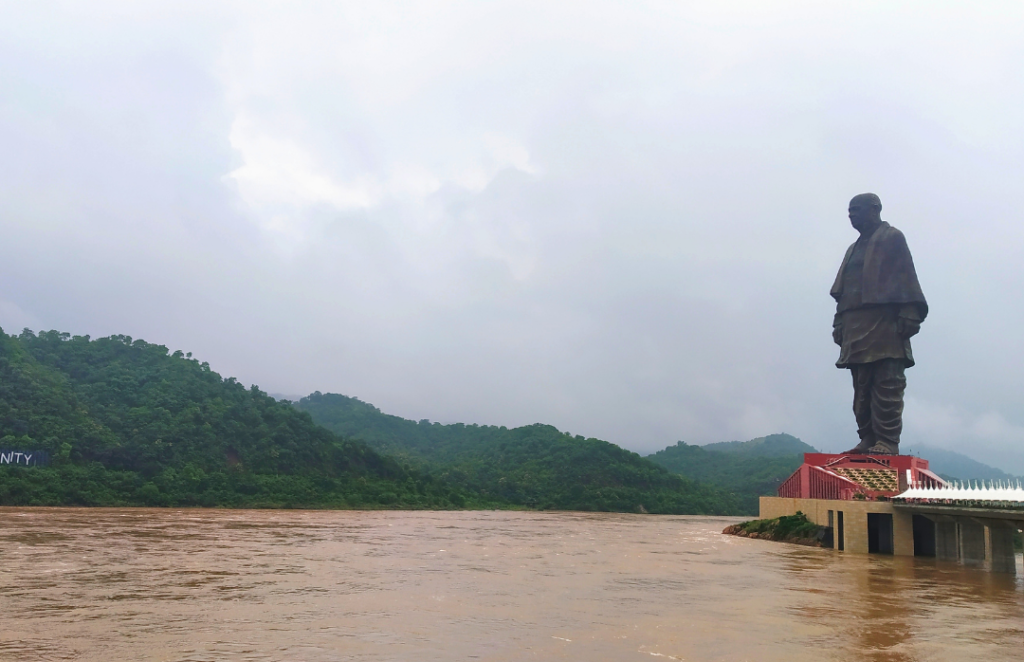
- Scenic beauty at places like Statue of Unity
- Ideal for nature lovers and photographers
Limitations:
- Some parks (like Gir) may remain closed
- Outdoor travel can be disrupted by rain
Must-Try Food in Gujarat
Gujarati cuisine is flavorful. For instance, dishes like dhokla and thepla are popular. In addition, a Gujarati thali offers variety. Thus, food becomes an important part of the experience.
Travel Tips
- Book safaris early
- Carry sunscreen
- Respect customs
By following these tips, your trip becomes smoother. Overall, planning ensures a better experience.
FAQs About Gujarat Travel
What is the best time to visit Gujarat?
The best time is November to February due to pleasant weather.
How many days are enough to explore Gujarat?
A 7–10 day itinerary is ideal to cover major cities and attractions.
Is Gujarat good for family trips?
Yes, Gujarat is safe, diverse, and suitable for families.
Final Thoughts
In conclusion, Gujarat offers culture, adventure, and spirituality. Whether you prefer temples, wildlife, or landscapes, this destination has everything. Ultimately, this Gujarat Uncovered guide helps you plan a memorable trip.