Maharashtra trip guide Overview

Maharashtra is one of India’s most developed and culturally rich states, located in the western region of the country. It is the second-most populous state and plays a crucial role in India’s economy, tourism, and heritage.
- Capital: Mumbai
- Largest City: Mumbai
- Official Language: Marathi
- Formation Date: 1 May 1960
- Area: 307,713 sq km
Maharashtra is widely known as the financial capital of India, thanks to Mumbai being home to major institutions like the Reserve Bank of India and the Bombay Stock Exchange.
Best Cities to Visit in Maharashtra tourism guide
1. Mumbai – The City of Dreams
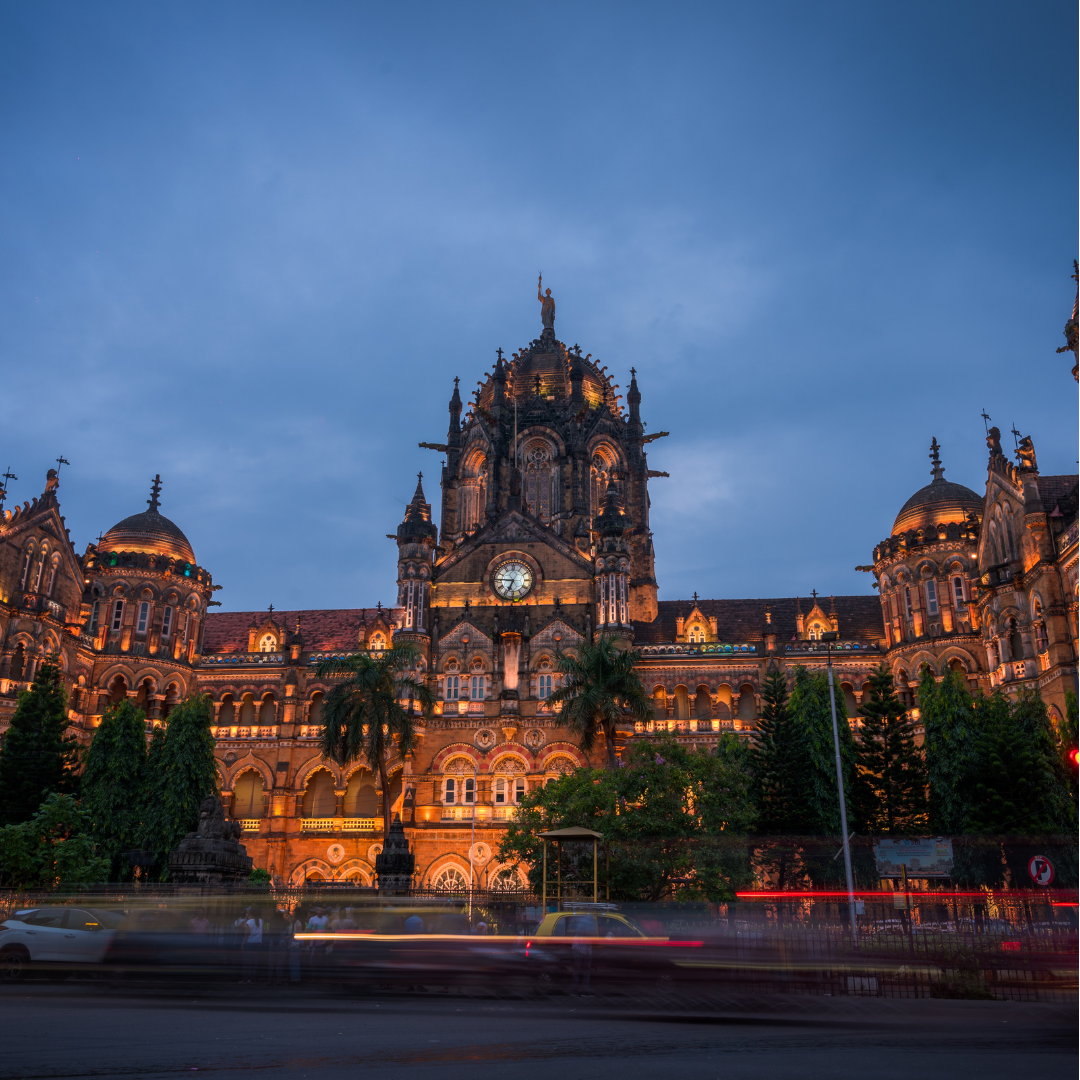
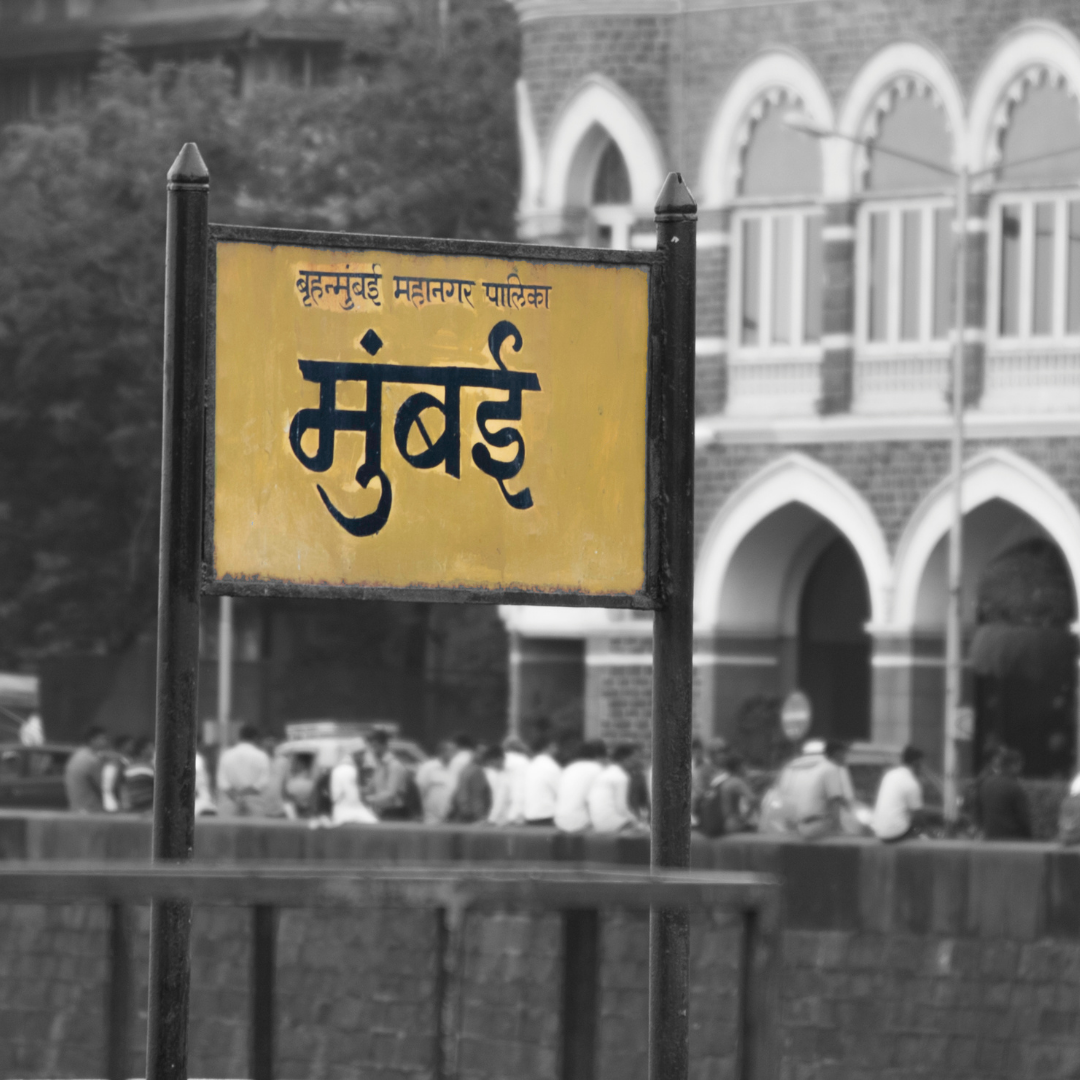
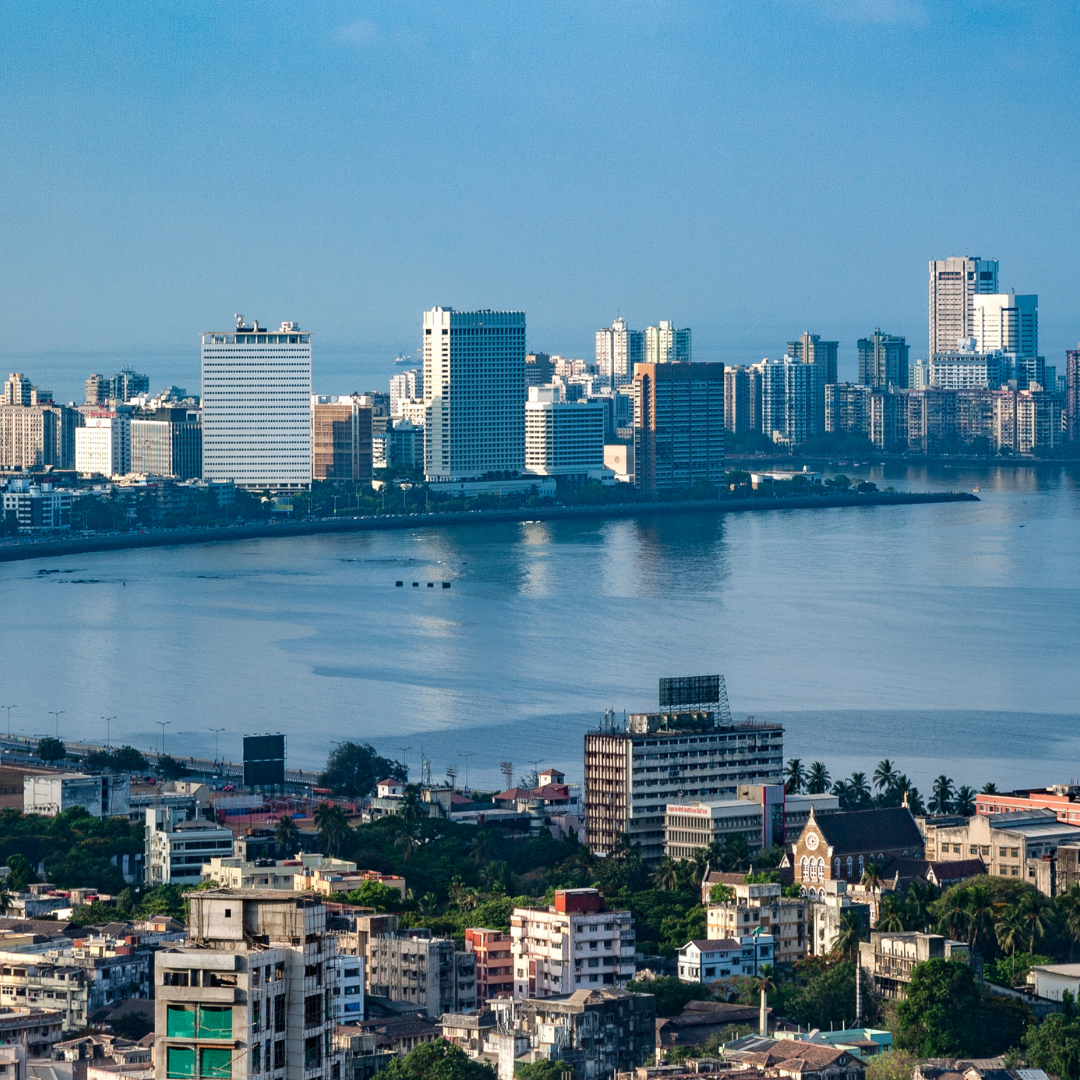
Mumbai, formerly known as Bombay, is the capital of the Indian state of Maharashtra and one of the most populous cities in the world. Located on the west coast of India, Mumbai is the financial, commercial, and entertainment hub of the nation.
Why Mumbai is Famous
Mumbai is often called the “City of Dreams” because it attracts millions seeking opportunities. It is home to:
- The headquarters of major companies and the Reserve Bank of India
- The Indian film industry, known as Bollywood
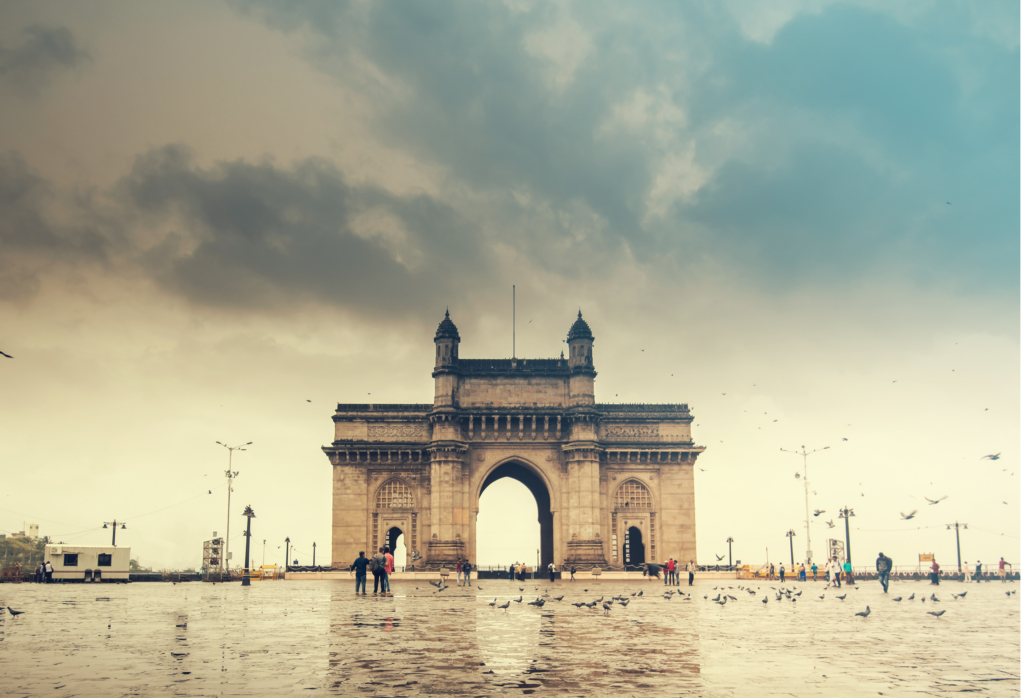
- The iconic Gateway of India
- One of the busiest stock exchanges, Bombay Stock Exchange
Top Tourist Attractions in Mumbai
1. Marine Drive

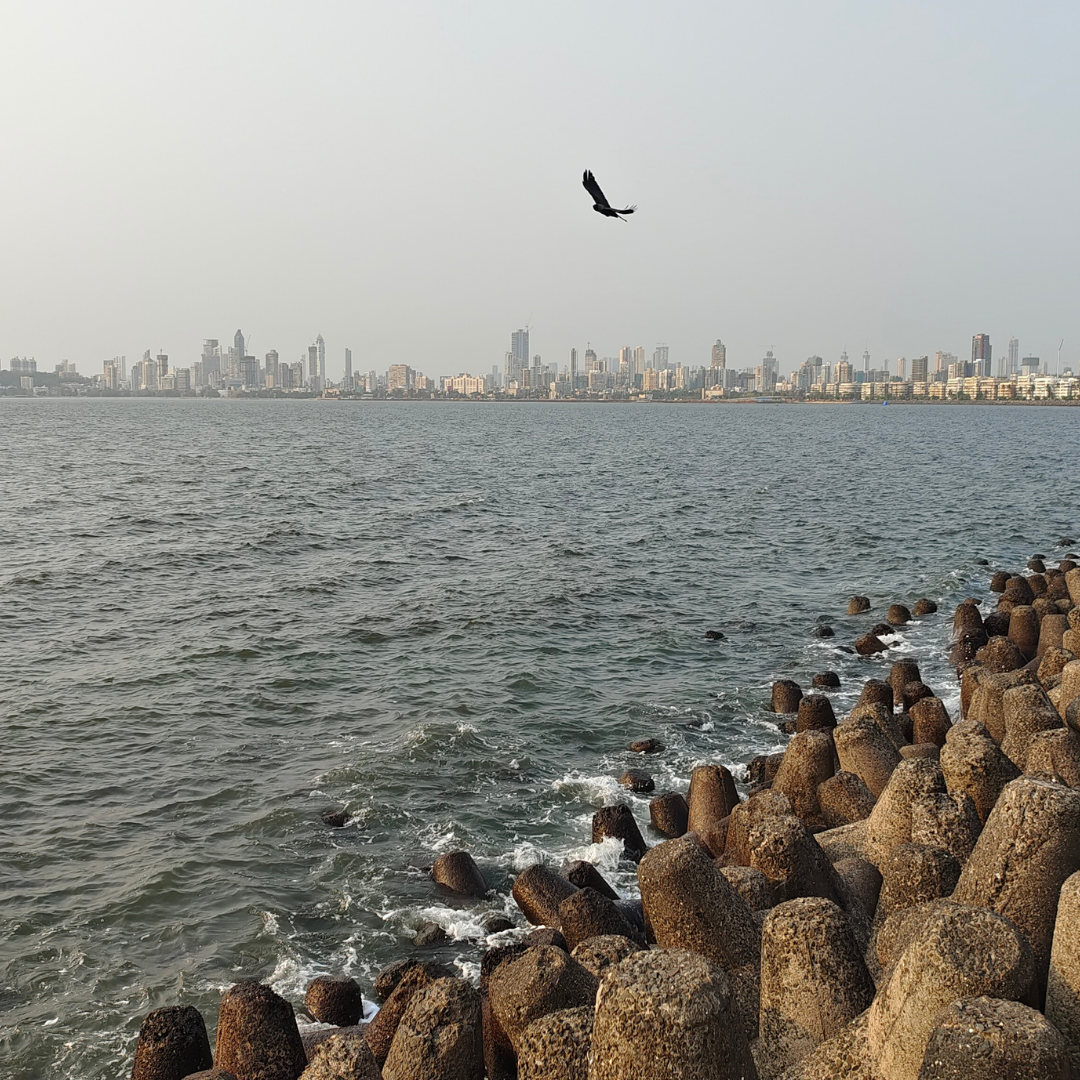
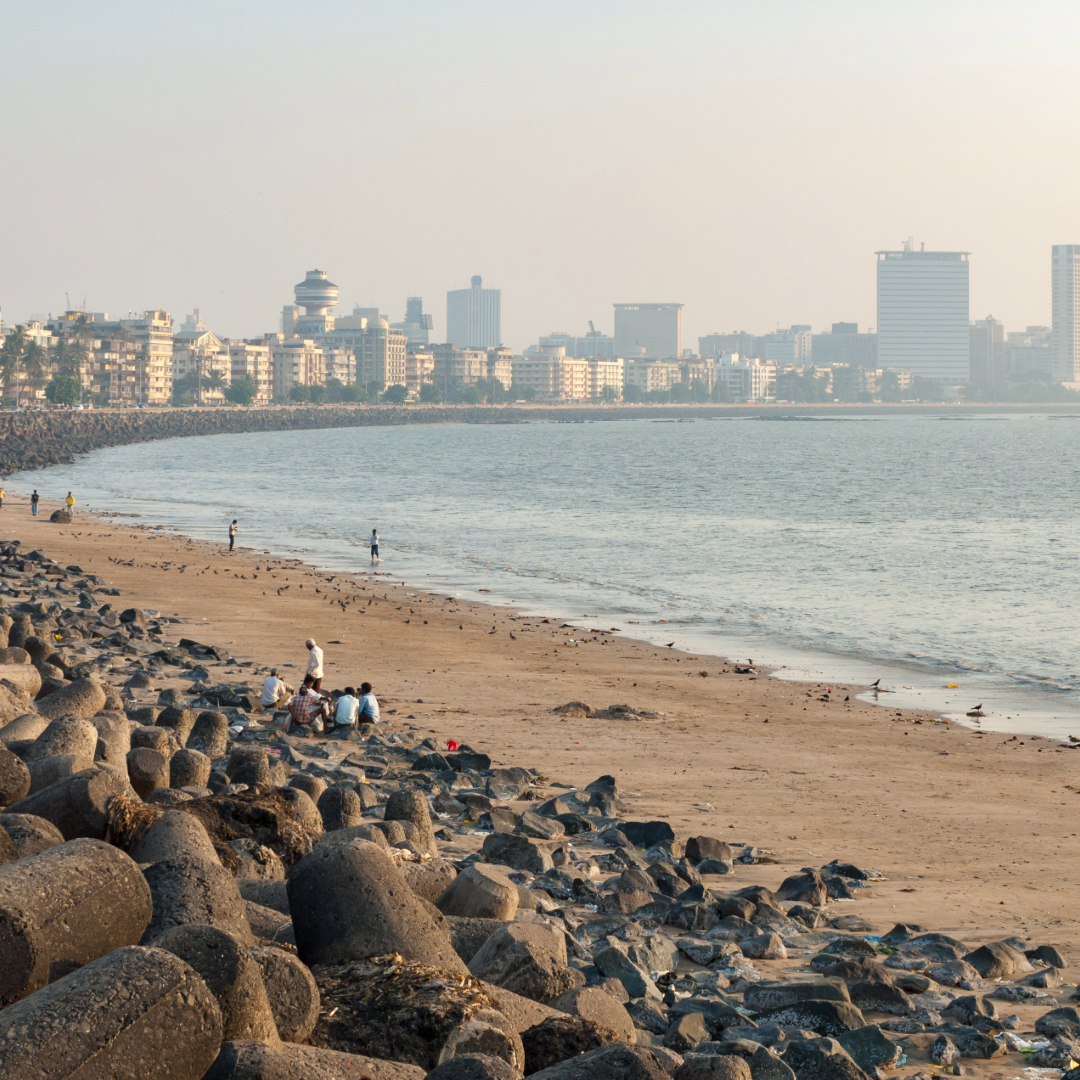
Marine Drive is a 3.6-kilometer, C-shaped seaside promenade along the Arabian Sea in South Mumbai, India. Officially known as Netaji Subhash Chandra Bose Road, it connects Nariman Point to Babulnath and is celebrated for its sweeping views, Art Deco architecture, and the glittering “Queen’s Necklace” effect created by its arc of streetlights at night.
Key facts
- Length: 3.6 km (approx. 2.2 miles)
- Built: 1920s–1930s as part of Back Bay reclamation
- Architectural style: Art Deco seafront buildings
- Alias: Queen’s Necklace
- Access: Open 24 hours; no entry fee
2. Gateway of India
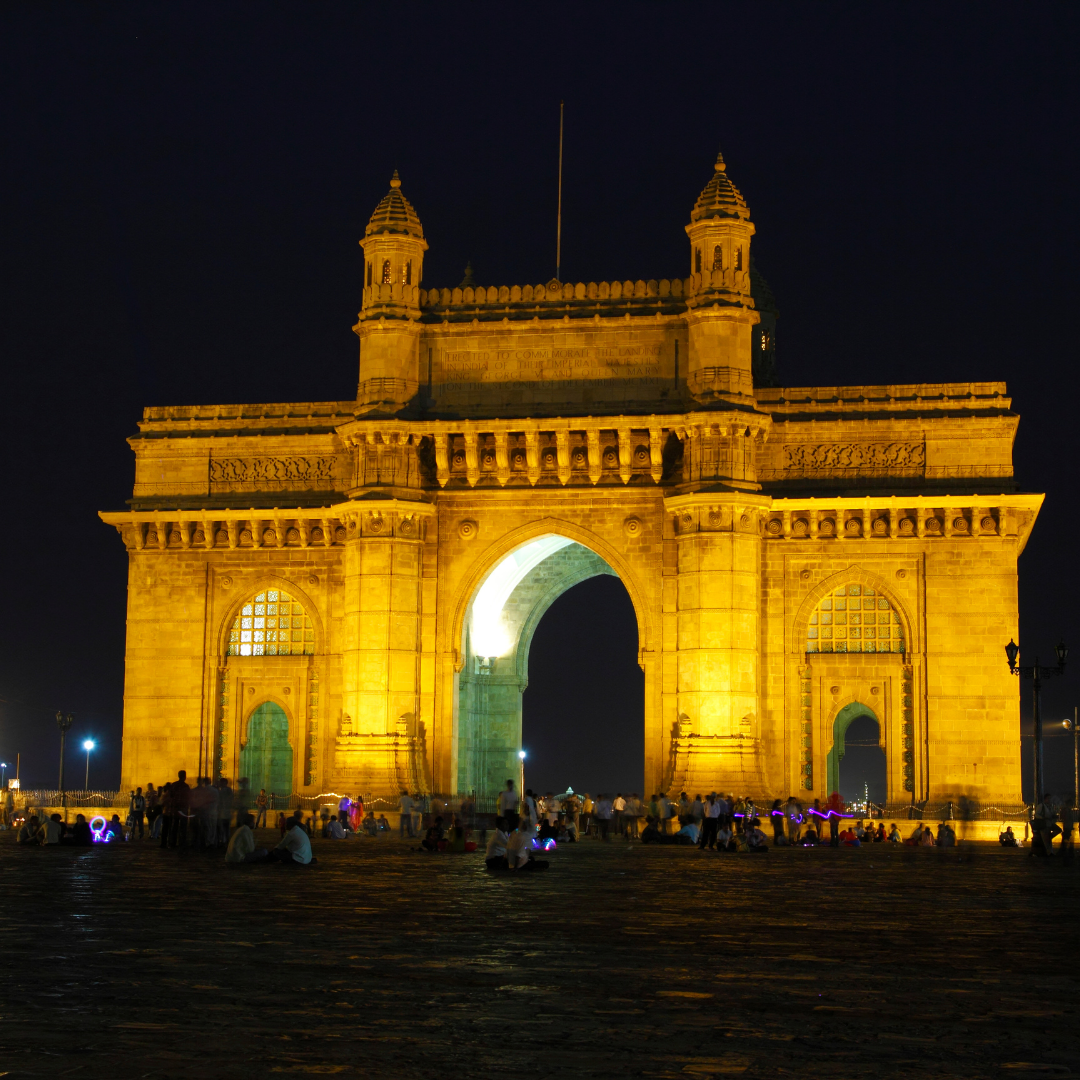
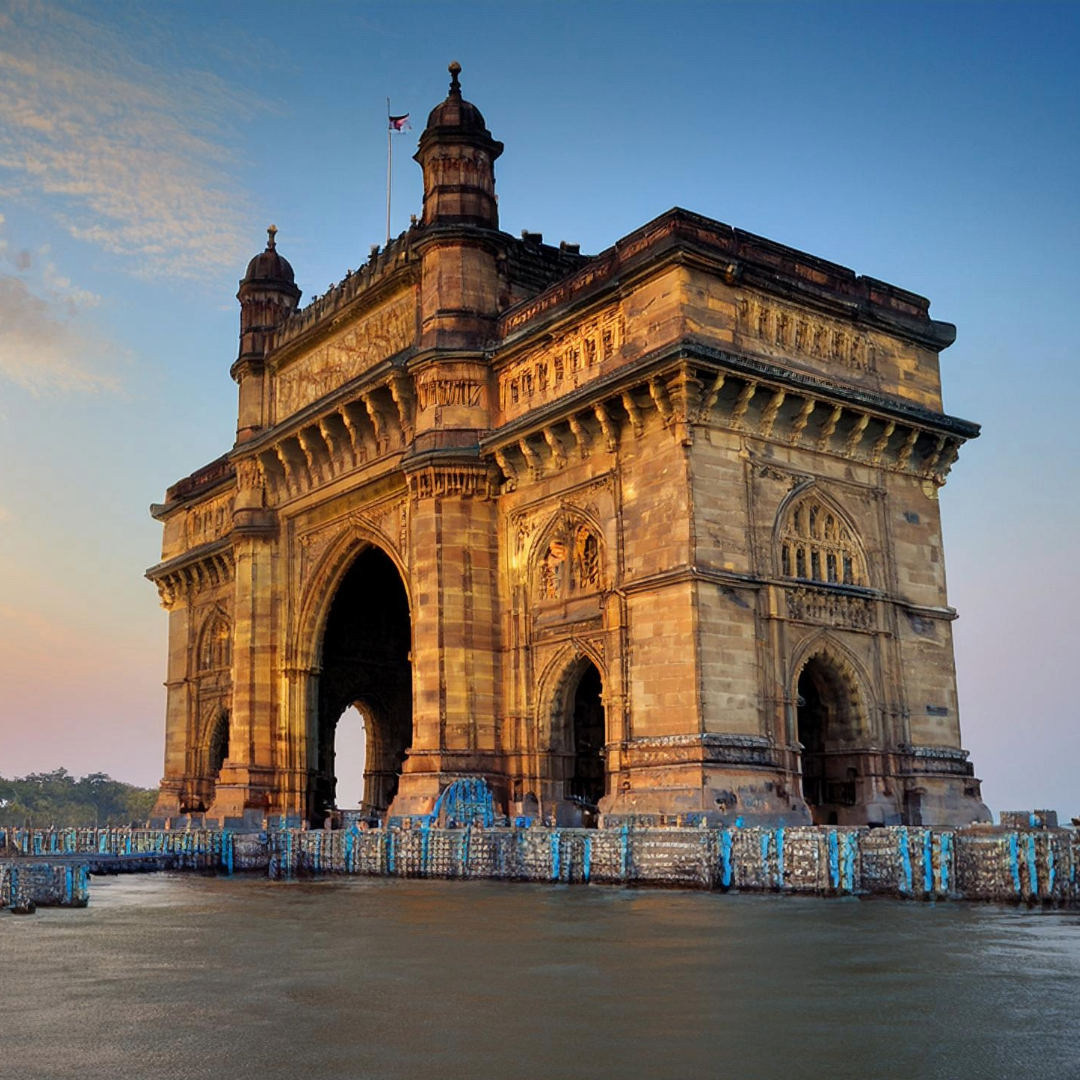
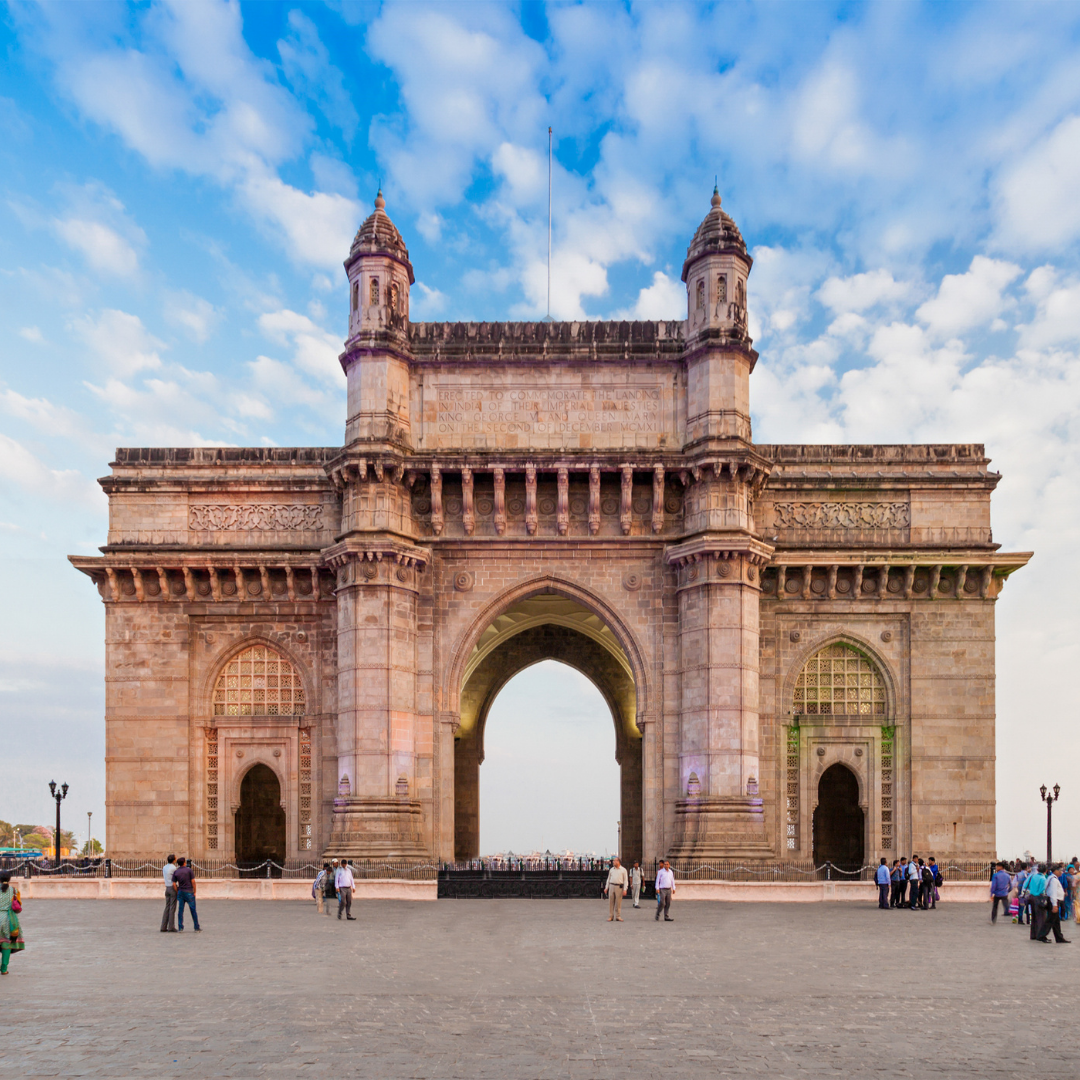
The Gateway of India is an iconic arch monument located on the waterfront of Apollo Bunder in Mumbai, Maharashtra, India. Completed in 1924, it is one of the city’s most visited landmarks and a major symbol of colonial and modern Mumbai.
Key facts
- Location:
The Gateway of India is located in Mumbai, Maharashtra, overlooking the Arabian Sea. - Built In:
Construction started in 1911 and was completed in 1924. - Historical Significance:
Built to commemorate the visit of King George V and Queen Mary to India. - Architectural Style:
Designed in Indo-Saracenic style, combining Hindu and Muslim architectural elements. - Material Used:
Constructed using yellow basalt stone and reinforced concrete. - Height:
The monument stands approximately 26 meters (85 feet) tall. - Historical Event:
It marked the departure of the last British troops from India in 1948 after independence. - Purpose:
Served as the ceremonial entrance to India for British viceroys and governors arriving by sea. - Tourist Attraction:
One of the most visited landmarks in India, attracting millions of tourists annually. - Nearby Activities:
Boat rides to Elephanta Caves start from here. - Nearby Landmark:
Located opposite the famous Taj Mahal Palace Hotel. - Cultural Importance:
A symbol of colonial history and modern Indian identity. - Visiting Hours:
Open 24 hours a day; best visited during early morning or evening. - Events & Gatherings:
Popular spot for cultural events, photography, and public gatherings.
3. Elephanta Caves
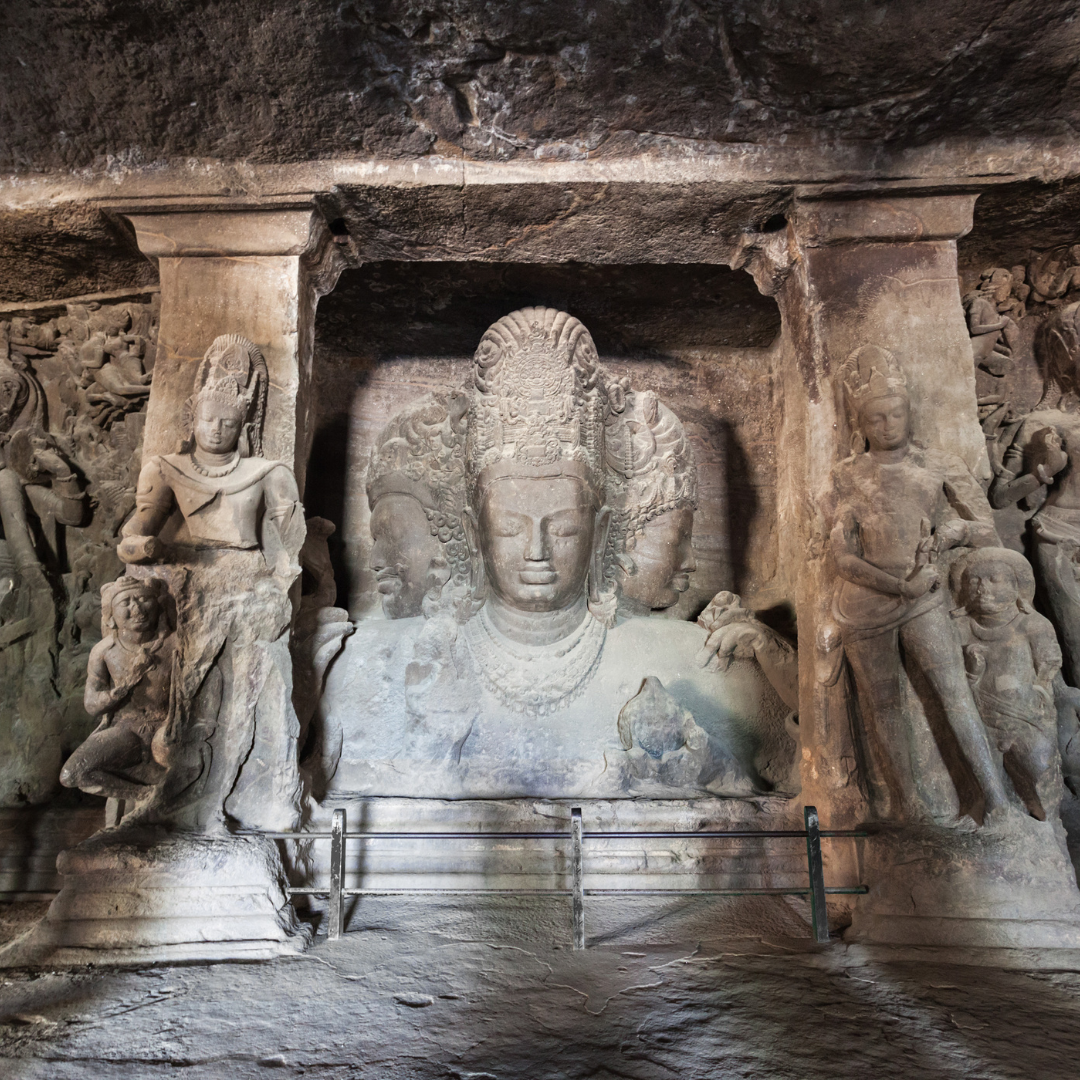

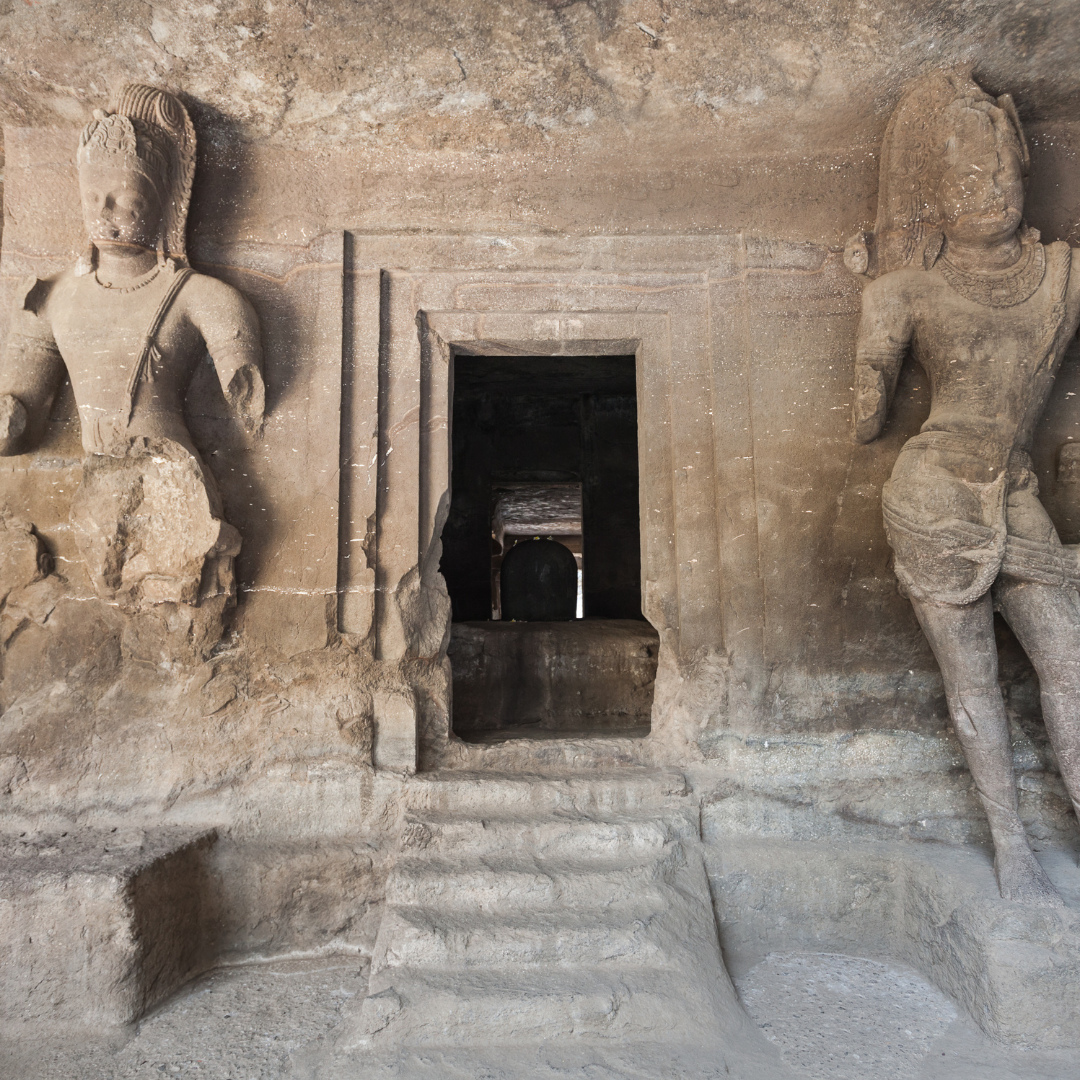
The Elephanta Caves are a network of rock-cut temples located on Elephanta Island in Mumbai Harbor, India. Renowned for their intricate Hindu and Buddhist sculptures, they exemplify Indian rock-cut architecture and are designated as a UNESCO World Heritage Site for their artistic and cultural significance.
Key Facts
- Located on Elephanta Island in Mumbai Harbour
- Declared a UNESCO World Heritage Site in 1987
- Consists of 7 caves, with Cave 1 being the most significant
- Famous for the Trimurti sculpture (three-faced Shiva, 20 feet high)
- Carved entirely out of basalt rock
- Represents Hindu religious art, mainly dedicated to Lord Shiva
- Accessible by ferry from the Gateway of India
- Closed on Mondays for visitors
- Features intricate carvings like Nataraja (dancing Shiva) and Ardhanarishvara
- A major attraction for history lovers, tourists, and photographers
4. Taj Mahal Palace Hotel
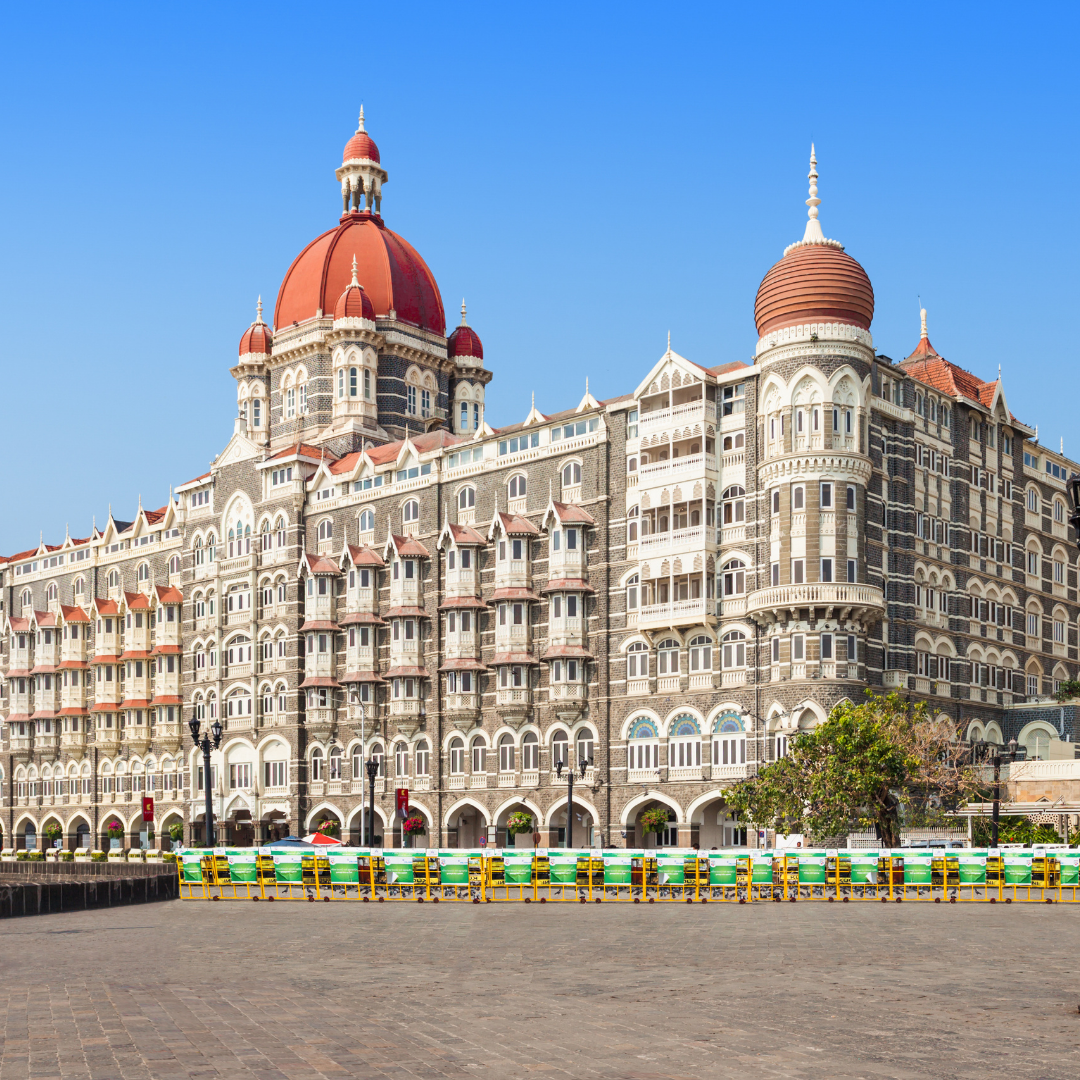

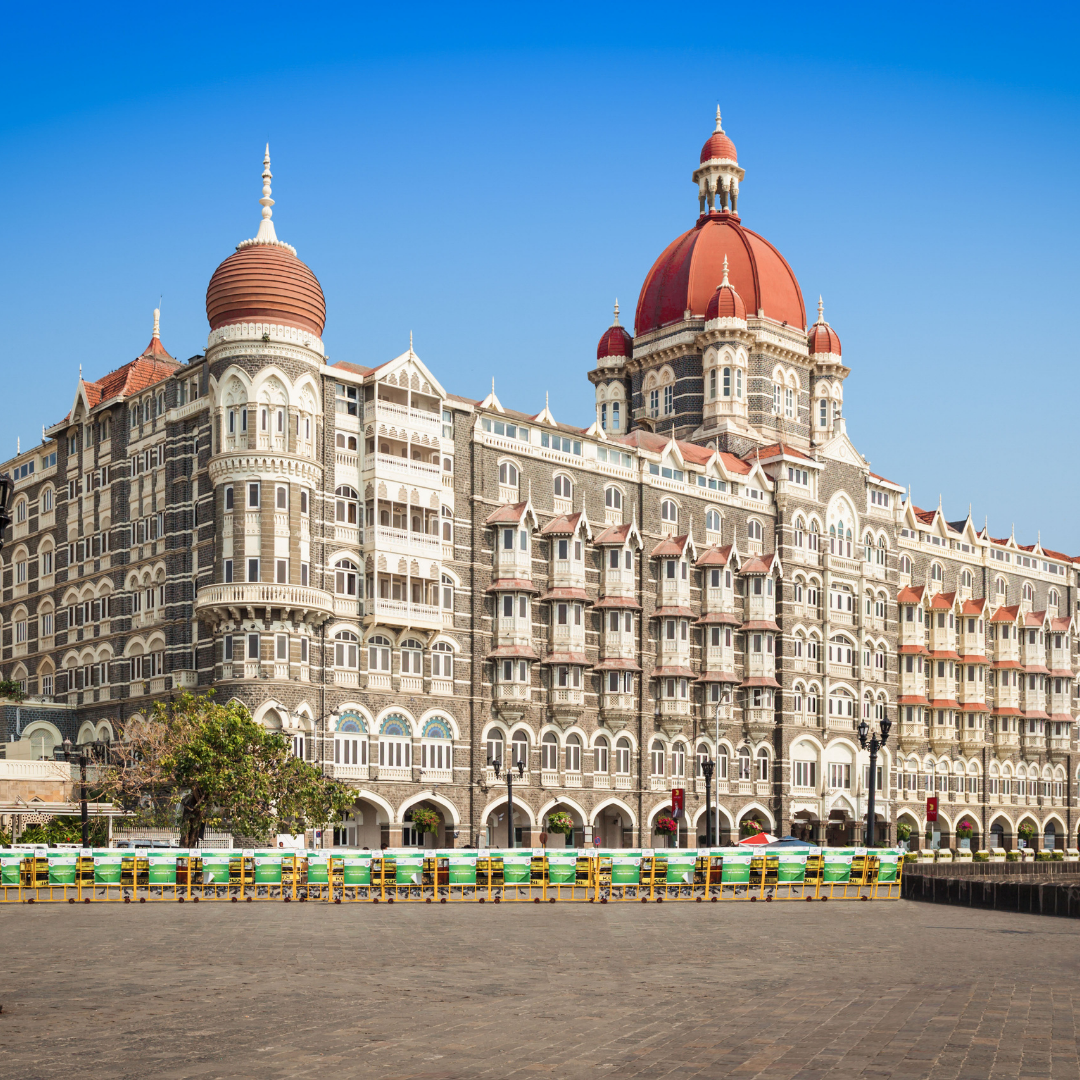
The Taj Mahal Palace Hotel is one of India’s most iconic luxury hotels, located in Mumbai overlooking the Gateway of India. Opened in 1903, this historic hotel is a symbol of elegance, heritage, and world-class hospitality.
Owned by the Tata Group, the hotel blends Indo-Saracenic architecture with modern luxury, making it a top destination for tourists, celebrities, and business travelers.
Key facts
- Established: 1903
- Founder: Jamsetji Tata
- Location: Apollo Bunder, Mumbai, India
- Hotel Type: 5-star luxury heritage hotel
- Owner: Indian Hotels Company Limited
- Rooms & Suites: 500+ rooms including luxury suites
- Architecture Style: Indo-Saracenic, Moorish, and Florentine influences
- View: Arabian Sea and Gateway of India
- Dining Options: Multiple fine-dining restaurants and bars
- Awards: Frequently ranked among the best hotels in Asia and the world
Best Time to Visit Mumbai
- Winter (Nov–Feb): Best weather for tourism
- Monsoon (Jun–Sep): Heavy rains but scenic views
- Summer (Mar–May): Hot and humid
How to Reach Mumbai
1. By Air (Fastest Way to Reach Mumbai)
- The main airport is Chhatrapati Shivaji Maharaj International Airport
- Located about 25–30 km from the city center
- Well-connected to major Indian and international cities
- Domestic and international terminals available
Best for: Long-distance and international travelers
2. By Train (Most Popular Option)
- Major railway station: Chhatrapati Shivaji Maharaj Terminus
- Other stations: Dadar, Lokmanya Tilak Terminus, Mumbai Central
- Connected via Indian Railways to all major cities
Best for: Budget-friendly and convenient travel across India
3. By Road (Flexible Travel Option)
- Mumbai is connected via national highways like:
- NH 48 (Delhi–Mumbai)
- NH 160
- You can travel by:
- Private car
- State-run buses (MSRTC)
- Private buses and taxis
Best for: Nearby cities like Pune, Nashik, and Surat
2. Pune – Cultural Capital


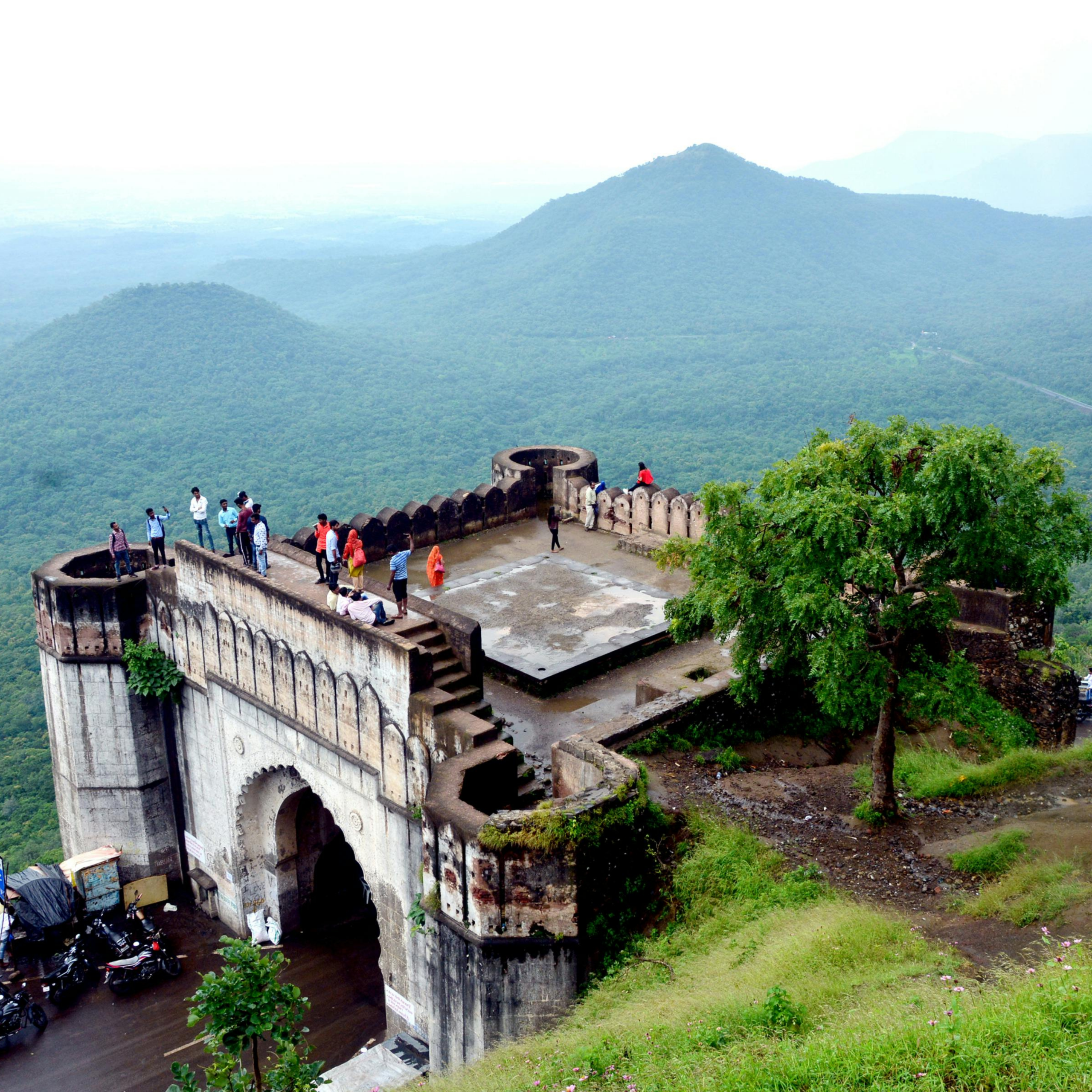
Pune is a major city in the Indian state of Maharashtra, located about 150 km southeast of Mumbai. Known as the “Oxford of the East,” it is a hub of education, technology, and culture, balancing a rich Maratha heritage with rapid urban growth.
Key facts
- State: Maharashtra, India
- Founded: 8th century CE (historical roots)
- Population: ~6.6 million (2023 estimate)
- Major rivers: Mula and Mutha
- Nicknames: Oxford of the East, Cultural Capital of Maharashtra
Top Tourist Attractions in Pune
1. Shaniwar Wada

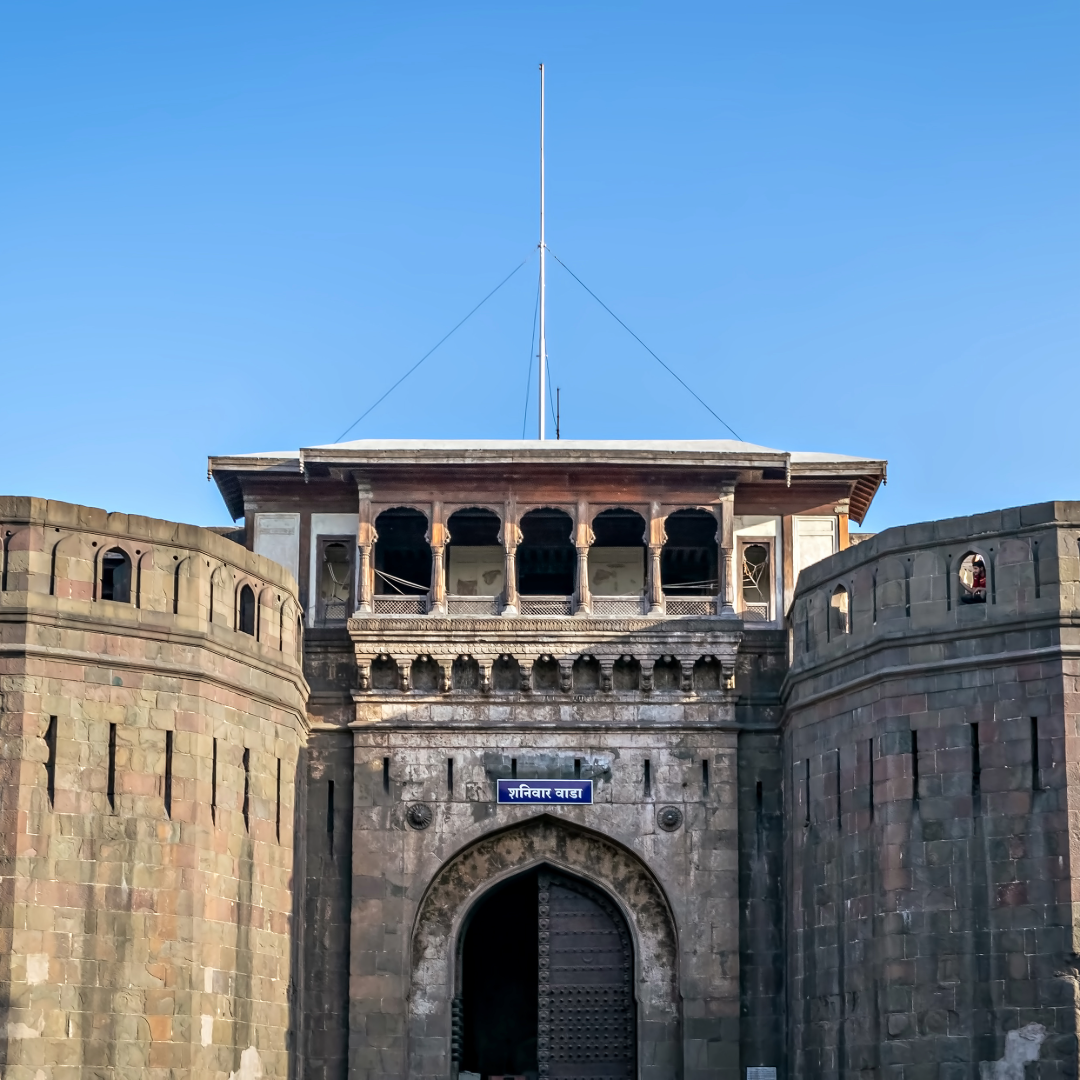
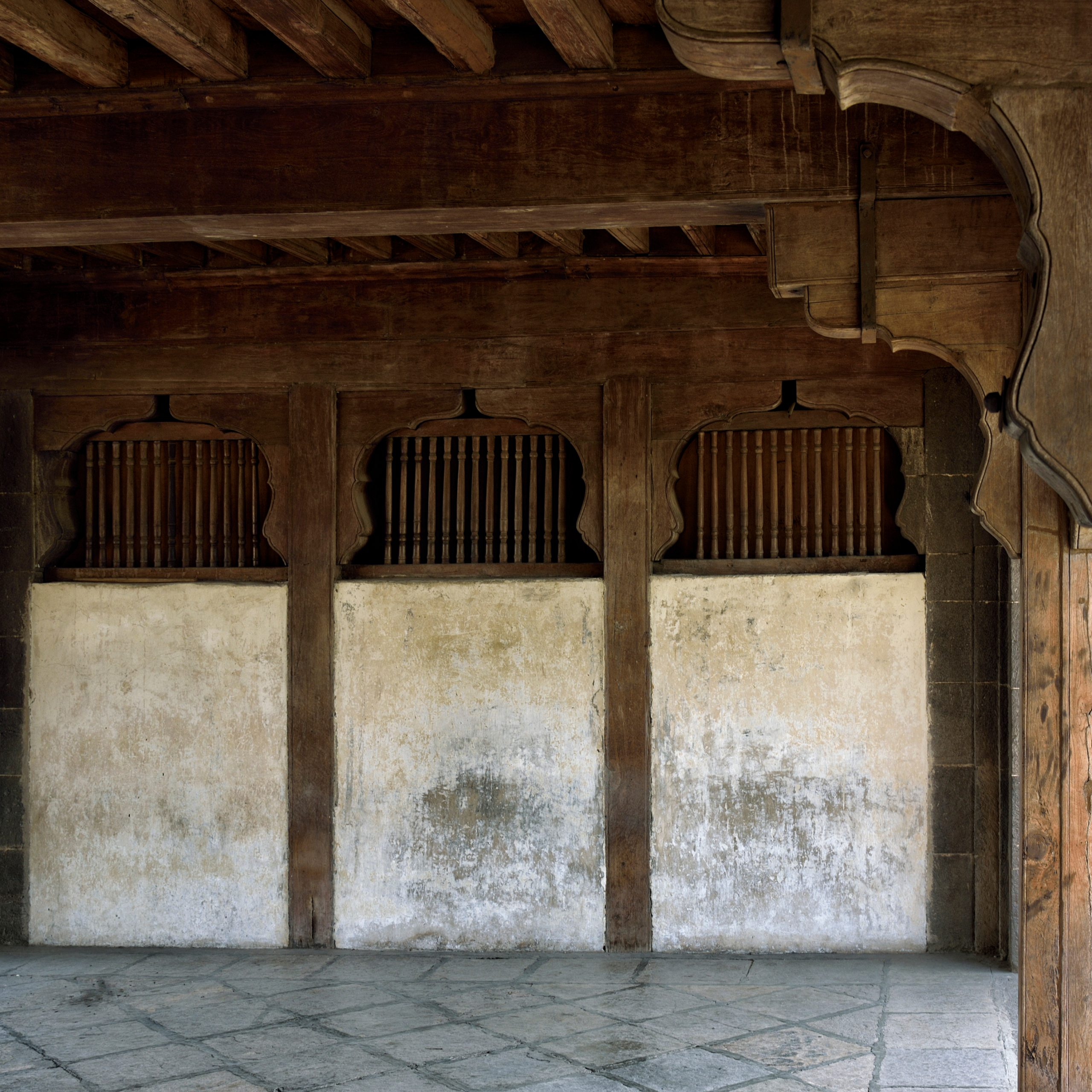
Shaniwar Wada is one of the most iconic historical landmarks in Maharashtra. Located in the heart of Pune, this grand fortification once served as the seat of the powerful Peshwas of the Maratha Empire.
Shaniwar Wada was constructed in 1732 by Baji Rao I, the prime minister of the Maratha Empire under Chhatrapati Shahu Maharaj.
Originally built as a grand palace, it symbolized the power and prestige of the Peshwas. The name “Shaniwar Wada” comes from the Marathi words:
- Shaniwar (Saturday) – the day construction began
- Wada – a traditional mansion
However, in 1828, a massive fire destroyed most of the structure, leaving behind the majestic ruins we see today.
Key Facts
- Built in 1732 by Baji Rao I
- Located in Pune
- Destroyed by a mysterious fire in 1828
- Has 5 grand gates, including Delhi Darwaza
- Features the famous Hazari Karanje fountain
- Served as headquarters of the Peshwas
- Known for its haunted legends
- Hosts a popular light and sound show
- Built using stone, brick, and teak wood
- One of the most visited historical sites in Maharashtra
2. Sinhagad Fort


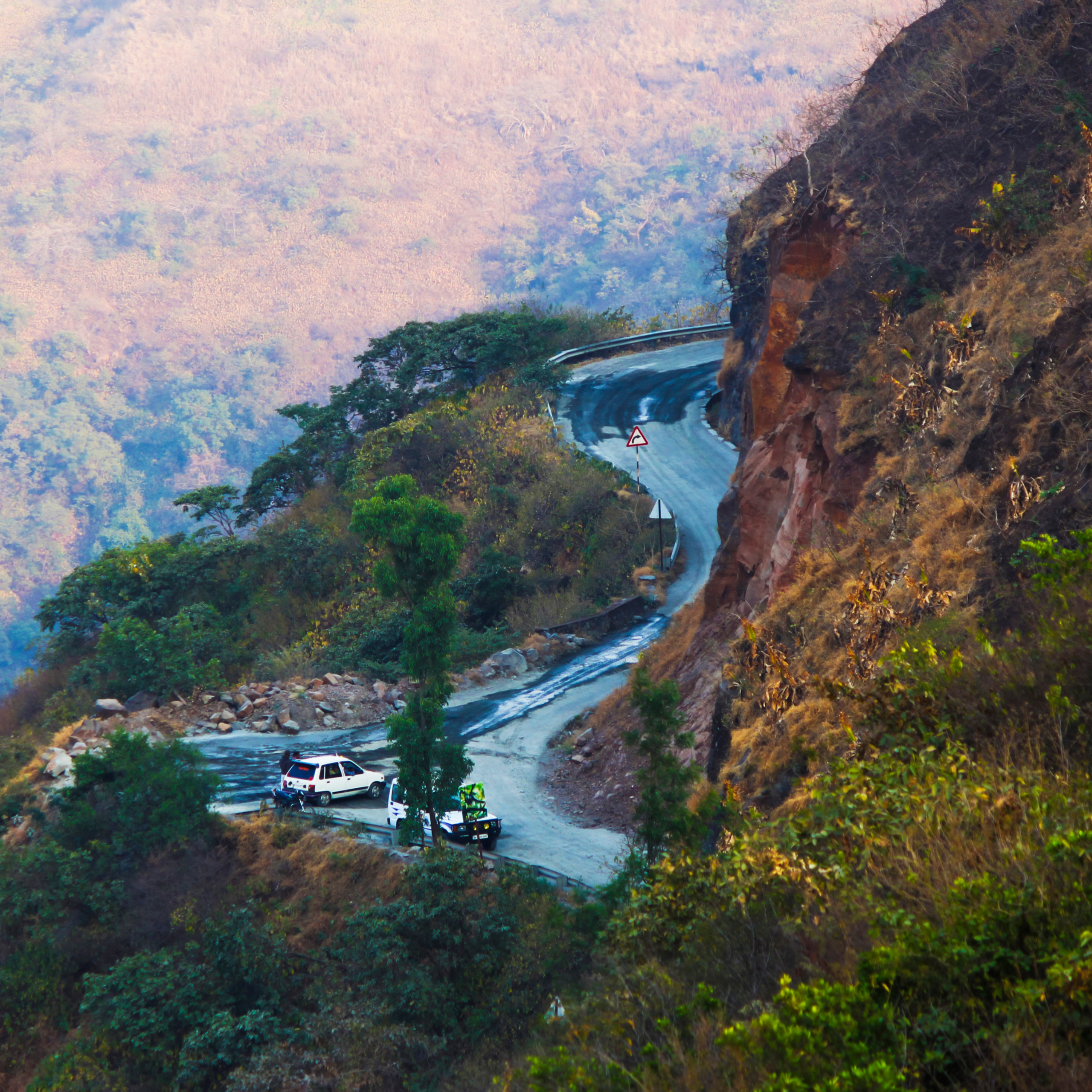
Sinhagad Fort is one of Maharashtra’s most iconic hill forts, located about 35 km southwest of Pune. Perched at an altitude of around 1,312 meters, the fort offers breathtaking views, thrilling trekking routes, and a deep connection to Maratha history.
Originally known as Kondhana Fort, Sinhagad gained its current name after a historic battle in 1670 led by the brave Maratha warrior Tanaji Malusare under the leadership of Chhatrapati Shivaji Maharaj.
The battle is legendary—Tanaji fought valiantly but lost his life. Upon hearing this, Shivaji Maharaj famously said:
“Gad aala, pan Sinha gela” (The fort is won, but the lion is lost).
This is how the fort came to be called Sinhagad (“Lion’s Fort”).
Key Facts
- Location: Near Pune, Maharashtra
- Height: ~1,312 meters above sea level
- Old Name: Kondhana Fort
- Famous Battle: 1670 (Tanaji Malusare vs Mughal forces)
- Associated With: Chhatrapati Shivaji Maharaj
- Trek Time: 1.5–2.5 hours
- Best Season: Monsoon & Winter
- Distance from Pune: ~35 km
- Special Food: Pithla Bhakri, Kanda Bhaji
- Popular Activity: Trekking & Photography
3. Aga Khan Palace
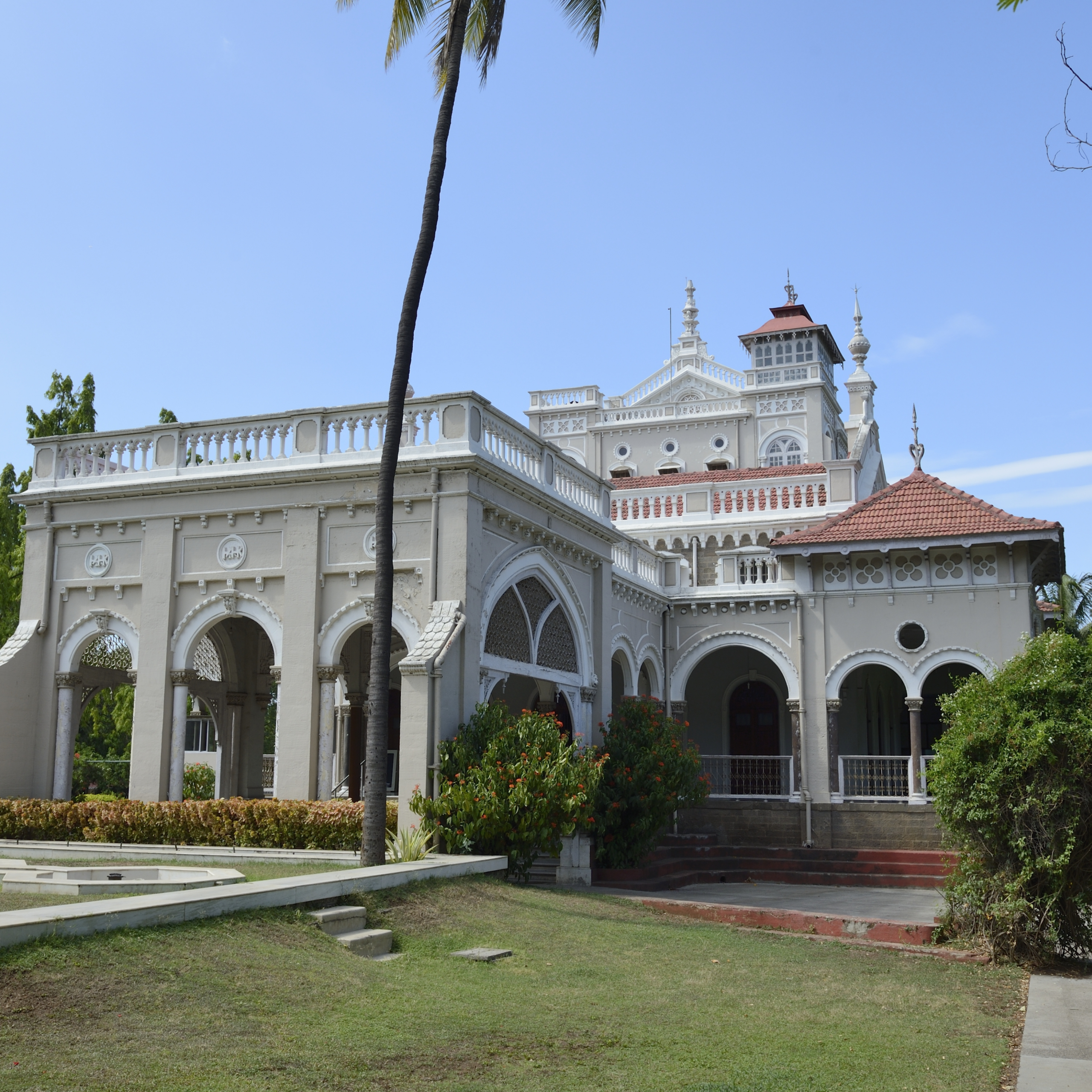

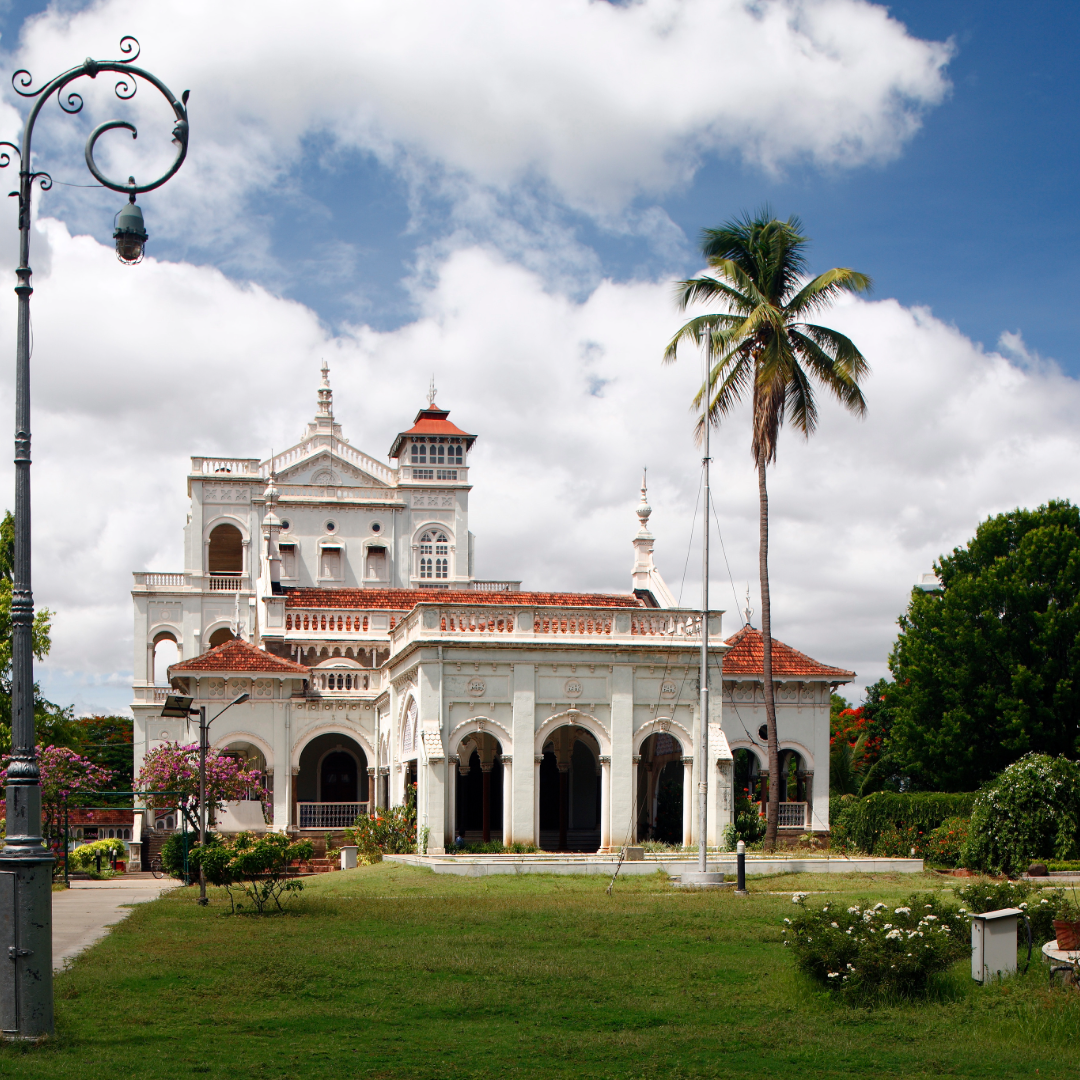
Aga Khan Palace is one of the most important historical monuments in India, closely associated with India’s freedom movement and the life of Mahatma Gandhi.
The palace was built in 1892 by Sultan Muhammed Shah Aga Khan III. It was constructed as a humanitarian effort to provide employment to people affected by famine in the region.
However, its significance grew during the Indian independence movement. In 1942, during the Quit India Movement, the British government imprisoned Mahatma Gandhi, his wife Kasturba Gandhi, and his secretary Mahadev Desai here.
Sadly, both Kasturba Gandhi and Mahadev Desai passed away during their confinement, and their memorials are now located within the palace premises.
Key Facts
- Built in: 1892
- Built by: Sultan Muhammed Shah Aga Khan III
- Location: Pune, Maharashtra
- Architectural style: Italianate
- Area: ~19 acres
- Historical importance: Prison during Quit India Movement
- Famous for: Gandhi’s imprisonment and memorials
- Memorials: Kasturba Gandhi & Mahadev Desai
- Maintained by: Archaeological Survey of India
- Entry fee: Nominal (varies for Indians/foreigners)
- Timings: Usually 9 AM – 5:30 PM
4. Pataleshwar Caves

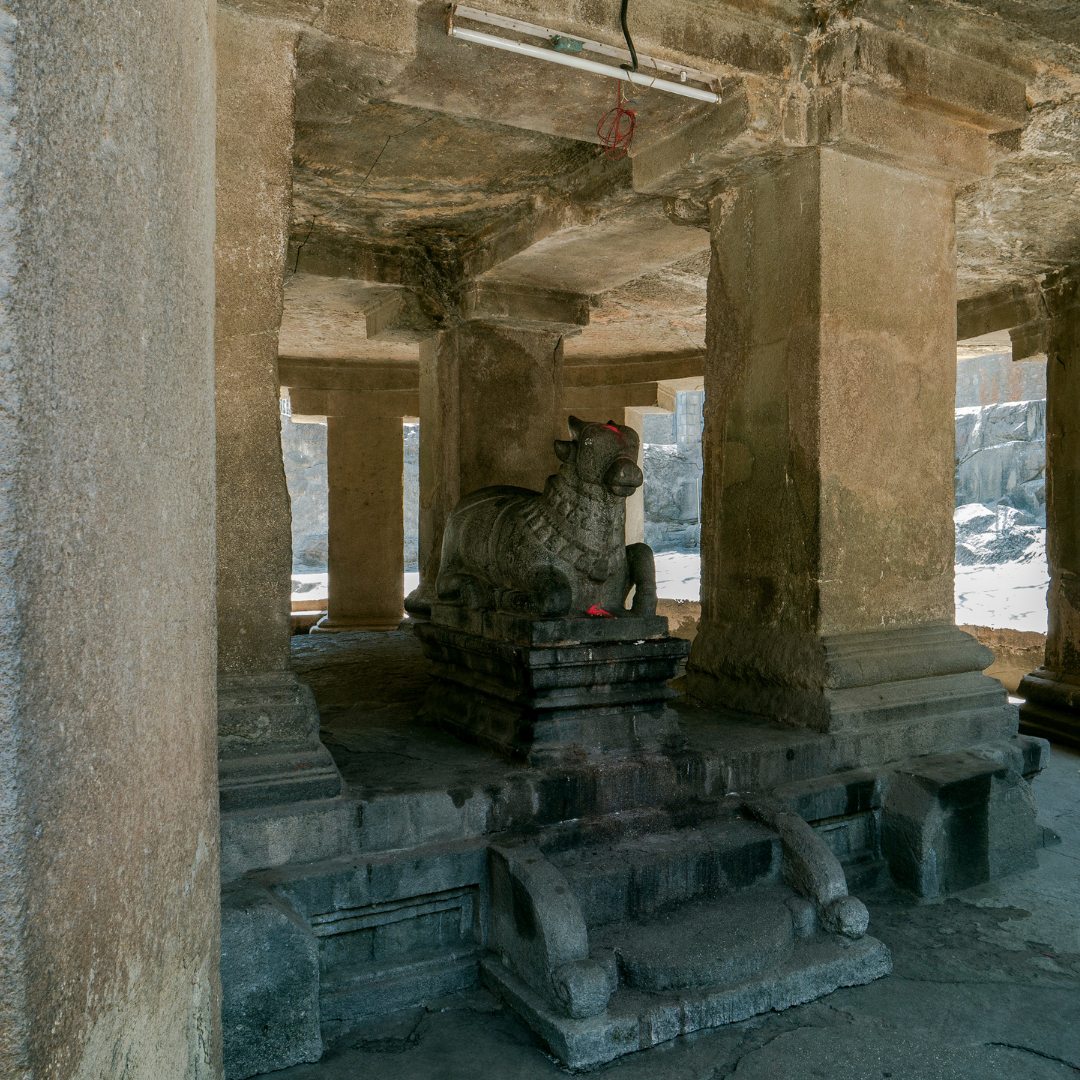
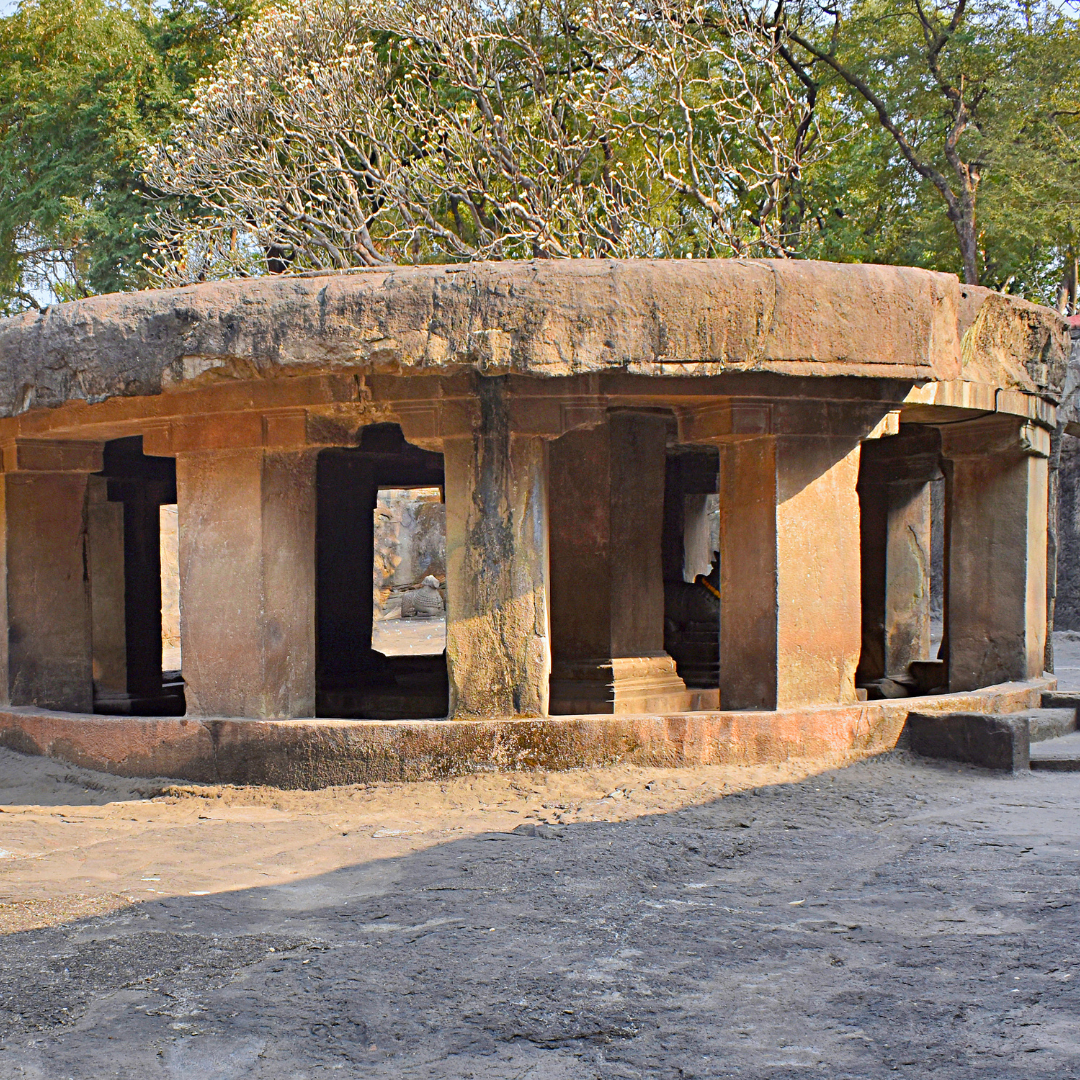
Pataleshwar Cave Temple is one of the oldest and most fascinating rock-cut temples in Maharashtra. Tucked away in the bustling city of Pune, this ancient cave temple offers a peaceful retreat and a glimpse into India’s early temple architecture.
The Pataleshwar Cave Temple dates back to the 8th century and is believed to have been built during the Rashtrakuta Dynasty period. The temple is carved out of a single basalt rock, showcasing the incredible craftsmanship of ancient Indian artisans.
Architectural Highlights:
- Monolithic Structure: Entirely carved from one rock
- Circular Nandi Mandapa: A rare freestanding circular pavilion housing Nandi (Shiva’s bull)
- Pillared Hall (Mandapa): Massive stone pillars supporting the cave
- Sanctum (Garbhagriha): Houses a sacred Shiva Lingam
The cave was likely intended to be larger, but construction appears to have been abandoned—possibly due to a flaw in the rock.
Best Time to Visit Pune
1. Winter (October to February)
Why visit:
- Pleasant weather (10°C – 25°C)
- Ideal for sightseeing, forts, and outdoor activities
- Perfect for exploring places like Sinhagad Fort & Shaniwar Wada
Recommended for: Tourists, couples, and family trips
2. Monsoon (June to September)
Why visit:
- Lush green landscapes
- Waterfalls and misty hills nearby (Lonavala, Mulshi)
- Romantic and refreshing atmosphere
Note: Heavy rains may affect travel plans
Recommended for: Nature lovers & photographers
3. Summer (March to May)
Why avoid:
- Hot temperatures (30°C – 40°C)
- Not comfortable for sightseeing
Best for: Budget travelers (off-season deals)
How to Reach Pune
1. By Air
- Main airport: Pune Airport (Lohegaon Airport)
- Connected to major cities like Delhi, Bangalore, Hyderabad, and Chennai
- About 10 km from city center
2. By Train
- Main station: Pune Junction Railway Station
- Well-connected to Mumbai, Delhi, Chennai, Hyderabad
- Frequent trains from Mumbai (3–4 hours)
3. By Road
- Excellent highways like Mumbai–Pune Expressway
- Regular buses (MSRTC & private)
- Self-drive is a great option for scenic routes
Travel time examples:
- Mumbai → Pune: ~3 hours
- Nashik → Pune: ~5 hours
- Bangalore → Pune: ~12–14 hours
3. Nagpur – Orange City


Nagpur is a major city in eastern Maharashtra, India, often called the “Orange City” for its famous citrus trade. Serving as Maharashtra’s winter capital, it is a key administrative, commercial, and cultural hub of the Vidarbha region, known for its central location marked by the Zero Mile Stone, denoting the geographical center of India.
Key facts
- Founded: Early 18th century by Gond ruler Bakht Buland Shah
- Population: ~4.6 million (Nagpur District, 2011 Census)
- Nickname: Orange City; Tiger Capital of India
- Area: ~393.5 km² (urban)
- Languages: Marathi (official), Hindi, English, Urdu
Top Tourist Attractions in Nagpur
1. Deekshabhoomi

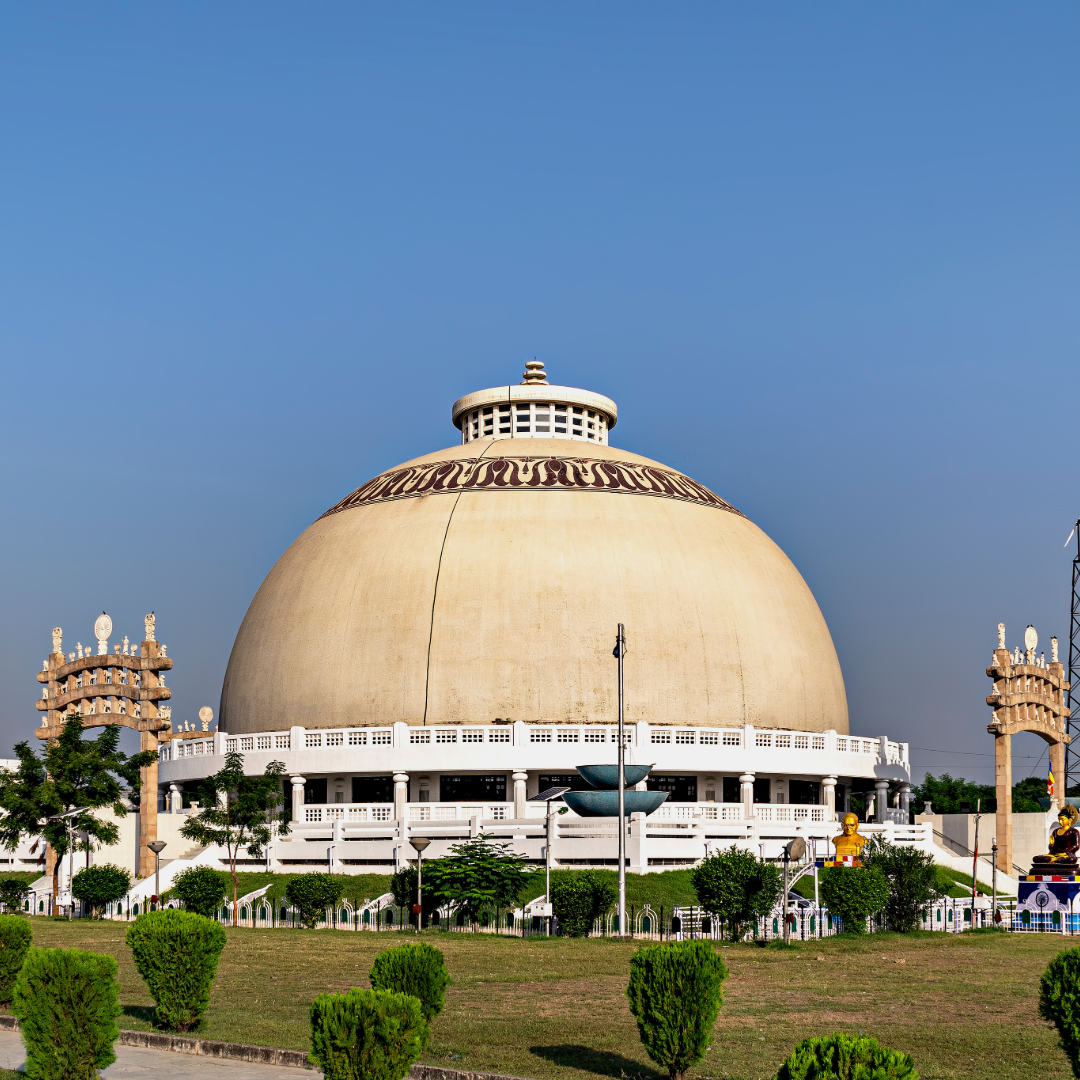

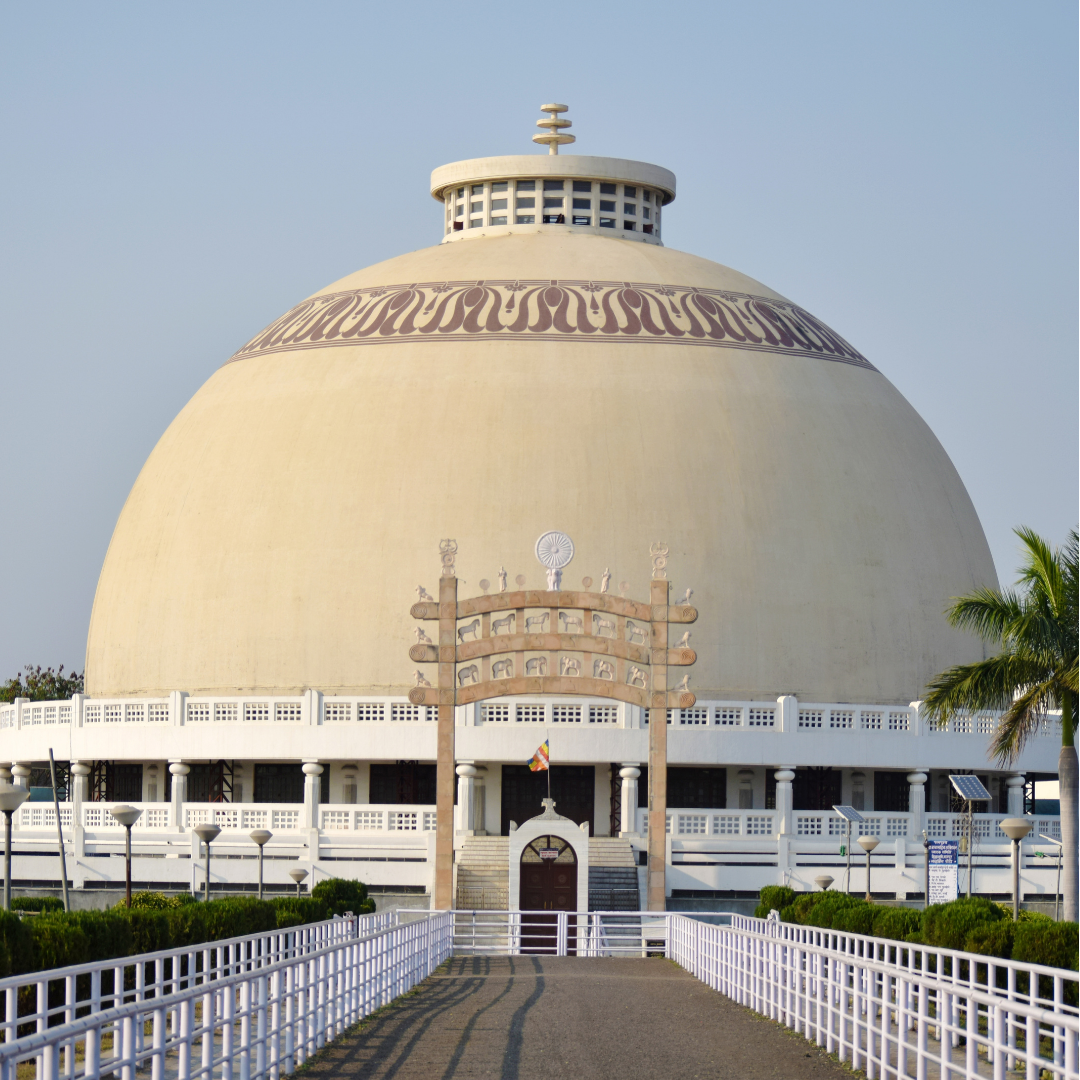
Deekshabhoomi is one of the most sacred and historically significant Buddhist sites in India. Located in Nagpur, it marks the place where Dr. B. R. Ambedkar embraced Buddhism along with millions of his followers on October 14, 1956—a turning point in modern Indian social history.
Deekshabhoomi literally means “place of initiation.” It symbolizes the mass conversion movement led by Dr. Ambedkar to escape caste-based discrimination and promote equality.
- On Dhamma Chakra Pravartan Day, Ambedkar adopted Buddhism.
- Around 600,000 followers converted with him.
- It is considered one of the largest peaceful religious conversions in history.
This event is deeply connected to the revival of Buddhism in India.
Key Facts
- Located in Nagpur
- Historic event date: October 14, 1956
- Associated with Dr. B. R. Ambedkar
- Around 600,000 people converted to Buddhism here
- One of the largest hollow stupas in the world
- Symbol of social equality and justice
- Hosts Dhamma Chakra Pravartan Day annually
- Popular place for meditation and pilgrimage
- Important center for modern Buddhist movement in India
2. Ramtek Temple
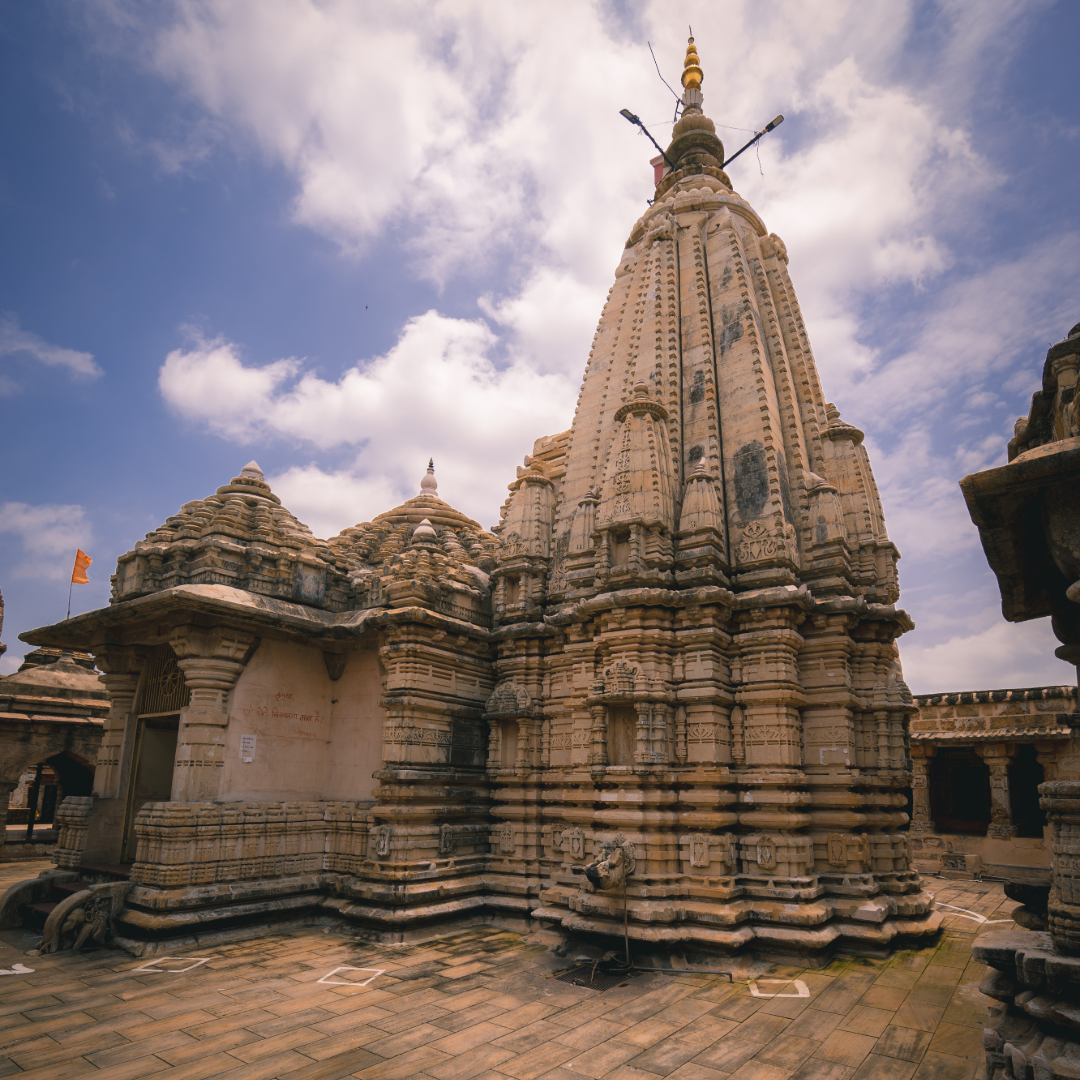
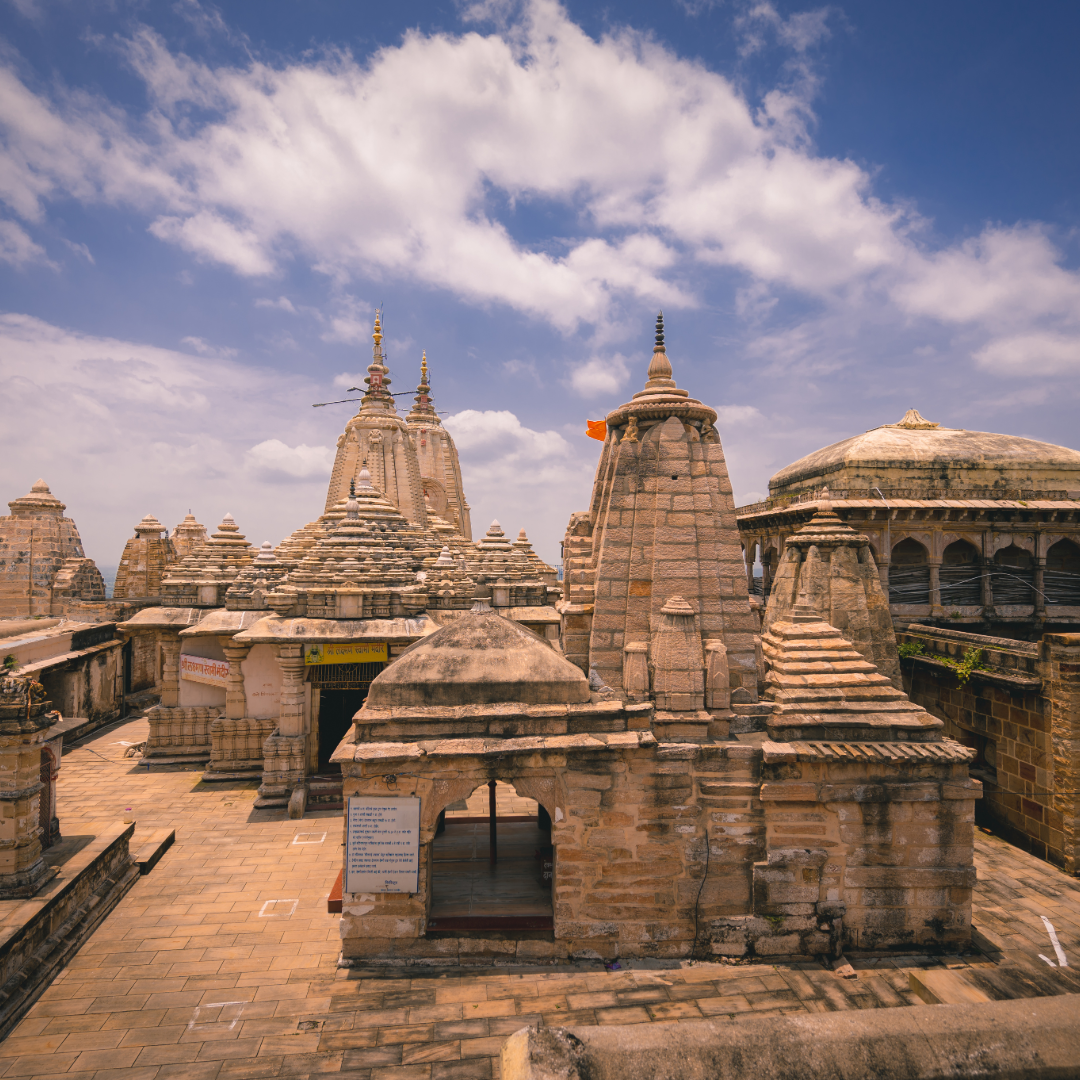

The Ramtek Temple is a sacred Hindu pilgrimage site located near Nagpur in the town of Ramtek. Dedicated to Lord Rama, this temple sits atop a hill and offers a powerful blend of spirituality, mythology, and scenic beauty.
- Built on a hilltop with 700+ steps leading to the temple
- Surrounded by fort-like walls
- Features traditional Hindu temple architecture
- Houses idols of Lord Rama, Lakshmana, and Sita
The climb itself is considered a spiritual journey by many devotees.
Key Facts
- Located in Ramtek near Nagpur
- Dedicated to Lord Rama
- Around 700+ steps to reach the temple
- Built within ancient fort walls
- Linked to Kalidasa
- Offers panoramic views of surrounding nature
- Famous for Ram Navami celebrations
- About 50 km from Nagpur city
- Popular for photography and scenic beauty
- Important Hindu pilgrimage destination in Maharashtra
3. Umred Karhandla Wildlife Sanctuary
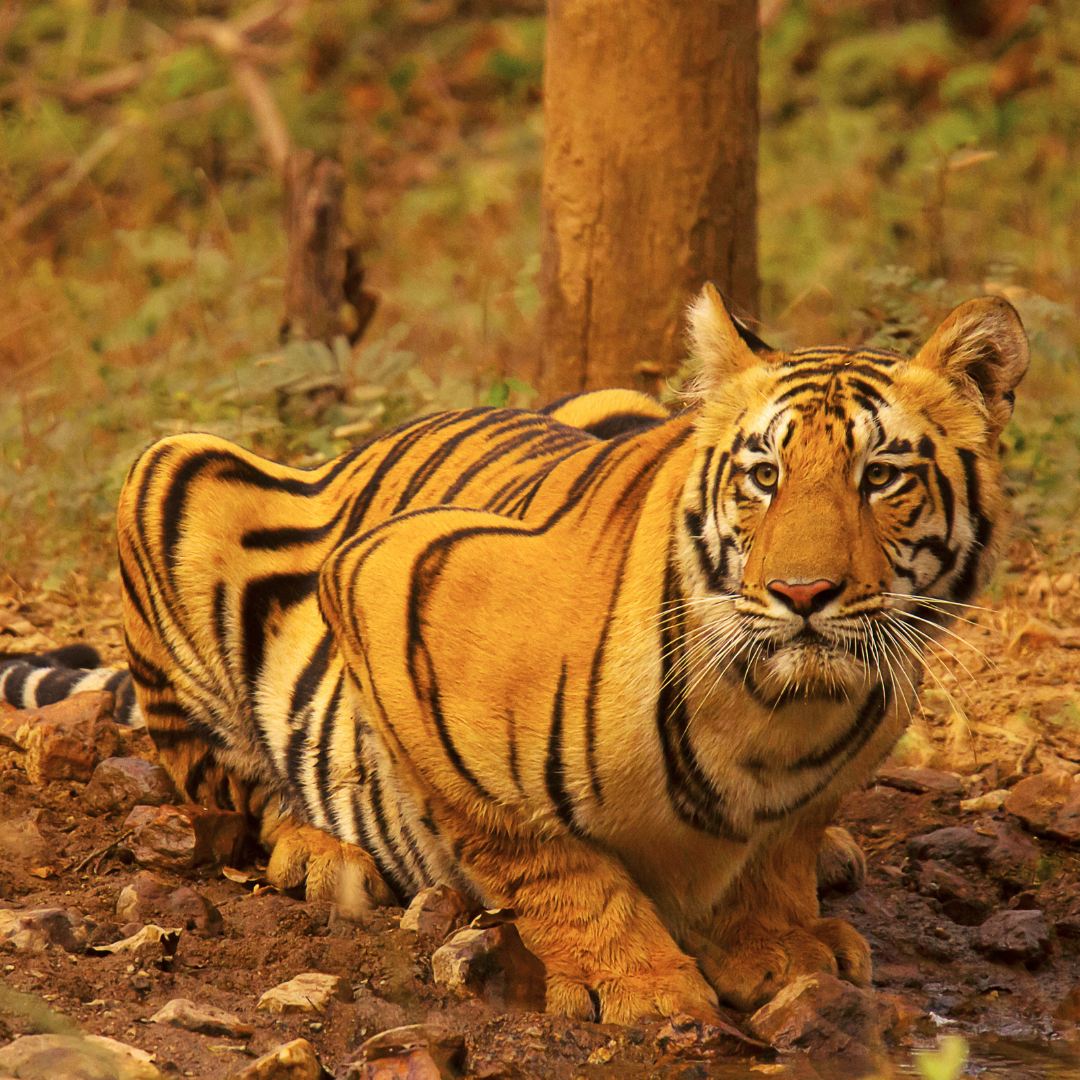

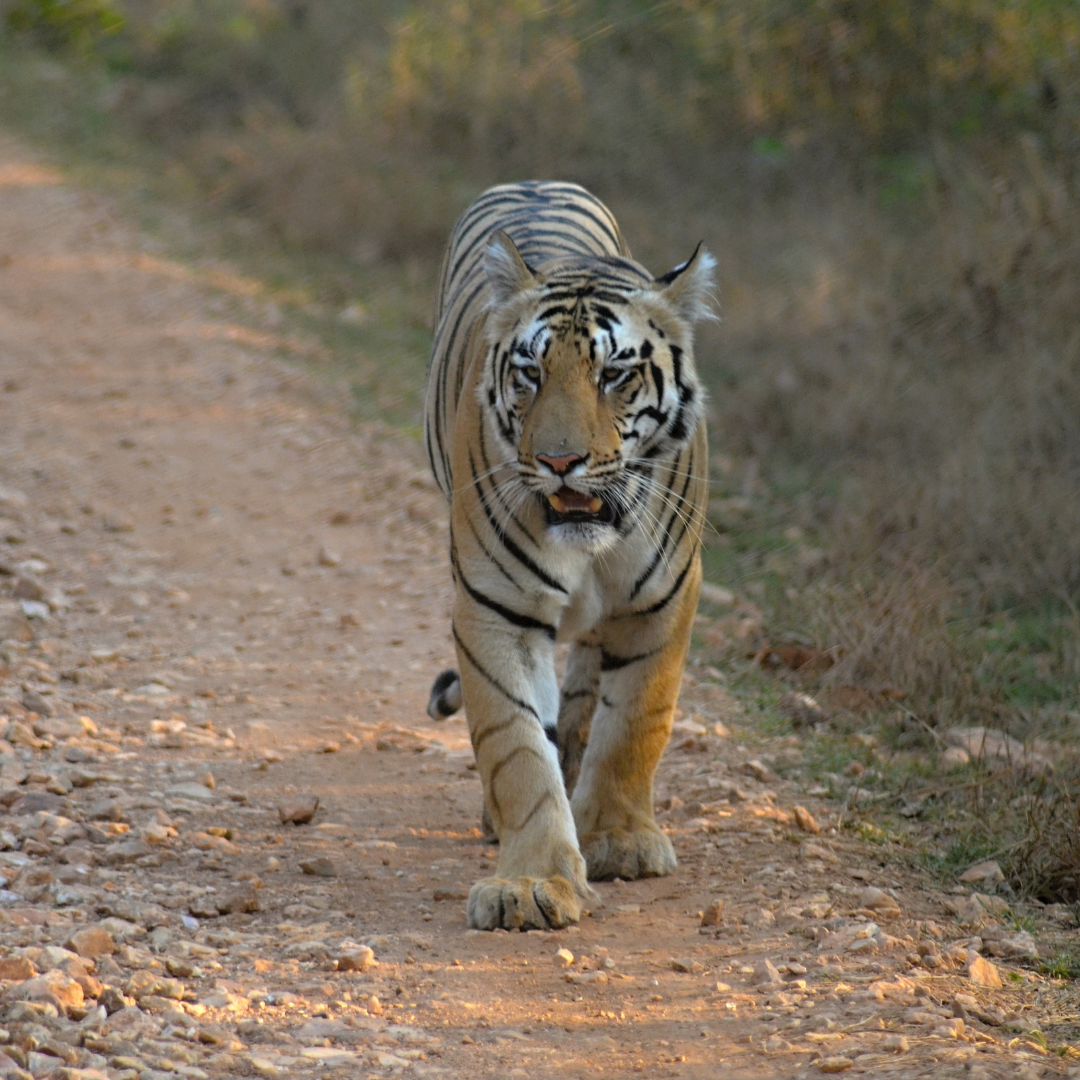
Umred Karhandla Wildlife Sanctuary is one of Maharashtra’s rising wildlife destinations, especially known for its thriving tiger population and less crowded safari experience compared to bigger reserves like Tadoba.
Located about 50 km from Nagpur, this sanctuary has quickly gained popularity among wildlife enthusiasts, photographers, and nature lovers. It forms an important corridor connecting nearby forest reserves, making it rich in biodiversity.
Wildlife You Can Spot:
- Bengal Tigers (main attraction)
- Leopards
- Sloth Bears
- Wild Dogs (Dholes)
- Sambar Deer
- Nilgai (Blue Bull)
- Wild Boar
Birdlife:
- Peacocks
- Eagles and Hawks
- Woodpeckers
- Migratory birds in winter
Key Facts
- Location: Near Nagpur, Maharashtra
- Area: ~189 sq km
- Famous For: Tiger sightings and wildlife safaris
- Forest Type: deciduous forest
- Safari Timings: Morning & evening slots
- Best Season: October to June
- Closed During: Monsoon season
- Major Animals: Tigers, leopards, sloth bears, deer
- Distance from Nagpur: ~50 km
- Ideal For: Wildlife photography & nature trips
How to Reach Nagpur
1. By Air (Fastest Option)
- Airport: Dr. Babasaheb Ambedkar International Airport
- Direct flights from major cities like Delhi, Mumbai, Hyderabad, Bengaluru
- Well-connected via domestic airlines
Best for travelers who want a quick and comfortable journey.
2. By Train (Most Popular)
- Station: Nagpur Junction (major railway hub)
- Lies on major routes like Delhi–Chennai & Mumbai–Kolkata
- Frequent trains from all metro cities
Ideal for budget travelers and long-distance journeys.
3. By Road (Scenic Option)
- Well-connected via national highways
- Regular buses from cities like Hyderabad, Pune, Raipur
- Self-drive is also a great option
Perfect if you enjoy road trips and flexible travel.
Best Time to Visit Nagpur
1. Winter (October to February)
- Temperature: 10°C – 25°C
- Pleasant and comfortable weather
- Best for sightseeing and outdoor activities
Highly recommended for tourists
2. Monsoon (June to September)
- Moderate rainfall
- Lush greenery around the region
- Good for nature lovers
Suitable for nearby wildlife visits like sanctuaries
3. Summer (March to May)
- Temperature: can exceed 45°C
- Very hot and dry climate
Only recommended for budget travel or tiger safaris (early morning)
4. Aurangabad – Gateway to Heritage
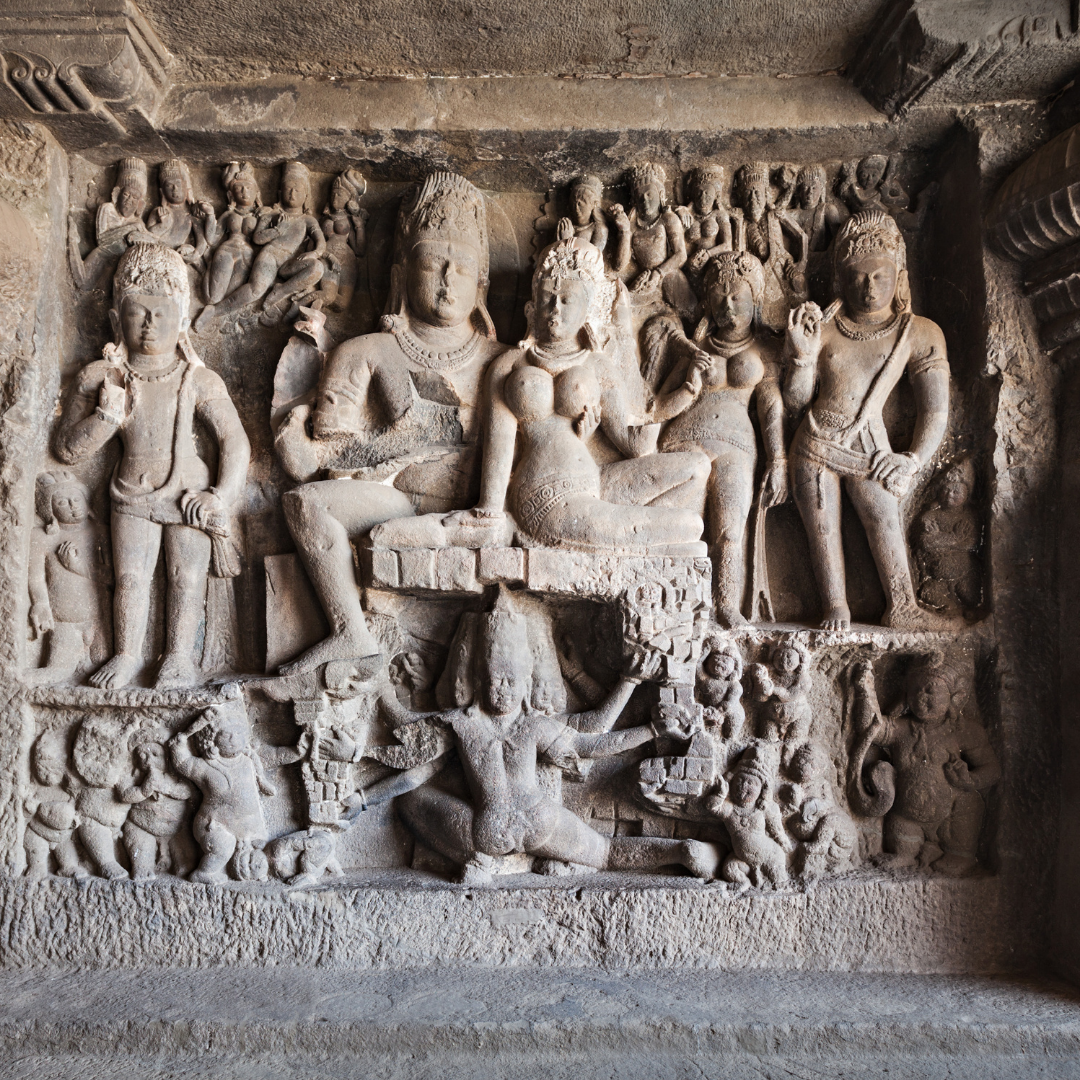
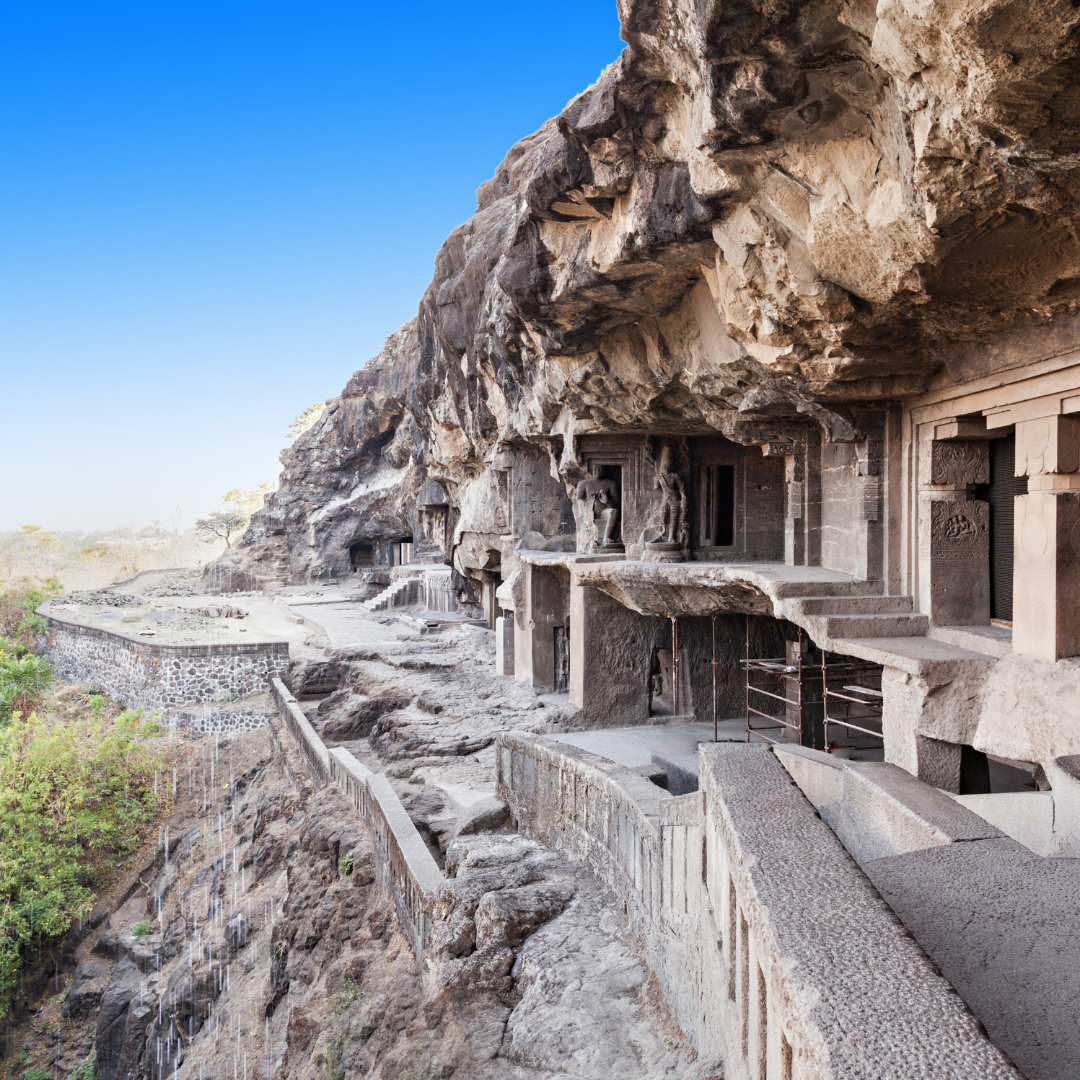

Aurangabad is a major city in the state of Maharashtra, India, known for its rich Mughal heritage and proximity to UNESCO World Heritage Sites. It serves as a cultural and historical hub, blending centuries-old architecture with growing industrial and educational importance.
Key facts
- State: Maharashtra, India
- Founded: 1610 CE
- Population: ~1.2 million (2023 est.)
- Famous sites: Ajanta Caves, Ellora Caves, Bibi Ka Maqbara
- Renamed: Chhatrapati Sambhajinagar (officially in 2022)
Top Tourist Attractions in Chhatrapati Sambhajinagar (Aurangabad)
1. Ajanta & Ellora Caves

About Ajanta
The Ajanta Caves are a series of 30 rock-cut Buddhist caves carved into a horseshoe-shaped cliff along the Waghora River.
What Makes Ajanta Special
- Famous for ancient fresco paintings and murals
- Depicts the life of Buddha and Jataka tales
- Considered masterpieces of early Indian art
History
- Built between 2nd century BCE and 6th century CE
- Rediscovered in 1819 by a British officer
- Used as monasteries and prayer halls by Buddhist monks
Main Attractions
- Cave 1 & 2: Detailed paintings
- Cave 19: Chaitya hall (prayer hall)
- Cave 26: Large reclining Buddha
Key Facts
Ajanta Caves
- Located near Chhatrapati Sambhajinagar (Aurangabad)
- Total caves: 30
- Known for: Paintings & frescoes
- Shape: Horseshoe-shaped cliff
- UNESCO Site: Since 1983
- Best time to visit: November to March
About Ellora
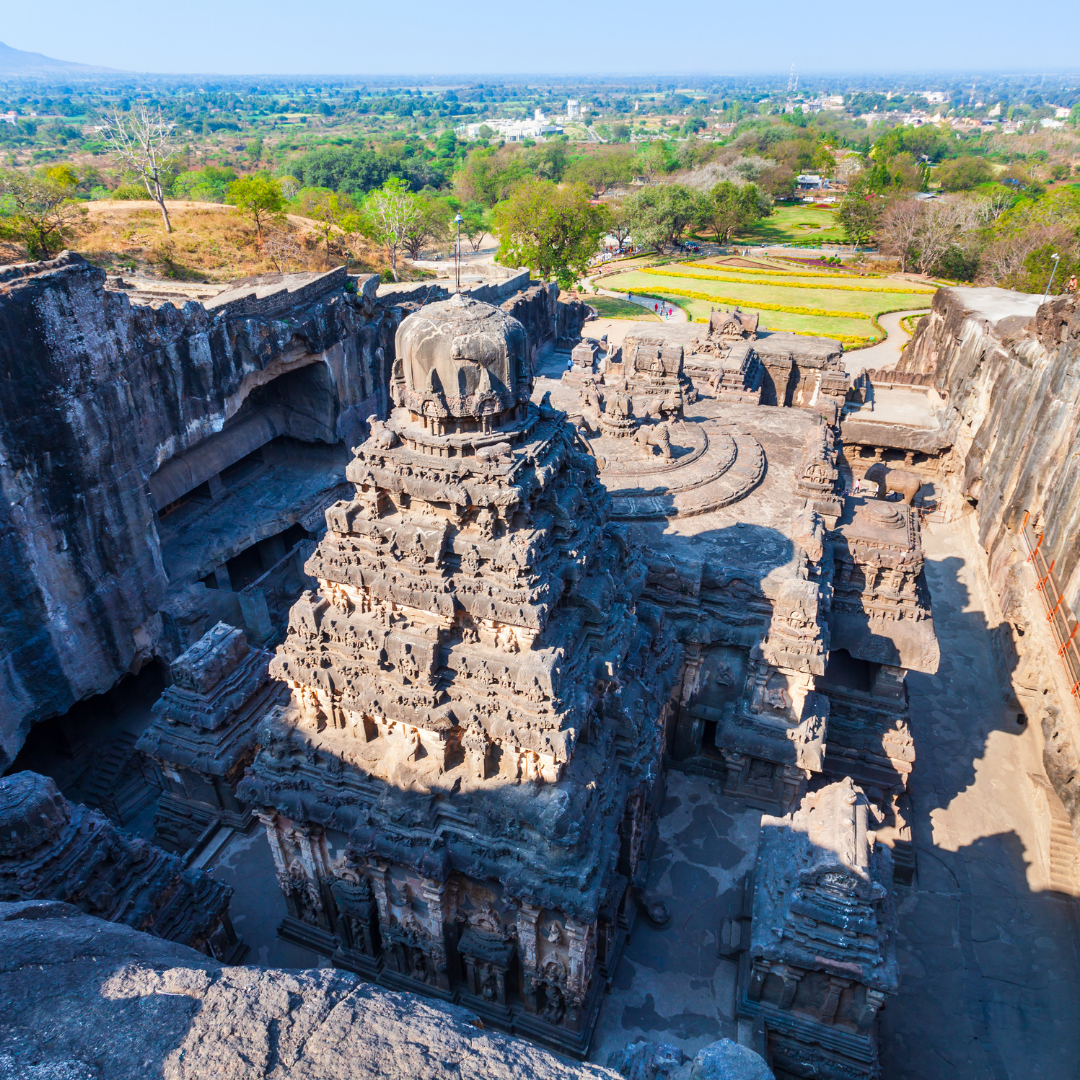
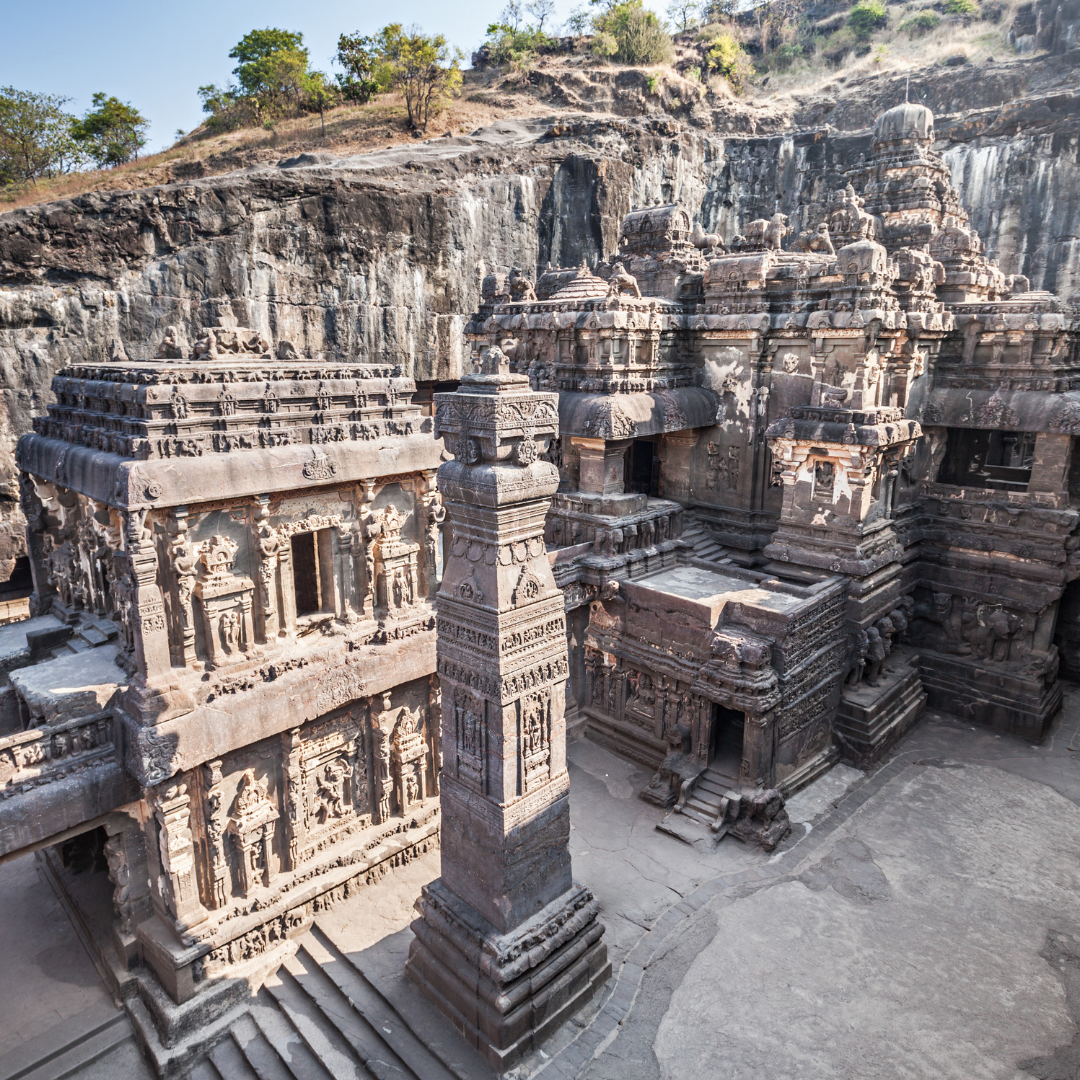
Ellora features 34 caves representing three religions: Buddhism, Hinduism, and Jainism.
What Makes Ellora Unique
- Demonstrates religious coexistence
- Home to the Kailasa Temple, carved from a single rock
- Larger and more architecturally complex than Ajanta
History
- Built between 6th and 10th century CE
- Sponsored by various dynasties including the Rashtrakutas
Main Attractions
- Cave 16: Kailasa Temple (highlight)
- Cave 10: Vishwakarma Cave
- Jain caves: Intricate carvings
Key Facts
Ellora Caves
- Located about 30 km from Chhatrapati Sambhajinagar (Aurangabad)
- Total caves: 34
- Known for: Rock-cut temples
- Famous structure: Kailasa Temple
- UNESCO Site: Since 1983
- Represents 3 religions
2. Bibi Ka Maqbara

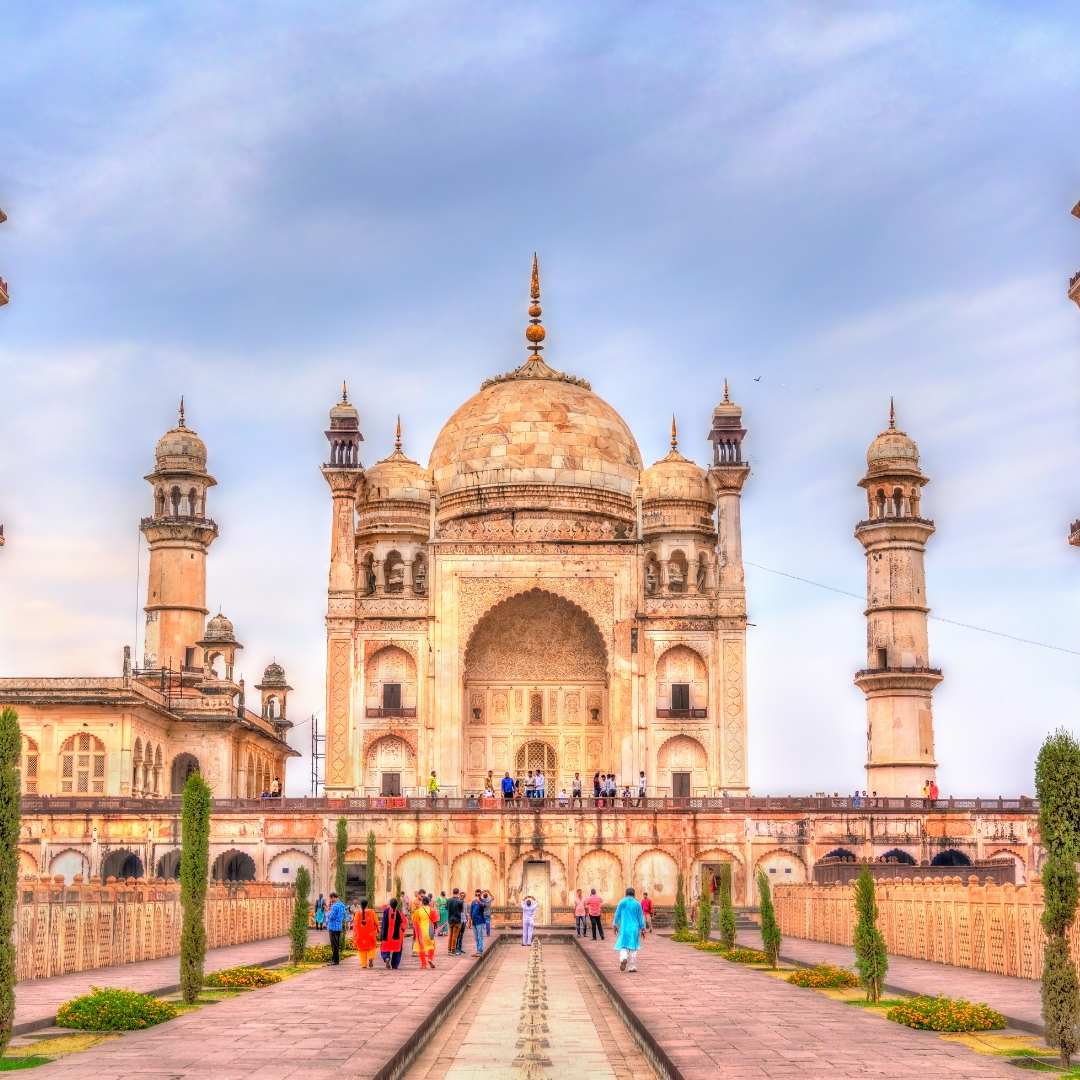
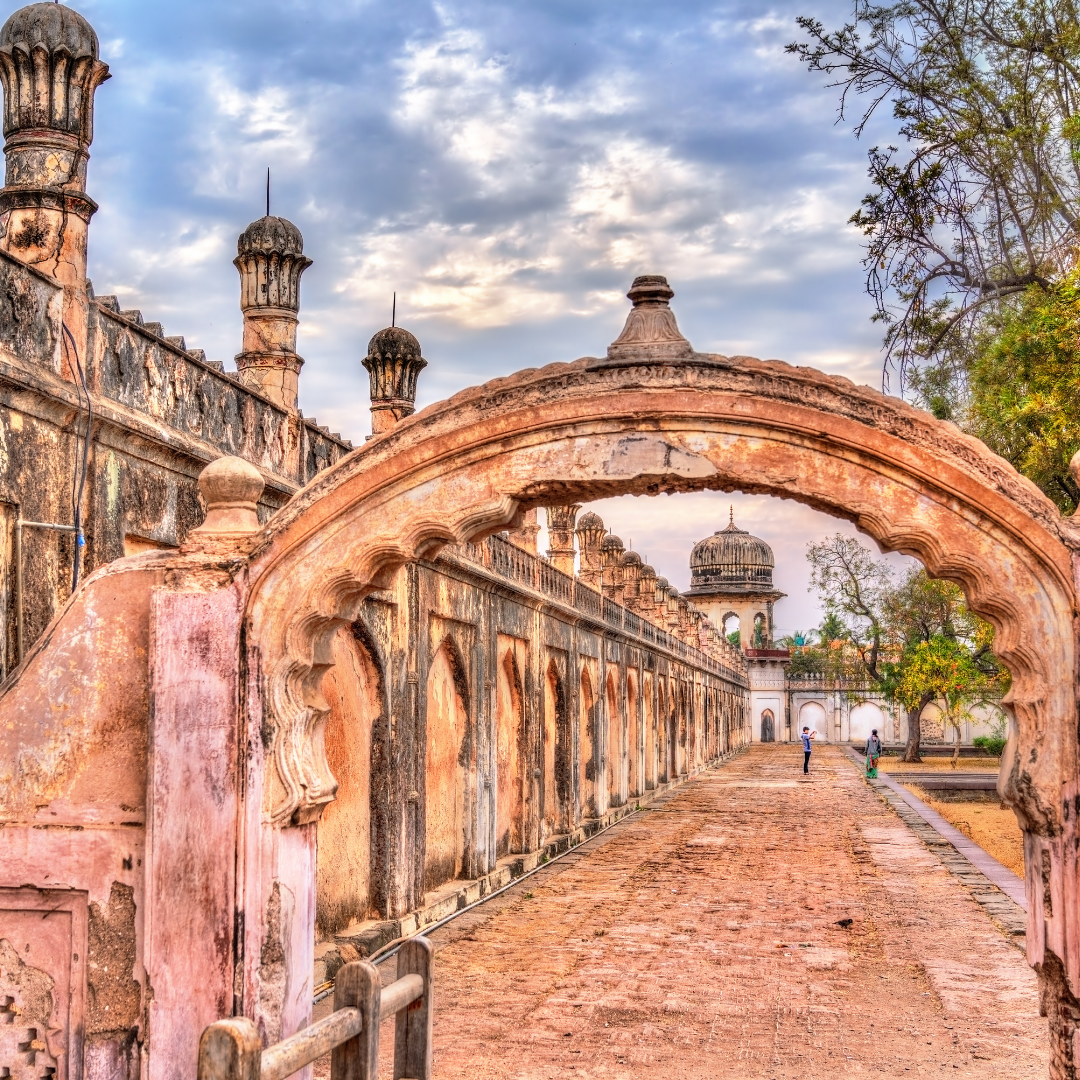
Bibi Ka Maqbara is one of the most iconic Mughal monuments in India, often called the “Taj of the Deccan.” Located in Aurangabad, this stunning mausoleum reflects love, architecture, and imperial history.
Bibi Ka Maqbara was built in the late 17th century by Prince Azam Shah, the son of Aurangzeb, in memory of his beloved mother Dilras Banu Begum (also known as Rabia-ud-Durrani).
Unlike the grand Taj Mahal built by Shah Jahan, this monument reflects a more restrained style due to Aurangzeb’s simpler lifestyle and limited budget.
Key Facts
- Location: Chhatrapati Sambhajinagar (Aurangabad), Maharashtra, India
- Built in: Around 1660–1668 AD
- Built by: Prince Azam Shah
- Dedicated to: Dilras Banu Begum
- Architectural style: Mughal architecture
- Material: Basalt, plaster, and some marble
- Layout: Charbagh (four-part garden design)
- Nickname: “Mini Taj Mahal”
- Entry: Open to tourists (ticketed monument)
- Best time to visit: Early morning or sunset
How to Reach Chhatrapati Sambhajinagar (Aurangabad)
1. By Air
- The city is served by Aurangabad Airport (also called Chhatrapati Sambhaji Nagar Airport).
- Direct flights connect from:
- Mumbai
- Delhi
- Hyderabad
Best option if you want to save time.
2. By Train
- Main station: Chhatrapati Sambhajinagar (Aurangabad) Railway Station
- Well connected to:
- Mumbai
- Pune
- Hyderabad
- Nagpur
Budget-friendly and convenient for most travelers.
3. By Road
- Excellent road connectivity via highways
- Regular MSRTC and private buses available
- Approx travel times:
- Mumbai → 6–7 hours
- Pune → 5–6 hours
- Hyderabad → 8–9 hours
Ideal for road trips and scenic drives.
Best Time to Visit Aurangabad
1. Winter (October to February)
- Temperature: 10°C – 25°C
- Pleasant weather for sightseeing
- Best for exploring caves and monuments
Highly recommended
2. Monsoon (June to September)
- Lush greenery and scenic beauty
- Occasional heavy rains
- Great for photography lovers
Good if you enjoy nature and fewer crowds
3. Summer (March to May)
- Temperature: up to 40°C
- Very hot and dry
- Not ideal for daytime sightseeing
Avoid if possible
Conclusion
Maharashtra is a complete travel destination offering urban excitement, natural beauty, and cultural richness. Whether you’re exploring Mumbai’s nightlife or relaxing in Mahabaleshwar’s hills, every journey here becomes unforgettable.