Introduction: Best Places to Visit in Warangal
Warangal, located in the state of Telangana, is a city where history, architecture, and culture blend seamlessly. Once the capital of the powerful Kakatiya Dynasty, Warangal is now a thriving urban center that still echoes its glorious past through ancient monuments and temples. Known for its intricate stone carvings and grand gateways, it attracts travelers, history enthusiasts, and spiritual seekers alike.
Key Facts
- Location: Situated in northeastern Telangana, about 150 km from Hyderabad
- Historical Significance: Former capital of the Kakatiya Dynasty (12th–14th century)
- Iconic Landmark: Warangal Fort known for its massive stone gateways (Kakatiya Kala Thoranam)
- Famous Temple: Thousand Pillar Temple showcasing remarkable Kakatiya architecture
- UNESCO Recognition: Ramappa Temple is a UNESCO World Heritage Site
- Religious Importance: Home to Bhadrakali Temple, one of the oldest temples dedicated to Goddess Kali
- Connectivity: Well connected by rail and road; part of the Kazipet railway junction network
- Education Hub: Hosts institutions like Kakatiya University
- Lakes & Nature: Includes scenic spots like Bhadrakali Lake
- Language: Telugu is the primary language spoken
- Cuisine: Known for traditional Telangana dishes like biryani, sarva pindi, and spicy curries
Top Places to Visit in Warangal for Every Traveler
1. Warangal Fort – The Symbol of Glory
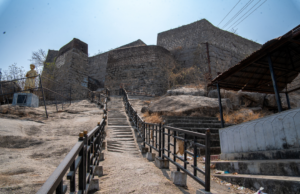
Located in the historic city of Warangal, the magnificent Warangal Fort stands as a powerful reminder of the architectural brilliance and cultural richness of the Kakatiya Dynasty. Built in the 13th century, this fort once served as the capital of the Kakatiya rulers and remains one of Telangana’s most iconic heritage landmarks.
The fort is known for its impressive stone gateways called Kakatiya Kala Thoranams, intricate carvings, and well-planned layout. Though much of the structure now lies in ruins, the surviving elements still reflect the grandeur and sophistication of medieval South Indian architecture.
Historical Overview
Warangal Fort was constructed during the reign of Ganapati Deva and later expanded by his successor Rudrama Devi. It was designed as a multi-layered defensive structure with concentric walls made of mud and stone.
In 1323, the fort fell to the forces of the Delhi Sultanate under Ulugh Khan, marking the decline of Kakatiya rule.
Architectural Highlights
- The fort originally had three circular defensive walls, showcasing advanced military planning.
- The iconic four grand stone gateways (Thoranams) face the cardinal directions.
- Built using granite stone, with intricate carvings of mythological creatures and floral motifs.
- Features remnants of temples, pillars, and sculptures reflecting Dravidian architectural style.
- The layout reveals a blend of religious, cultural, and military significance.
Key Facts
- Location: Warangal, Telangana, India
- Built by: Kakatiya Dynasty
- Construction Period: 13th century
- Prominent Rulers: Ganapati Deva, Rudrama Devi
- Famous Feature: Kakatiya Kala Thoranam (stone gateways)
- Historical Event: Captured by Delhi Sultanate in 1323
- Architecture Style: Dravidian with military fortification design
- Significance: Symbol of Telangana’s cultural heritage
- Current Status: Protected monument and popular tourist attraction
2. Thousand Pillar Temple – Architectural Marvel
The Thousand Pillar Temple, also known as the Rudreshwara Temple, is one of the most celebrated architectural gems of Telangana. Located in Hanamkonda (near Warangal), this temple is a brilliant example of the artistic and engineering excellence of the Kakatiya dynasty. Built in the 12th century, it continues to attract history enthusiasts, architecture lovers, and spiritual visitors alike.
What makes this temple truly stand out is its intricate stone craftsmanship, symmetrical layout, and the iconic thousand pillars—each carved with precision and uniqueness. Even today, it reflects a perfect blend of spirituality and architectural innovation.
Architectural Highlights
The temple is a masterpiece of Kakatiya architecture, known for:
- Finely carved pillars, each with unique patterns
- A star-shaped platform, enhancing structural beauty
- The famous monolithic Nandi statue, carved from a single black basalt stone
- Use of sandbox technology, an ancient earthquake-resistant technique
- Detailed sculptures depicting mythology, dancers, and everyday life
Key Facts
- Location: Hanamkonda, near Warangal
- Built in: 1163 CE
- Built by: Rudra Deva
- Also known as: Rudreshwara Temple
- Architecture style: Kakatiya architecture
- Deities worshipped: Shiva, Vishnu, Surya
- Special feature: 1000 intricately carved pillars (none block the view of the deity)
- Highlight: Giant monolithic Nandi statue
- Maintained by: Archaeological Survey of India
- Status: One of Telangana’s most iconic heritage sites
3. Ramappa Temple – UNESCO Heritage Site
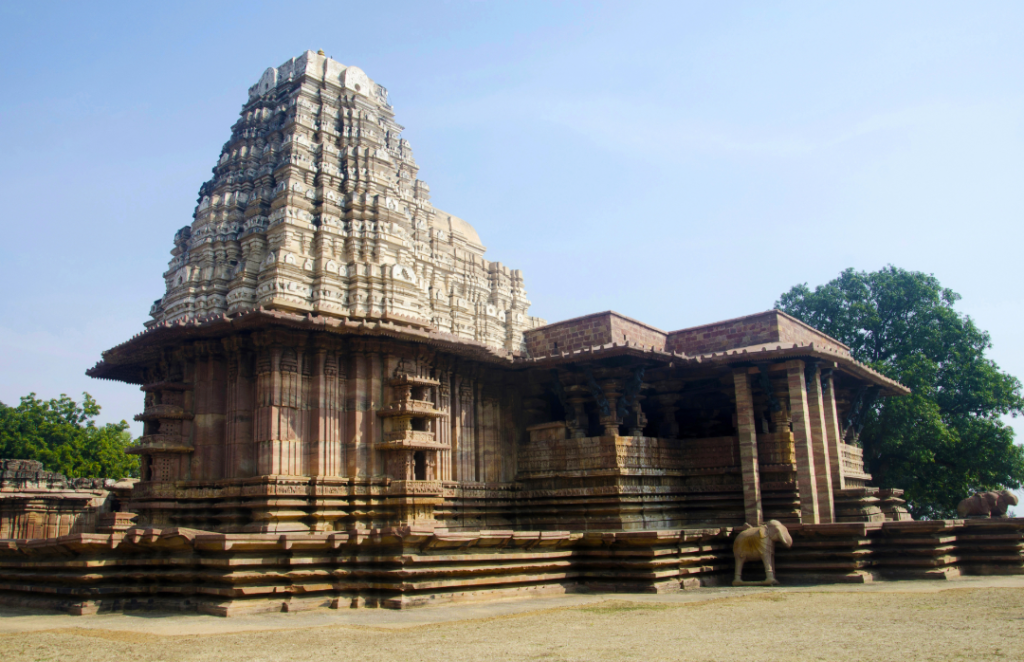
The Ramappa Temple—also known as the Rudreshwara Temple—is one of India’s most remarkable historical and architectural treasures. Located in the state of Telangana, this temple stands as a shining example of medieval craftsmanship and engineering brilliance.
Built in the 13th century during the reign of the Kakatiya Dynasty, the temple is unique because it is named after its chief sculptor, Ramappa, rather than the king—something quite rare in Indian temple history.
Why Ramappa Temple Stands Out
Unlike many ancient temples, the Ramappa Temple showcases advanced engineering techniques that were ahead of its time. The lightweight bricks used in the roof are so well-crafted that they can float on water—an innovation that helped the structure survive earthquakes over centuries.
The temple’s walls and pillars are adorned with exquisite carvings that bring to life scenes from mythology, dance, and daily life during the Kakatiya period. Each sculpture tells a story, making the temple not just a place of worship, but also a living museum of art and culture.
Key Facts
- Location: Palampet village, Mulugu district, Telangana, India
- Built In: 1213 CE
- Built By: General Recharla Rudra under King Ganapati Deva of the Kakatiya Dynasty
- Dedicated To: Lord Shiva (as Rudreshwara)
- UNESCO Status: Declared a World Heritage Site in 2021
- Unique Feature: Uses floating bricks that reduce the weight of the roof
- Architecture Style: Kakatiya style with intricate carvings and sculptures
- Famous For: Detailed carvings of dancers, musicians, and mythological scenes
- Setting: Surrounded by lush greenery and near Ramappa Lake
4. Laknavaram Lake — A Hidden Gem in Telangana
Nestled deep within the lush forests of the Govindaraopet region, Laknavaram Lake is one of the most picturesque freshwater lakes in southern India. Known for its tranquil setting, emerald islands, and a striking suspension bridge, the lake offers a refreshing escape from city life and has become a favorite destination for nature lovers, photographers, and weekend travelers.
Originally constructed during the reign of the Kakatiya dynasty, the lake served as an irrigation source and stands today as a blend of historical significance and natural beauty.
What Makes Laknavaram Lake Special?
One of the standout features of Laknavaram Lake is its chain of small islands—there are over a dozen scattered across its waters, giving it a unique, almost archipelago-like appearance. The iconic suspension bridge, stretching across a portion of the lake, connects visitors to one of these islands and offers breathtaking panoramic views.
Surrounded by dense forest cover and rolling hills, the area is part of a serene ecosystem that feels untouched and peaceful, making it ideal for eco-tourism and relaxation.
Key Facts
- Location: Near Warangal (approx. 80 km away)
- Region: Mulugu district
- Built by: Kakatiya dynasty
- Famous for: Suspension bridge and island clusters
- Number of islands: Around 13 small islands
- Activities: Boating, sightseeing, photography, nature walks
- Best time to visit: October to March (pleasant weather)
- Entry fee: Nominal fee (varies for adults/children)
- Accommodation: Haritha resort by Telangana Tourism Development Corporation
- Accessibility: Well-connected by road from Warangal and Hyderabad
5. Eturnagaram Wildlife Sanctuary – Into the Wild
Tucked away in the eastern part of Telangana, Eturnagaram Wildlife Sanctuary is one of the oldest protected forests in the region. Located along the banks of the majestic Godavari River, this sanctuary offers a blend of dense forests, rich biodiversity, and cultural heritage. It’s a lesser-known destination, making it perfect for travelers seeking raw, untouched wilderness rather than crowded tourist spots.
The sanctuary is not just about wildlife—it’s also home to indigenous tribal communities like the Koya tribe, whose traditions and festivals add a unique cultural dimension to the landscape. Seasonal streams, rocky terrains, and thick vegetation make it a fascinating ecosystem to explore.
What Makes It Special
Eturnagaram stands out for its dry deciduous forest ecosystem, which supports a variety of animals such as deer, wild boar, sloth bears, and even occasional big cats. The sanctuary becomes especially vibrant during and after the monsoon season when greenery is at its peak and water sources are replenished.
Birdwatchers and nature photographers will also find this place rewarding, thanks to its mix of forest and riverine habitats.
Key Facts
- Location: Mulugu district, Telangana, near the borders of Chhattisgarh
- Established: 1952 — one of the oldest wildlife sanctuaries in Telangana
- Area: Approximately 800 sq. km
- Forest Type: Tropical dry deciduous forest with bamboo clusters
- Wildlife: Deer, gaur (Indian bison), sloth bear, wild boar, leopards (rare sightings)
- Birdlife: Peacocks, hornbills, and various migratory species
- River: Flows along the sanctuary — the Godavari enhances biodiversity
- Tribal Presence: Inhabited by Koya and other tribal communities
- Cultural Highlight: Sammakka-Saralamma Jatara (a major tribal festival nearby)
- Best Time to Visit: October to March (pleasant weather and good wildlife visibility)
- Accessibility: Around 250 km from Hyderabad; reachable by road
6. Bhadrakali Temple
The Bhadrakali Temple is one of the oldest and most revered temples dedicated to Goddess Bhadrakali, a fierce form of Goddess Kali. Located in the historic city of Warangal, this temple holds immense religious, cultural, and historical importance.
Built during the reign of the Chalukya dynasty in the 7th century, the temple showcases a blend of spiritual devotion and ancient architectural brilliance. It sits peacefully between Bhadrakali Lake and lush hillocks, making it both a pilgrimage site and a scenic destination.
Key Facts
- Location: Warangal, Telangana, India
- Deity: Goddess Bhadrakali (a powerful incarnation of Goddess Kali)
- Historical Era: Built in the 7th century during the Chalukya period
- Architecture Style: Ancient South Indian temple architecture with stone carvings
- Main Idol: A massive stone idol of Bhadrakali with eight arms holding weapons
- Temple Setting: Situated between Bhadrakali Lake and rocky hills
- Spiritual Significance: Known for fulfilling devotees’ wishes and offering protection
- Major Festival: Navaratri, celebrated with grand rituals and decorations
- Unique Feature: The idol is one of the largest Bhadrakali idols in the region
- Tourism Appeal: Combines spirituality with scenic lake views and peaceful surroundings
Best Time to Visit Warangal
Warangal is known for its historic temples, forts, and serene lakes—but the experience changes quite a bit with the seasons. Here’s how to pick the right time:
1. October to February — Best Overall Time
Why it’s ideal:
- Pleasant weather (15°C–28°C)
- Comfortable for sightseeing and exploring heritage sites
- Great for visiting places like Warangal Fort and Thousand Pillar Temple
Perfect for:
- Photography
- Temple visits
- Relaxed travel without heat or humidity
This is the peak tourist season and the safest bet.
2. July to September — Green & Scenic (Monsoon)
What to expect:
- Moderate to heavy rainfall
- Lush greenery around lakes and temples
- Fewer crowds
Highlights:
- Ramappa Temple looks especially beautiful with surrounding greenery
Downside:
- Outdoor plans may get interrupted by rain
Good if you enjoy nature and don’t mind occasional showers.
3. March to June — Hot & Dry (Avoid if possible)
Conditions:
- Temperatures can reach 40°C+
- Harsh sun and dry weather
Not ideal for:
- Long outdoor visits
- Daytime sightseeing
Only visit during this period if necessary—and plan early morning or evening outings.
How to Reach Warangal
Warangal is a historic city in Telangana, well connected by road, rail, and nearby air routes. Here’s how you can reach it easily depending on where you’re coming from:
1. By Train (Most Convenient)
The main station is Warangal Railway Station, with nearby Kazipet Junction acting as a major hub. Direct trains connect from cities like:
- Hyderabad (≈2.5–3 hours)
- Vijayawada (≈3–4 hours)
- Chennai, Delhi, Mumbai
Frequent express and passenger trains make this the easiest option.
2. By Road
Warangal lies on NH163, offering smooth connectivity. Distance examples:
- From Hyderabad: ~150 km (3–4 hours)
You can travel via:
- TSRTC buses (frequent and affordable)
- Private buses or taxis
- Self-drive (good road conditions overall)
3. By Air (via Hyderabad)
Nearest airport: Rajiv Gandhi International Airport (~170 km away) From the airport, continue by:
- Taxi or cab (3–4 hours)
- Bus or train from Hyderabad city
Travel Tips
- Start early to cover major attractions
- Wear comfortable footwear (lots of walking!)
- Carry water and sunscreen
- Respect temple rules and heritage sites
Conclusion
Warangal is a perfect blend of history, spirituality, and nature. From ancient temples to scenic lakes, every corner tells a story of its glorious past. Whether you’re planning a weekend getaway or a cultural exploration, Warangal deserves a spot on your travel list.